A Comprehensive Guide to One of Medicine’s Most Powerful and Complicated Drugs
Few medications occupy as complex a position in modern medicine as prednisone. It is simultaneously one of the most effective anti-inflammatory drugs ever developed and one of the most burdensome for patients to tolerate over the long term. Physicians prescribe it for dozens of conditions. Patients take it with both relief and apprehension. And researchers continue to study its effects decades after it first entered clinical use.
Prednisone belongs to a class of drugs called corticosteroids, synthetic versions of cortisol, the hormone your adrenal glands produce naturally. When the body faces infection, injury, or disease, cortisol helps regulate the immune response, manage inflammation, and stabilize blood pressure. Prednisone mimics and amplifies these effects, making it extraordinarily useful for conditions where the immune system is overactive, tissues are severely inflamed, or hormone levels are deficient.
But that power comes at a cost. The same mechanisms that suppress runaway inflammation can disrupt blood sugar, weaken bones, alter mood, redistribute body fat, and suppress the immune system in ways that open the door to infection. Understanding exactly how prednisone works, when it is genuinely necessary, and how to manage its risks is not just useful information. It is essential knowledge for any patient who takes it and any clinician who prescribes it.
This article covers prednisone’s clinical strengths, its well-documented disadvantages, the populations who face the greatest risks, how doctors and patients can work together to minimize harm, and what current medical science says about emerging alternatives.

What Is Prednisone and How Does It Work?
Prednisone is a synthetic glucocorticoid, a type of corticosteroid, taken orally in tablet or liquid form. After ingestion, the liver converts it into its active form, prednisolone, which then binds to glucocorticoid receptors found in virtually every cell in the human body.
Once bound to these receptors, prednisolone moves into the cell nucleus and directly influences gene expression. It suppresses the production of inflammatory cytokines, prostaglandins, and other signaling molecules that drive immune responses and inflammation. It also stabilizes cell membranes, reduces vascular permeability, and diminishes the migration of white blood cells to sites of inflammation.
This broad mechanism of action is precisely what makes prednisone so useful. It does not target one pathway or one molecule. It reaches into the fundamental biological processes that govern inflammation and immunity and turns down the volume across the board. For a patient experiencing a severe asthma attack, an acute flare of rheumatoid arthritis, or a dangerous allergic reaction, that broad suppression can be lifesaving.
Prednisone is available online in tablet strengths ranging from 10 mg to 50 mg, and it is sometimes given in much higher intravenous doses in hospital settings, though IV formulations are more commonly delivered as methylprednisolone rather than prednisone itself.
The Clinical Strengths of Prednisone
Rapid and Powerful Anti-Inflammatory Action
Prednisone works quickly. In many acute inflammatory conditions, patients notice significant symptom relief within hours to a few days of starting treatment. For conditions like acute gout, severe contact dermatitis, or a flare of inflammatory bowel disease, this rapid response is not just a comfort. It can prevent hospitalization, limit tissue damage, and restore function.
In diseases like polymyalgia rheumatica, where older adults experience severe pain and stiffness in the shoulders, neck, and hips, prednisone often produces near-complete relief within days. This dramatic response is itself considered diagnostically meaningful. Clinicians sometimes use the speed and completeness of a patient’s response to low-dose prednisone as a diagnostic clue.
Broad Therapeutic Applications
Few drugs match prednisone’s range of indicated uses. It is prescribed across virtually every medical specialty. The following conditions represent only a partial list of its clinical applications.
In pulmonology, prednisone treats asthma exacerbations, chronic obstructive pulmonary disease flares, sarcoidosis, and interstitial lung diseases. In rheumatology, it manages rheumatoid arthritis, lupus, vasculitis, polymyositis, and dermatomyositis. Gastroenterologists use it for Crohn’s disease and ulcerative colitis. Neurologists prescribe it for multiple sclerosis relapses, Bell’s palsy, and certain neuropathies.
Dermatologists rely on it for severe eczema, pemphigus, and toxic epidermal necrolysis. Oncologists use it as part of chemotherapy regimens for lymphomas and leukemias. Transplant medicine depends on prednisone as a pillar of immunosuppression to prevent organ rejection.
This breadth reflects not a lack of specificity but the universal role that inflammation and immune dysregulation play across virtually every organ system.
Bridge Therapy and Flare Management
In chronic disease management, prednisone often serves as a bridge. When a disease-modifying drug such as methotrexate or a biologic agent needs weeks or months to reach therapeutic effectiveness, prednisone can control symptoms during that waiting period. It is not intended as a permanent solution in these cases, but as a strategic short-term intervention that allows patients to function while slower-acting treatments take hold.
Similarly, during flares of chronic autoimmune conditions, short courses of prednisone can rapidly bring inflammation under control without requiring permanent changes to a patient’s maintenance therapy.
Cost and Accessibility
Prednisone is a generic medication and is among the least expensive drugs in the formulary of any healthcare system. A full course of treatment typically costs only a few dollars in the United States, even without insurance. In lower-income countries and underfunded healthcare settings, this affordability makes prednisone one of the most accessible anti-inflammatory drugs available. For many patients, it remains the only practical option.
The Disadvantages and Risks of Prednisone
Short-Term Side Effects
Even brief courses of prednisone lasting five to fourteen days can produce noticeable side effects. Many patients report difficulty sleeping, mood changes including irritability, anxiety, or a sense of heightened energy, increased appetite, fluid retention, and elevated blood pressure. Blood sugar levels often rise, which is particularly relevant for patients who already have diabetes or prediabetes.
These short-term effects are generally reversible once the medication is stopped, but they can significantly impair quality of life during the treatment period and require monitoring in vulnerable populations.
The Long-Term Consequences of Chronic Use
The most serious concerns with prednisone arise from prolonged use, generally defined as taking the drug at doses above 5 to 7.5 mg daily for more than three months. At this level and duration, the risks accumulate and affect multiple organ systems simultaneously.
Osteoporosis and fracture risk represent one of the most clinically significant long-term consequences. Prednisone interferes with calcium absorption, reduces bone formation, and accelerates bone resorption. Vertebral fractures, in particular, can occur even before bone density measurements fall into the osteoporotic range by standard definitions. The American College of Rheumatology recommends calcium and vitamin D supplementation for virtually all patients on chronic glucocorticoids, and bisphosphonate therapy for those at higher fracture risk.
Adrenal insufficiency is another serious complication of long-term use. When the body is exposed to external corticosteroids over time, the adrenal glands receive a signal to stop producing cortisol on their own. If prednisone is then stopped abruptly, the adrenal glands may not be able to resume production quickly enough, leading to a potentially life-threatening adrenal crisis. This is why clinicians taper prednisone doses gradually rather than stopping suddenly, especially after prolonged courses.
Glucose intolerance and steroid-induced diabetes mellitus can develop in patients with no prior history of blood sugar problems. Prednisone increases glucose production in the liver and reduces insulin sensitivity in muscle and fat tissue. For patients who already have diabetes, managing blood sugar during prednisone treatment can be genuinely difficult and may require significant adjustments to generic nolvadex or oral medication doses.
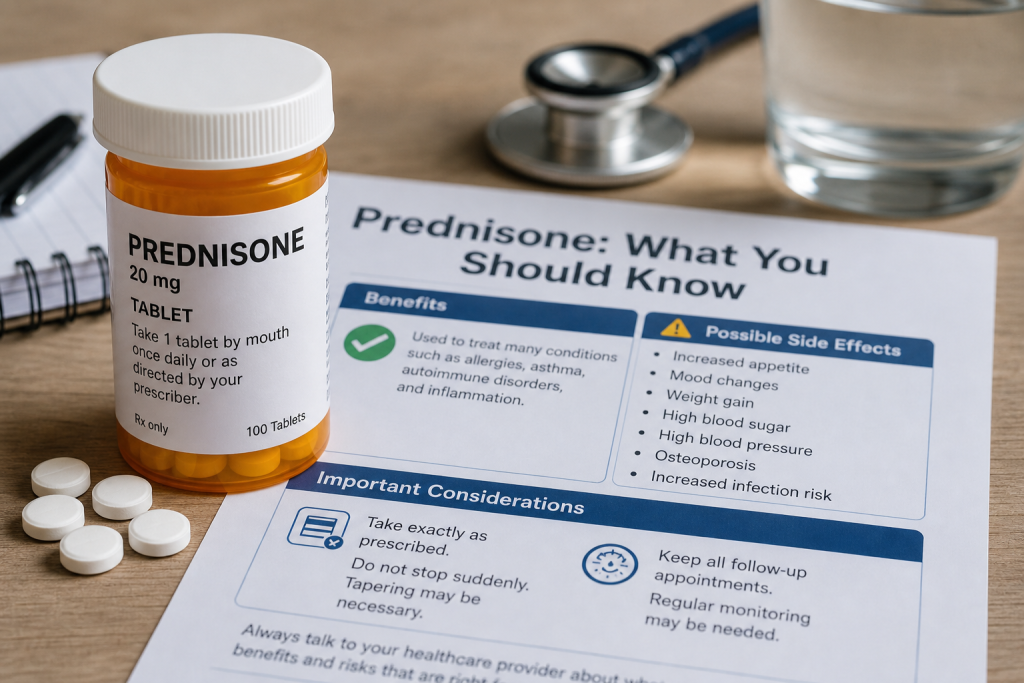
Cardiovascular risks associated with chronic prednisone use include hypertension, fluid retention, dyslipidemia, and an increased risk of cardiovascular events over time. Patients on long-term therapy require regular blood pressure monitoring and cardiovascular risk assessment.
Immunosuppression, while therapeutically valuable, increases vulnerability to infections. Patients on chronic prednisone are at elevated risk for bacterial infections, reactivation of latent tuberculosis, fungal infections including Pneumocystis jirovecii pneumonia, and viral reactivations such as herpes zoster. Physicians must weigh this risk carefully, particularly when managing conditions in which infection itself could be dangerous.
Ocular complications, specifically posterior subcapsular cataracts and elevated intraocular pressure that can progress to glaucoma, develop with chronic steroid use. Patients on long-term therapy should undergo regular ophthalmologic evaluations.
Psychiatric and cognitive effects are more variable but can be significant. Steroid-induced psychiatric symptoms range from mild mood disturbances and insomnia to frank psychosis in susceptible individuals. These effects are more common at higher doses but can occur even at moderate dosing in vulnerable patients.
Weight gain and changes in body composition, including the characteristic redistribution of fat to the abdomen, face, and upper back, collectively described as Cushingoid features, are among the most distressing effects for patients psychologically. These changes can significantly affect body image, social function, and medication adherence.
Muscle weakness, technically termed steroid myopathy, particularly affects the proximal muscles of the thighs and shoulders. Patients may notice difficulty rising from a chair, climbing stairs, or lifting their arms. This effect is more common with higher doses and longer duration.
Skin changes including thinning, easy bruising, and impaired wound healing reflect the drug’s inhibitory effects on collagen synthesis. These effects can make even minor skin injuries problematic, particularly in older patients.
The Risks of Stopping Too Soon or Too Abruptly
Patients who feel better often want to stop prednisone as quickly as possible, which is understandable given the side effect burden. However, stopping prematurely can allow the underlying disease to flare again, sometimes more severely than before. Stopping too abruptly in a patient who has been on the drug for an extended period risks adrenal insufficiency. Tapering schedules must be individualized based on dose, duration of therapy, and the nature of the underlying condition.
Populations at Greatest Risk
Older Adults
Older adults face compounded risks from prednisone. Bone density is often already reduced with age, making steroid-induced osteoporosis more dangerous. Infection risk is higher due to age-related immune changes. Blood sugar dysregulation is more likely. And the risk of falls associated with muscle weakness or dizziness adds an additional layer of concern.
Patients With Diabetes
For patients managing type 1 or type 2 diabetes, prednisone can cause dramatic and unpredictable swings in blood glucose levels. Close collaboration between the prescribing physician and the patient’s diabetes care team is essential during any course of steroid therapy.
Children and Adolescents
In pediatric patients, chronic prednisone use raises concerns about growth suppression. Glucocorticoids interfere with growth hormone activity and can slow longitudinal bone growth when used continuously during childhood. Pediatric specialists work to minimize cumulative steroid exposure through alternate-day dosing strategies, steroid-sparing agents, and careful monitoring of growth trajectories.
Pregnant Women
The evidence on prednisone use in pregnancy is nuanced. Low-dose prednisone is generally considered relatively safe during pregnancy when the benefit to the mother outweighs the risk, and it is commonly used in autoimmune conditions that can themselves pose risks to both mother and fetus. However, exposure to higher doses, particularly during the first trimester, warrants careful risk-benefit discussion.
Strategies for Minimizing Risk While Maximizing Benefit
Use the Lowest Effective Dose for the Shortest Necessary Time
This principle sounds simple but requires clinical discipline. The temptation to use higher doses because they work faster and more completely must be balanced against the cumulative harm of excess steroid exposure. Every milligram and every day of treatment matters when calculating long-term risk.
Implement Protective Measures From Day One
Patients beginning prednisone should immediately receive guidance on calcium and vitamin D intake, lifestyle measures to protect bone health, blood sugar monitoring if indicated, blood pressure monitoring, and infection prevention including appropriate vaccinations. Live vaccines should generally not be given to patients on immunosuppressive doses of prednisone.
Monitor Regularly and Systematically
Routine monitoring for patients on chronic prednisone should include periodic bone density scans, fasting blood glucose or HbA1c measurements, blood pressure checks, lipid panels, ophthalmologic evaluations, and assessment of adrenal function when clinically indicated.
Pursue Steroid-Sparing Strategies
In chronic conditions that require ongoing anti-inflammatory treatment, clinicians should actively seek steroid-sparing alternatives. Disease-modifying antirheumatic drugs, biologic therapies, targeted synthetic agents, and other immunomodulators can often reduce or eliminate the need for ongoing prednisone in many autoimmune and inflammatory conditions. These alternatives carry their own risk profiles but may offer better long-term safety in selected patients.
Educate Patients Thoroughly
Patients who understand why they are taking prednisone, what to expect, and what warning signs to watch for are better equipped to adhere to tapering schedules, report concerning symptoms early, and make informed decisions in partnership with their healthcare team. Patient education is not optional in prednisone management. It is a clinical necessity.
Emerging Alternatives and Future Directions
Research into more targeted glucocorticoid delivery continues to advance. Selective glucocorticoid receptor modulators, drugs designed to preserve the anti-inflammatory benefits of glucocorticoids while reducing their metabolic and hormonal side effects, are an active area of pharmaceutical development. Budesonide, which undergoes extensive first-pass liver metabolism and therefore has lower systemic exposure than prednisone, is already used in specific conditions as a lower-risk alternative.
Biologics targeting specific cytokines, such as interleukin-6, interleukin-17, interleukin-23, and tumor necrosis factor, have dramatically reduced prednisone dependence in diseases including rheumatoid arthritis, psoriasis, and inflammatory bowel disease over the past two decades. As these therapies become more widely accessible, the role of prednisone in chronic disease management is gradually narrowing toward acute and bridging use.
Conclusion
Prednisone remains an indispensable drug in the modern medical toolkit. Its speed, breadth of action, and affordability make it irreplaceable in acute crisis management and in the treatment of numerous serious inflammatory and autoimmune conditions. But it demands respect, careful dosing, systematic monitoring, and honest conversation between clinician and patient about its substantial risks.
The question is never simply whether to prescribe prednisone. It is always a question of dose, duration, concurrent protective strategies, and the active pursuit of alternatives that reduce the cumulative steroid burden over time. Patients who are well-informed and engaged in that decision-making process are more likely to benefit from its strengths while successfully navigating its disadvantages.
If you are currently taking prednisone, speak with your doctor about your specific risk factors, what monitoring is in place for you, and whether a plan exists to eventually reduce or eliminate your dose. That conversation is not just appropriate. It is essential.
Frequently Asked Questions
What does prednisone treat most commonly?
Prednisone is most commonly prescribed for inflammatory and autoimmune conditions including asthma exacerbations, rheumatoid arthritis flares, allergic reactions, inflammatory bowel disease, lupus, and polymyalgia rheumatica. It is also used in transplant medicine to prevent organ rejection and in certain cancer treatment regimens.
How quickly does prednisone start working?
Many patients notice symptom improvement within one to four days of beginning prednisone. In some acute conditions such as allergic reactions or severe asthma, partial relief can begin within hours. The speed of response depends on the condition being treated, the dose used, and individual patient factors.
Why do doctors taper prednisone instead of stopping it suddenly?
Prolonged prednisone use suppresses the adrenal glands’ natural cortisol production. If the medication is stopped abruptly, the body may not produce enough cortisol on its own, leading to adrenal insufficiency, which can cause symptoms including extreme fatigue, low blood pressure, nausea, and in severe cases, life-threatening adrenal crisis. Gradual tapering allows the adrenal glands to resume normal function.
Can prednisone cause permanent damage?
Some of prednisone’s effects, such as cataracts, vertebral fractures, or avascular necrosis of the hip, can produce lasting structural changes that do not reverse when the drug is stopped. However, many side effects, including weight gain, mood changes, and blood sugar elevation, typically resolve after the medication is discontinued or the dose is reduced. The likelihood of permanent effects increases with higher doses and longer treatment duration.
Is it safe to take prednisone while pregnant?
Low-dose prednisone is generally considered relatively safe in pregnancy when necessary for the mother’s health, and it is routinely used in autoimmune conditions during pregnancy. However, higher doses and prolonged use warrant careful monitoring. The decision must always weigh the risks of the untreated condition against the risks of the medication for both mother and fetus, and should be made in consultation with an obstetrician and the relevant specialist.
What should I eat while taking prednisone?
Patients on prednisone are generally advised to follow a diet low in sodium to counteract fluid retention and blood pressure elevation, moderate in simple sugars and refined carbohydrates to help manage blood sugar increases, and adequate in calcium and vitamin D to support bone health. Limiting alcohol is also recommended, as alcohol can compound prednisone’s effects on bone density and the gastrointestinal tract.
Does prednisone affect the immune system?
Yes. Prednisone suppresses immune function as part of its mechanism of action. This is therapeutically beneficial in autoimmune and inflammatory conditions but increases the risk of infections, including bacterial infections, fungal infections, and reactivation of dormant infections such as tuberculosis or herpes zoster. Patients on prednisone should report any signs of infection promptly to their healthcare provider.
This article is intended for educational and informational purposes only. It does not constitute medical advice and should not replace consultation with a qualified healthcare provider. Always discuss your specific medical situation, medications, and treatment options with your physician or another licensed healthcare professional.
Pingback: Inflammation and Ovulation Therapy: What Patients Need to Know - Japanese Acupuncture