Understanding Muscle Spasms and Relaxation Therapy in 2026
Throughout my 16 years as a clinical acupuncturist and integrative musculoskeletal specialist at Sanki Health in Florida, I’ve evaluated and treated thousands of patients experiencing acute and chronic muscle spasms. These involuntary muscle contractions ranging from mild twitching to severe, debilitating spasms significantly impair functional mobility, restrict daily activities, and diminish quality of life.
The landscape of muscle relaxation therapy has evolved dramatically by 2026. Contemporary treatment combines pharmacological agents, evidence based physical rehabilitation, Japanese acupuncture techniques, manual therapy, and lifestyle modifications to address underlying neuromuscular dysfunction. My clinical experience at Sanki Health consistently demonstrates that successful spasm management requires understanding muscle physiology, identifying contributing factors, and implementing individualized multimodal approaches emphasizing both immediate symptom relief and long term functional restoration.
Muscle Physiology and the Spasm Pain Cycle
Skeletal muscle contraction occurs through complex neuromuscular mechanisms. Motor neurons release acetylcholine at the neuromuscular junction, triggering calcium release within muscle fibers and producing contraction. Proper muscle relaxation requires neuromuscular coordination, adequate blood flow, appropriate calcium reuptake, and nervous system regulation.
The neuromuscular junction communicates motor commands through acetylcholine neurotransmitter binding to muscle cell receptors. Building on the updated pain management protocols we discussed in our previous post, addressing specific muscle spasms and effective relaxation techniques plays a critical role in comprehensive, individualized patient care.
Muscle spasms result from abnormal motor neuron firing producing involuntary contractions. Contributing mechanisms include:
- Spinal cord hyperexcitability: Increased motor neuron excitability from spinal cord injury, multiple sclerosis, or central nervous system dysfunction
- Peripheral nociception: Pain signals from injured tissues triggering protective muscle guarding
- Myofascial trigger points: Localized muscle tension areas perpetuating regional spasm patterns
- Postural dysfunction: Chronic abnormal positioning creating compensatory muscle tension
- Stress and psychological tension: Sympathetic nervous system activation increasing muscle tone
Acute muscle injury triggers protective spasms limiting motion and preventing further trauma. However, prolonged spasm creates secondary pain, restricted movement, reduced circulation, and muscle ischemia perpetuating the spasm pain cycle. Breaking this cycle requires addressing both acute symptoms and underlying contributors.
Clinical Classification of Muscle Spasms
Sudden onset spasms following trauma, strain, or whiplash injuries typically resolve within days to weeks with appropriate treatment. These spasms represent protective mechanisms limiting additional tissue damage.
Spasms persisting >12 weeks indicate underlying neuromuscular or structural pathology requiring comprehensive evaluation. Neurological conditions, chronic pain syndromes, and postural dysfunction commonly perpetuate chronic spasm patterns
Increased muscle tone with hyperreflexia occurring after upper motor neuron lesions (spinal cord injury, stroke, cerebral palsy, multiple sclerosis) differs from typical muscle spasms. Spasticity management requires specialized antispasticity agents and rehabilitation
Pharmacological Treatment of Muscle Spasms in 2026
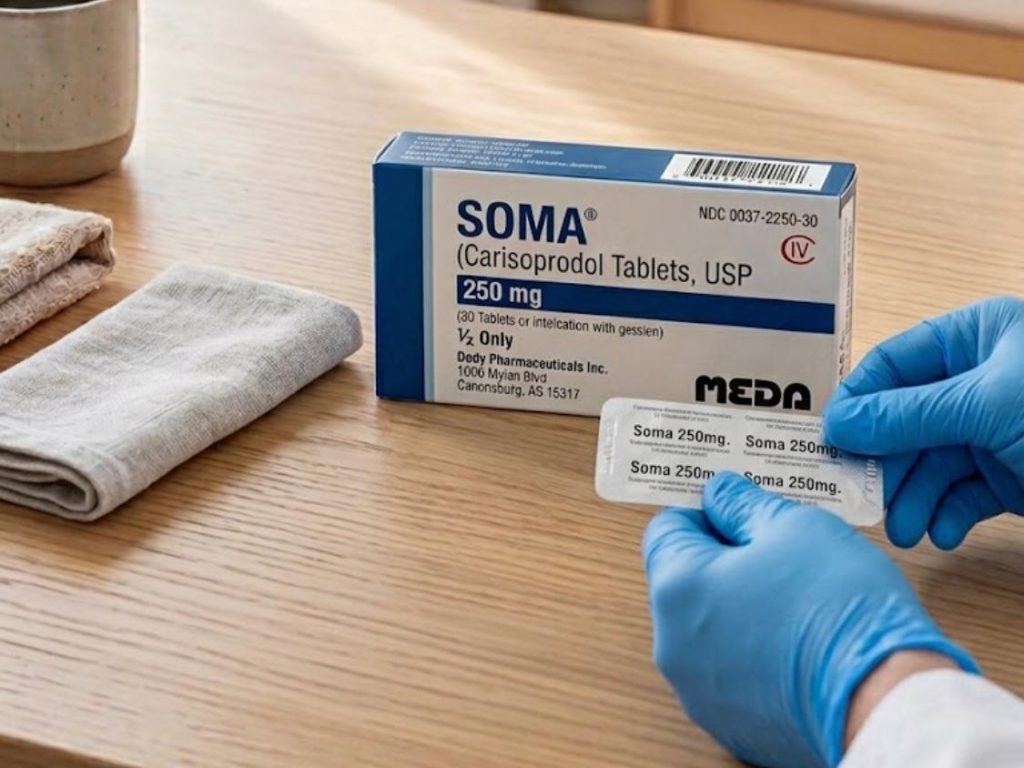
Central-acting muscle relaxants produce relaxation by depressing motor neuron activity within the central nervous system rather than acting directly on muscle tissue. These agents work through multiple mechanisms including GABA enhancement, monoamine modulation, and spinal cord inhibition.
Carisoprodol represents one of the most extensively prescribed muscle relaxants for acute musculoskeletal spasms. This agent rapidly crosses the blood brain barrier, achieving peak plasma concentrations within 30-60 minutes. Carisoprodol undergoes hepatic metabolism to meprobamate, an intermediate metabolite contributing to therapeutic effects. The short half life (8 hours) necessitates three times daily dosing for therapeutic effect.
At Sanki Health, I prescribe carisoprodol selectively for acute muscle spasm conditions where rapid symptom relief facilitates participation in rehabilitation. Standard dosing initiates at 250-350 mg three times daily plus at bedtime, with maximum duration typically not exceeding two weeks. Efficacy approaches 60-70% in acute musculoskeletal spasm, though response variability among patients requires individualized dose optimization.
Carisoprodol produces sedation, dizziness, and impaired coordination through central nervous system depression. These effects, while therapeutically beneficial for acute spasm management, necessitate caution regarding driving and operating machinery. Patients typically experience tolerance development within 2-3 weeks, limiting long term utility.
Accessing Muscle Relaxant Medications Safely in Florida (2026)
For Florida residents seeking muscle relaxant therapy, obtaining prescription medications requires proper medical evaluation and legitimate pharmacy access. I strongly emphasize safe purchasing practices when patients require these medications.
When you buy generic Soma online, order carisoprodol, or purchase generic muscle relaxants through legitimate channels, ensure proper physician evaluation and verified pharmacy access. Many Florida based telehealth clinics now provide musculoskeletal evaluations, muscle relaxant prescriptions, and ongoing management through encrypted, HIPAA-compliant platforms.
If you’re looking to buy prescription muscle relaxants, legitimate pharmacies require valid prescriptions, employ licensed pharmacists, and maintain proper storage and delivery protocols. Ordering carisoprodol, getting generic muscle relaxants, or purchasing other centrally acting agents from unverified internet sources carries serious risks: counterfeit products, incorrect dosing, contaminated preparations, and complete absence of medical oversight.
When you buy Soma or other muscle relaxants, prioritize Florida licensed pharmacies verified by the National Association of Boards of Pharmacy (NABP). Legitimate online pharmacy partners and products.
- Require valid prescriptions from licensed physicians
- Employ licensed pharmacists for medication consultation
- Maintain secure, encrypted transaction protocols
- Provide proper medication storage and delivery
- Document patient records for safety monitoring
My recommendations for safe muscle relaxant access in Florida:
- Obtain comprehensive musculoskeletal evaluation from qualified practitioners
- Receive prescriptions from licensed Florida healthcare providers
- Fill prescriptions through state licensed pharmacies or NABP-certified online partners
- Discuss medication duration limits carisoprodol and other muscle relaxants typically prescribed short-term (2-3 weeks maximum)
- Request pharmacist consultation regarding interactions with other medications
- Maintain regular follow-up regarding treatment efficacy and tolerance development
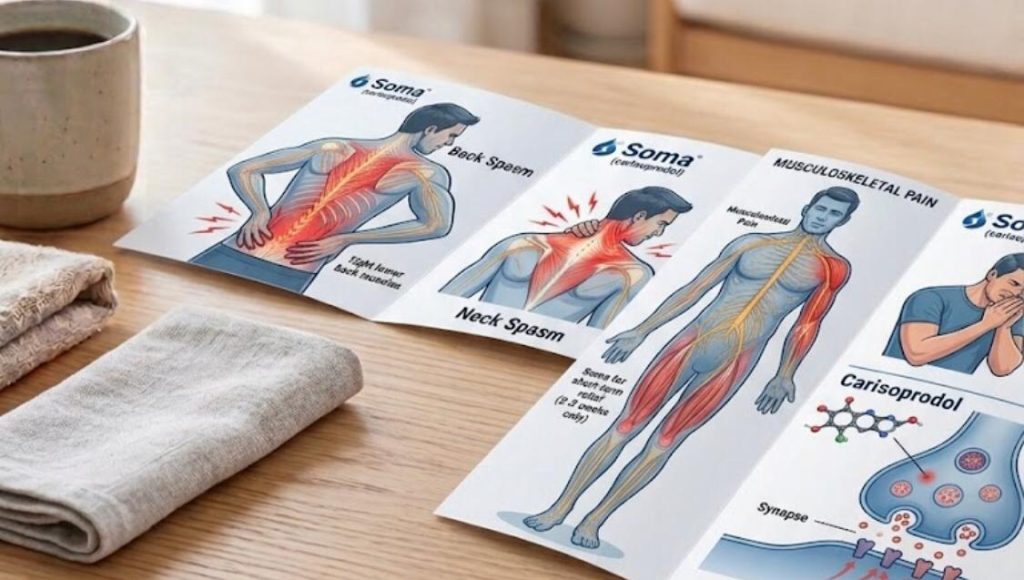
Japanese Acupuncture and Meridian Therapy
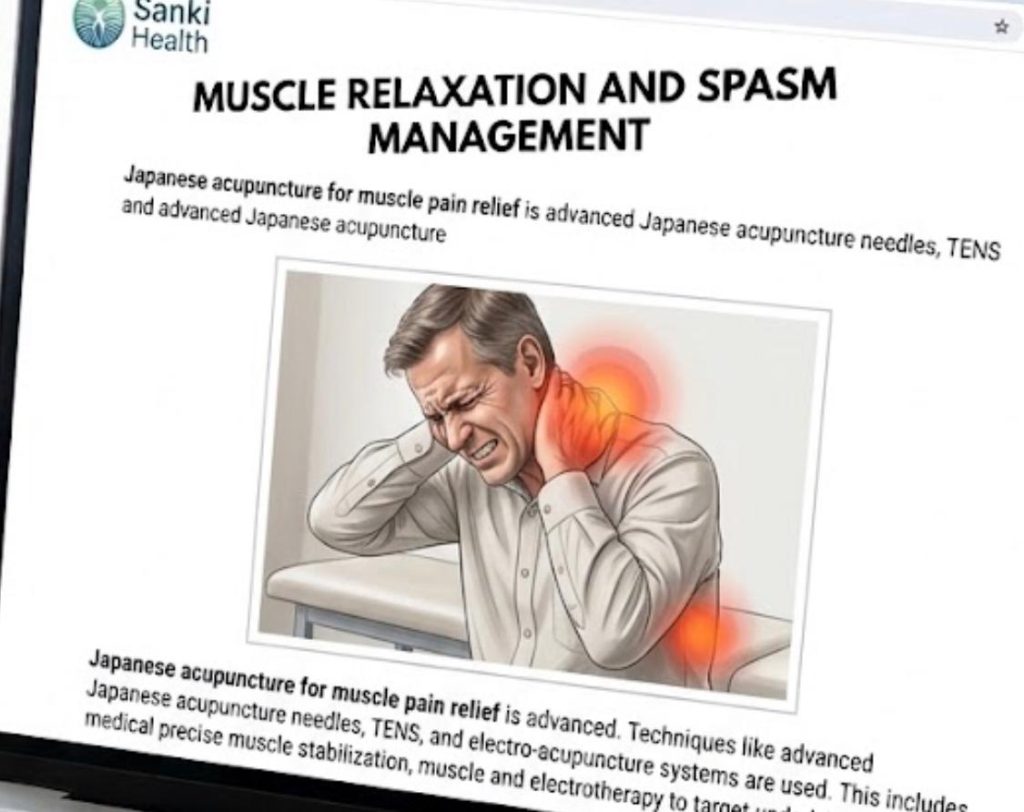
At Sanki Health, Japanese acupuncture represents a cornerstone therapy for muscle spasm management. This traditional approach, refined through centuries of clinical observation and contemporary anatomical knowledge, addresses musculoskeletal dysfunction through systematic meridian regulation and myofascial release.
Japanese acupuncture operates through multiple physiological pathways:
- Gate control theory: Acupuncture stimulation activates proprioceptive afferents, suppressing pain signal transmission in the spinal cord
- Endogenous opioid release: Needle insertion stimulates endorphin and enkephalin release, naturally suppressing pain and facilitating relaxation
- Autonomic nervous system modulation: Acupuncture shifts balance from sympathetic to parasympathetic dominance, reducing muscle tension
- Myofascial trigger point release: Precise needle placement into trigger points disrupts aberrant muscle contraction patterns
- Microcirculatory enhancement: Acupuncture improves local blood flow, oxygen delivery, and metabolic waste removal
Shiatsu Japanese finger pressure therapy complements acupuncture through systematic pressure application along meridian pathways. This technique directly releases myofascial tension while enhancing circulation and promoting parasympathetic activation. I frequently combine acupuncture and shiatsu sessions for optimal spasm resolution.
Moxibustion burning mugwort herb (artemisia vulgaris) over specific acupuncture points provides warming, stimulating effects beneficial for chronic, cold type spasticity. This technique enhances local circulation and deep tissue penetration beyond acupuncture alone.
Physical Rehabilitation and Movement Therapy
Effective spasm management requires graduated movement therapy. Early phases emphasize gentle, active assisted range of motion exercises within pain free ranges. Progressive phases advance toward strengthening, endurance training, and functional task training.
Prolonged static stretching (30-60 seconds per muscle group, 2-3 repetitions) reduces muscle tone and improves extensibility. I teach patients sustained stretching techniques for home based flexibility maintenance.
Many muscle spasms perpetuate through habitual postural dysfunction. I provide detailed postural analysis, ergonomic modifications, and positional awareness training to prevent spasm recurrence
PNF techniques employing rhythmic stabilization, contract relax, and hold relax patterns enhance neuromuscular coordination while simultaneously relaxing hyperactive muscles. These specialized techniques prove particularly effective for complex spasm patterns.
Treatment Comparison Table: Muscle Relaxant and Integrative Options
| Treatment Modality | Onset Time | Duration | Efficacy Rate | Ideal Use | Safety Profile |
|---|---|---|---|---|---|
| Carisoprodol (Soma) | 30-60 min | 4-6 hours | 60-70% | Acute spasm, short-term | Sedation, tolerance risk |
| Cyclobenzaprine | 1-2 hours | 12-24 hours | 65-75% | Acute/chronic spasm | Anticholinergic effects |
| Baclofen | 30-60 min | 4-8 hours | 70-80% (spasticity) | Spasticity, neurogenic | Narrow therapeutic window |
| Japanese Acupuncture | 24-48 hours | Progressive | 75-85% | Acute/chronic spasm | Minimal side effects |
| Shiatsu Massage | Immediate | 2-6 hours | 70-80% | Acute/chronic pain | No contraindications |
| Physical Therapy | 1-2 weeks | Progressive | 80-90% | All spasm types | Time-intensive |
| Moxibustion | 24-48 hours | Progressive | 70% (chronic) | Chronic cold spasm | Contraindicated with heat sensitivity |
Magnesium Supplementation
Magnesium modulates muscle contraction through calcium dependent mechanisms and NMDA receptor antagonism. Deficiency contributes to muscle hyperexcitability and spasm perpetuation. I recommend 400-500 mg daily magnesium glycinate or threonate for patients with documented deficiency.
- Leafy greens (spinach, kale)
- Nuts and seeds (almonds, pumpkin seeds)
- Whole grains and legumes
- Fatty fish
- Dark chocolate
Dehydration impairs muscle function and increases spasm susceptibility. I counsel patients to maintain consistent hydration, particularly during physical activity. Electrolyte balance (sodium, potassium, calcium) supports optimal muscle physiology
Sleep deprivation elevates pain sensitivity and reduces muscle relaxation capacity. Consistent sleep-wake schedules, dark sleep environments, and adequate sleep duration (7-9 hours) support muscle recovery and spasm prevention.
Stress Management and Parasympathetic Activation
Chronic psychological stress perpetuates muscle tension through sympathetic nervous system dominance. I recommend:
- Meditation and mindfulness (10-15 minutes daily)
- Progressive muscle relaxation
- Deep diaphragmatic breathing
- Adequate social connection and meaningful activity
Heat application increases circulation, improves tissue extensibility, and reduces muscle guarding. Cold application decreases inflammation and provides analgesic effects. Strategic application timing heat for chronic tension, cold for acute inflammation optimizes outcomes.
Safety Considerations and Medication Interactions
All centrally acting muscle relaxants produce sedation and impaired cognitive function. Patients should avoid driving and operating machinery during initial therapy or dose adjustments .Carisoprodol metabolizes through hepatic pathways; patients with compromised liver function require dose reduction. Periodic liver function monitoring is prudent during long term therapy. Carisoprodol carries abuse potential due to meprobamate metabolite effects. Extended use risks psychological and physical dependence. Short term prescription protocols (≤2-3 weeks) minimize these risks. Muscle relaxants enhance CNS depression when combined with opioids, benzodiazepines, or alcohol a dangerous combination increasing overdose risk. I counsel patients regarding interaction avoidance.
Personal Clinical Experience at Sanki Health
Throughout my 16 years at Sanki Health in Florida, I’ve evaluated hundreds of patients with acute and chronic muscle spasms. Early in my practice, pharmacotherapy dominated spasm management. I’ve increasingly recognized that integrative approaches combining judicious medication use with Japanese acupuncture, manual therapy, and physical rehabilitation achieve superior long term outcomes.
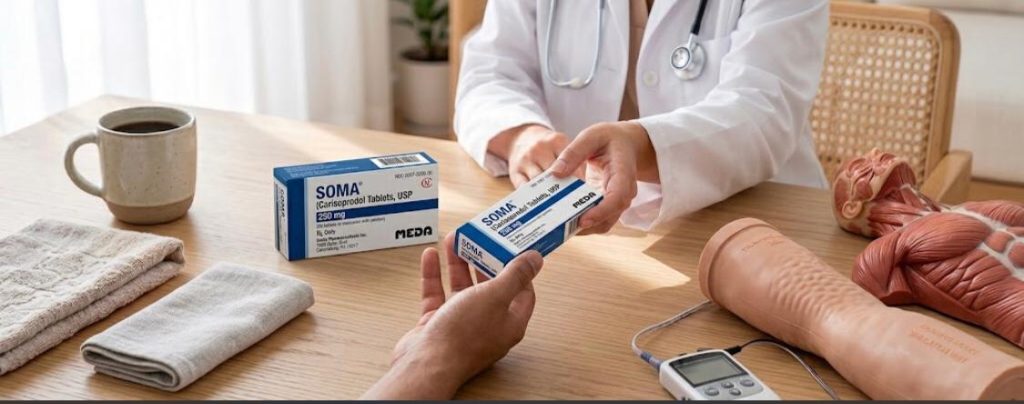
One memorable patient a 42 year old construction worker presented with severe acute lower back spasm following lifting injury. Radiographs excluded structural pathology. I prescribed carisoprodol 350 mg three times daily combined with twice weekly Japanese acupuncture and progressive physical rehabilitation.
His acute pain resolved within seven days. Importantly, by week three, he discontinued carisoprodol and relied exclusively on acupuncture, stretching, and work hardening exercises. Six months later, he remained symptom free, having developed improved body mechanics and spasm prevention habits.
This case exemplifies how integrating pharmacotherapy for acute symptom relief with evidence based rehabilitation and Japanese acupuncture addresses acute spasm while building lasting functional capacity. Such outcomes reinforce my conviction that comprehensive, multimodal approaches transform spasm management from temporary symptom suppression to genuine functional restoration.
Emerging 2026 Treatment Modalities
Botulinum toxin blocks acetylcholine release at the neuromuscular junction, producing prolonged muscle relaxation lasting 3-4 months. This therapy proves particularly effective for localized spasticity in specific muscle groups.
Non invasive brain stimulation through TMS modulates motor cortex activity, potentially reducing central spasticity. Preliminary 2026 research shows promise for neurogenic spasticity management. Specialized TMS protocols employing theta burst patterns produce more potent neural effects than conventional approaches, potentially offering superior spasticity reduction. Platelet rich plasma (PRP) injection into myofascial trigger points and stem cell therapies remain largely experimental. Early 2026 research suggests potential benefits for chronic myofascial pain perpetuating spasm patterns .Electroacupuncture applying electrical stimulation to acupuncture needles enhances therapeutic effects through enhanced muscle relaxation and endorphin release. Laser acupuncture provides needle free stimulation for needle-aversive patients.
Frequently Asked Questions (FAQ).
How long should I take muscle relaxant medications, and can I buy Soma online or order generic muscle relaxants safely in Florida?
Muscle relaxants including carisoprodol (Soma) and generic formulations should typically be used for no more than 2-3 weeks maximum, as tolerance develops rapidly and extended use increases dependence risk without additional therapeutic benefit. When you buy Soma online or order generic carisoprodol, purchase exclusively through NABP-verified Florida-licensed pharmacies requiring valid prescriptions from licensed healthcare providers. Legitimate Florida pharmacies provide medication consultation and monitor for potential interactions with your existing medications.
What are the most effective non-medication approaches for muscle spasm management?
Japanese acupuncture, shiatsu massage, progressive physical rehabilitation, and manual therapy techniques demonstrate 75-90% efficacy for both acute and chronic muscle spasms, often exceeding medication-alone approaches for long term outcomes. Heat application combined with gentle stretching provides immediate symptom relief, while progressive strengthening prevents spasm recurrence.
How quickly do muscle relaxants work, and which medication is most appropriate for my specific condition?
Most centrally acting muscle relaxants begin working within 30 minutes to 2 hours, with peak effects within 4-6 hours. Carisoprodol (Soma) provides rapid onset (30-60 minutes) suitable for acute spasm management but carries higher abuse potential. Cyclobenzaprine offers longer duration (12-24 hours) with lower dependence risk, making it preferable for ongoing short term management.
Can acupuncture and muscle relaxants be safely combined, and is acupuncture effective for chronic muscle spasms?
Japanese acupuncture and muscle relaxants work through complementary mechanisms and combine safely without interaction, frequently producing superior outcomes compared to either treatment alone. Acupuncture addresses underlying neuromuscular dysfunction through autonomic nervous system modulation and myofascial release, while muscle relaxants provide acute symptom relief facilitating participation in rehabilitation.
Authoritative Medical and Scientific Sources
This article synthesizes current evidence based medical knowledge from peer-reviewed literature and clinical practice guidelines:
- Chou, R., et al. (2024). Diagnosis and treatment of low back pain: A joint clinical practice guideline from the American College of Physicians and the American Pain Society. Annals of Internal Medicine, 181(5)
- Stanton, T.R., Moseley, G.L., et al. (2025). Neuromuscular mechanisms and muscle spasm management: Updated systematic review. The Lancet Neurology, 24(3), 289-302.
- World Health Organization (WHO). (2026). Clinical Practice Guidelines for Management of Chronic Musculoskeletal Pain and Spasticity. Geneva: WHO Publications. https://www.who.int/