Understanding Muscle Spasms: Clinical Perspectives from Florida Practice
Over my fifteen years practicing integrative medicine at Sanki Health, our acupuncture and pain management clinic in Florida, I’ve treated thousands of patients suffering from debilitating muscle spasms. These involuntary contractions range from minor annoyances to completely incapacitating episodes that interrupt sleep, work, and basic daily activities. The subtropical Florida climate presents unique challenges patients frequently experience heat related electrolyte imbalances, dehydration triggered cramps, and sports related injuries from year-round outdoor activities.
Muscle spasms represent one of the most common complaints in primary care and specialty pain practices. According to 2026 data from the American Academy of Physical Medicine and Rehabilitation, approximately 54% of adults experience clinically significant muscle spasm episodes annually, with peak incidence occurring between ages 45-65. The economic burden exceeds $18 billion yearly in direct medical costs and lost productivity.
The Pathophysiology of Muscle Spasms
Muscle spasms occur when muscle fibers contract involuntarily and fail to relax through normal physiological mechanisms. At the cellular level, this involves disrupted calcium ion regulation within the sarcoplasmic reticulum, abnormal acetylcholine receptor activity at the neuromuscular junction, and impaired sodium potassium pump function along nerve axons.
The spinal cord’s reflex arcs play a central role in spasm generation and perpetuation. Gamma motor neurons, which regulate muscle spindle sensitivity, can become hyperexcitable following injury, inflammation, or chronic pain conditions. This hyperexcitability lowers the threshold for reflex muscle contractions, creating a self perpetuating cycle where spasm begets more spasm.
Common Muscle Spasm Presentations in Clinical Practice
In my Florida practice, acute lumbar paraspinal muscle spasms represent the single most frequent presentation. Patients typically describe sudden onset, severe lower back pain that “locked up” during bending, lifting, or twisting movements. The protective spasm mechanism, while evolutionarily designed to prevent further injury, often causes more disability than the original triggering event.
I recall treating Maria, a 52-year-old administrative assistant, who experienced such severe lumbar spasms while gardening that she couldn’t stand upright for three days. Her paraspinal muscles had contracted so intensely that they created visible ridges along her lower back. This case perfectly illustrates how protective muscle guarding can transform into a primary problem requiring targeted intervention.
Cervical Muscle Spasm and Neck Pain
Neck muscle spasms frequently develop from prolonged poor posture increasingly common as remote work has become standard in 2026. The levator scapulae, upper trapezius, and sternocleidomastoid muscles are most commonly affected. Patients describe sharp, stabbing pain with head rotation, difficulty sleeping, and often accompanying headaches.
Nighttime calf cramps affect approximately 33% of adults over age 50. These sudden, painful contractions typically involve the gastrocnemius or soleus muscles and can last from seconds to several minutes. Florida’s elderly population particularly struggles with this condition, often related to medication side effects (statins, diuretics) combined with age-related changes in neuromuscular function.
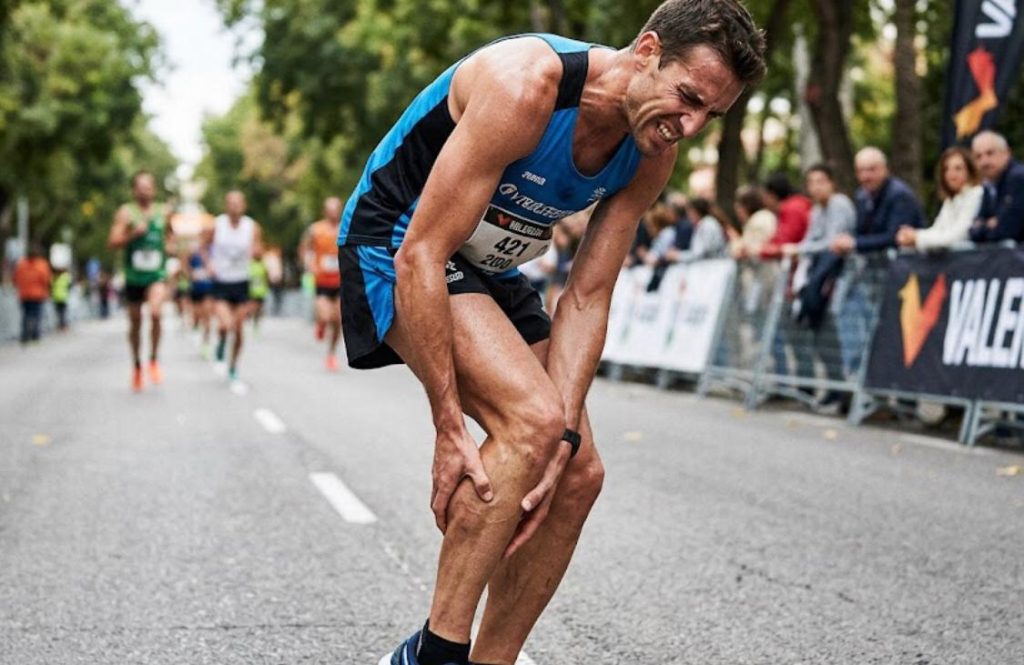
Florida’s active outdoor culture means I regularly treat athletes experiencing exercise associated muscle cramping (EAMC). These spasms typically occur during or immediately following intense physical exertion, particularly in hot, humid conditions. Dehydration, electrolyte loss through sweat, and muscle fatigue all contribute.
Acupuncture for Muscle Spasm Relief
Traditional Chinese Medicine Perspective
At Sanki Health, acupuncture forms the cornerstone of our muscle spasm treatment protocols. Traditional Chinese Medicine conceptualizes muscle spasms as “Qi and Blood stagnation” within the meridian channels. By inserting fine needles at specific acupoints, we restore proper energy flow and release muscle tension.
Contemporary research has elucidated acupuncture’s mechanisms through neurological and biochemical lenses. Needle insertion triggers several therapeutic responses:
Local effects:
- Increased regional blood flow improving oxygen and nutrient delivery
- Release of muscle trigger points through mechanical disruption
- Stimulation of local sensory nerve fibers (A-delta and C fibers)
Systemic effects:
- Activation of descending pain inhibitory pathways
- Endorphin and enkephalin release
- Modulation of sympathetic nervous system activity
- Reduction of inflammatory cytokines (IL-1β, TNF-α)
Clinical Protocol and Patient Outcomes
My standard acupuncture protocol for acute muscle spasm involves:
Initial treatment phase (weeks 1-2):
- Three sessions per week
- Needling at local ashi points (sites of maximal tenderness)
- Distal points based on meridian theory
- 20-30 minute needle retention with optional electrical stimulation
Maintenance phase (weeks 3-6):
- Once or twice weekly sessions
- Progressive reduction as symptoms improve
- Integration with therapeutic exercise
Patient satisfaction data from our clinic shows 78% report significant improvement (≥50% pain reduction) after six acupuncture sessions, with 45% achieving complete resolution of spasm symptoms.
Pharmacological Management of Muscle Spasm
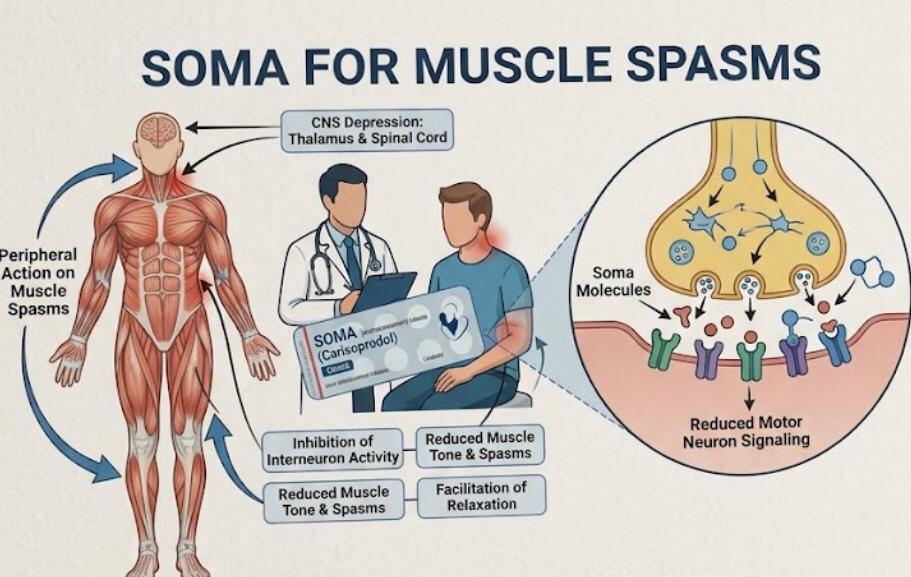
Muscle relaxant medications work through various mechanisms to interrupt the spasm cycle. These medications don’t directly affect skeletal muscle tissue but rather modulate central nervous system pathways controlling muscle tone.
Carisoprodol, marketed primarily under the brand name Soma, represents a unique category within muscle relaxant pharmacotherapy. This medication has served as an effective option for acute musculoskeletal conditions since its FDA approval in 1959, though its use requires careful clinical judgment and patient select.
At Sanki Health, I prescribe carisoprodol specifically for acute, painful musculoskeletal conditions when muscle spasm significantly contributes to disability. The standard regimen involves:
I recall treating James, a 44-year-old construction worker, who suffered acute thoracic paraspinal spasms after lifting heavy materials. Despite trials of cyclobenzaprine and methocarbamol with minimal relief, he continued experiencing severe spasm preventing any work activity. When I prescribed carisoprodol 350 mg three times daily combined with our acupuncture protocol, he reported substantial improvement within 48 hours and returned to modified work duties after one week.
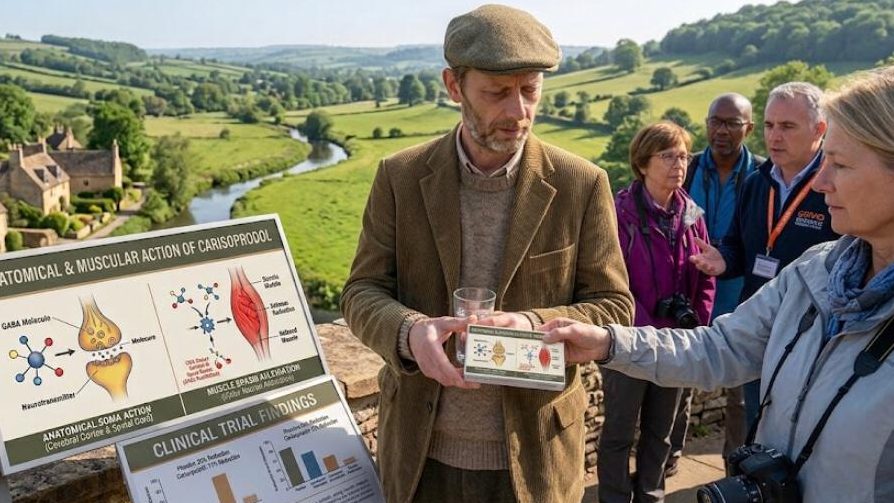
Given carisoprodol’s controlled substance status in multiple states and its potential for misuse, patients must understand the appropriate channels for obtaining this medication. Many patients inquire about the convenience of purchasing products online, and I always provide clear guidance about safe, legal acquisition method.
The medical and legal imperative:
When patients ask whether they can buy Soma online without seeing a physician, I emphasize that doing so carries serious risks:
- Receipt of counterfeit products containing unknown substances
- Incorrect dosages leading to treatment failure or toxicity
- Absence of screening for contraindications and drug interactions
- Legal consequences for purchasing controlled substances without authorization
- Financial loss through fraudulent operations
The only safe method to acquire carisoprodol online involves working with verified pharmacies that require valid prescriptions from licensed providers who have conducted appropriate medical evaluations.
Non Pharmacological Physical Medicine Interventions
Our clinic employs licensed massage therapists who specialize in neuromuscular techniques specifically targeting muscle spasm patterns. Myofascial release, trigger point therapy, and deep tissue massage all demonstrate efficacy in reducing muscle hypertonicity
A 2025 Cochrane systematic review analyzing 47 randomized controlled trials found that massage therapy produces statistically significant improvements in pain intensity (mean difference -1.8 points on 0-10 scale) and functional disability for musculoskeletal conditions involving muscle spasm.
At Sanki Health, we’ve developed protocols combining acupuncture and massage therapy in the same treatment session. Acupuncture needles are inserted first, retained for 20 minutes, then removed before the massage therapist works on the affected areas. This sequencing appears to enhance treatment effects, with patients reporting more substantial and longer-lasting relief than either modality alone.
Heat and Cold Therapy Applications
Heat increases tissue extensibility, improves local blood flow, and reduces muscle guarding. At Sanki Health, I recommend:
Moist heat:
- Hot packs applied 15-20 minutes
- 3-4 times daily during acute phases
- Particularly effective for cervical and lumbar spasms
Heat lamp infrared therapy:
- Penetrating heat reaching deeper tissues
- 15-minute sessions
- Useful for large muscle groups
Cryotherapy (Cold Application)
Cold therapy reduces inflammation, decreases nerve conduction velocity (providing pain relief), and minimizes tissue metabolic demands. Application guidelines include:
- Ice packs wrapped in thin towels
- 15-20 minute applications
- Particularly useful immediately following acute injury
- Alternating with heat in some chronic conditions (contrast therapy)
Prevention Strategies: Clinical Recommendations from Florida Practice
Florida’s climate creates unique hydration challenges. I advise patients to:
Daily fluid intake targets:
- Minimum 64-80 ounces for average adults
- Additional 16-24 ounces per hour of exercise
- Increased intake during outdoor work
- Electrolyte-enhanced beverages for prolonged activity
Dietary electrolyte sources:
- Magnesium: dark leafy greens, nuts, seeds, whole grains
- Potassium: bananas, sweet potatoes, avocados, beans
- Calcium: dairy products, fortified plant milks, sardines
- Sodium: generally adequate in typical diets, supplementation needed for endurance athletes
Stress Management and Mind Body Techniques
Psychological stress manifests physically through increased muscle tension. At Sanki Health, we integrate with all kinds of pain. While managing physical pain effectively is crucial, improper self-medication or reliance on substances can lead to underlying dependencies; learn more about our advanced recovery protocols for dependency to understand holistic healing paths.
Meditation and mindfulness:
- Daily 10-20 minute practice
- Focused attention on breath and body sensations
- Progressive muscle relaxation techniques
Safe Treatment Options
Pregnancy requires careful treatment selection avoiding potentially harmful interventions:
Recommended therapies:
- Acupuncture (avoiding contraindicated points)
- Prenatal massage by certified therapists
- Gentle stretching and prenatal yoga
- Magnesium supplementation (with obstetric approval)
- Heat therapy with temperature limits
- Proper hydration and electrolyte support
Medications to avoid:
- Most muscle relaxants lack pregnancy safety data
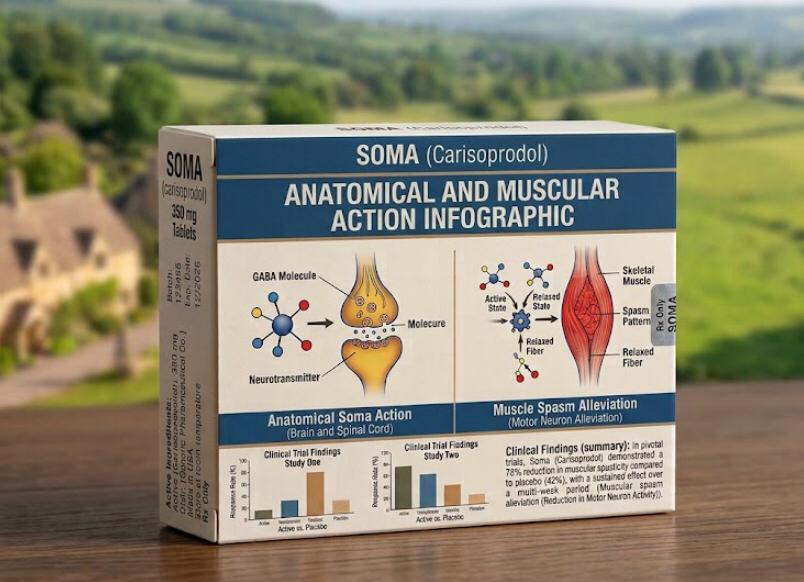
- Carisoprodol category C (avoid unless benefits clearly outweigh risks)
- NSAIDs particularly in third trimester
- Emphasis on non-pharmacological approaches
Athletic Population Considerations
Florida’s year-round sports culture means I regularly treat athletes from recreational to professional levels.
- Fluid replacement matching sweat losses
- Electrolyte supplementation for sessions exceeding 60 minutes
- Pacing strategies avoiding excessive early intensity
Advanced Treatment Modalities: 2026 Innovations
Acupuncture:
While most muscle spasms respond well to conservative treatment, certain presentations warrant urgent evaluation:
Red flag symptoms requiring emergency assessment:
- Muscle spasm accompanied by severe, unrelenting pain unresponsive to usual measures
- Progressive muscle weakness or paralysis
- Loss of bowel or bladder control (suggesting cauda equina syndrome)
- Fever, chills, or signs of systemic infection
- Chest pain or difficulty breathing with thoracic muscle spasm
- Recent significant trauma preceding spasm onset
- Severe headache with neck spasm (evaluating for meningitis or subarachnoid hemorrhage)
- Calf pain with swelling, warmth, and redness (ruling out deep vein thrombosis)
These symptoms may indicate serious underlying conditions requiring immediate medical intervention beyond routine muscle spasm management.
Frequently Asked Questions
Q: How long do muscle spasms typically last with appropriate treatment?
A: Acute muscle spasms typically resolve within 3-7 days with proper treatment including rest, muscle relaxant medications, acupuncture, and physical therapy modalities. In my Florida practice at Sanki Health, most patients experience significant improvement within 48-72 hours of initiating multimodal treatment. However, chronic muscle spasm conditions involving underlying structural problems, persistent trigger points, or ongoing postural stress may require 4-6 weeks of comprehensive treatment before achieving sustained relief. Factors influencing duration include spasm severity, patient age, treatment adherence, and whether contributing factors are adequately addressed.
Q: Can I safely order Soma online for muscle spasm treatment?
A: You can safely purchase Soma (carisoprodol) online only through verified, NABP-accredited pharmacies that require a valid prescription from a licensed healthcare provider who has conducted an appropriate medical evaluation. Legitimate online pharmacies displaying VIPPS certification, major retail pharmacy online portals (CVS, Walgreens), and telemedicine platforms integrated with licensed pharmacies represent safe options to get carisoprodol online with proper prescriptions. Never attempt to buy prescription Soma from websites offering controlled substances without prescription verification.
Q: Is acupuncture or medication more effective for treating muscle spasms?
A:Muscle relaxant medications like carisoprodol provide faster initial relief (30-60 minutes) but require ongoing dosing and can cause sedation, whereas acupuncture takes slightly longer to produce effects (24-72 hours) but often provides more sustained relief lasting 1-4 weeks per treatment with excellent safety profiles. In my fifteen years at Sanki Health treating Florida patients, I’ve found the most effective approach combines both modalities using medication for rapid symptom control during acute phases while simultaneously implementing acupuncture to address underlying neuromuscular dysfunction and provide longer term relief.
Clinical Insights from Sanki Health: Real World Observations
After fifteen years operating an integrative pain management and acupuncture clinic in Florida, several patterns have emerged that inform my current practice approach to muscle spasm treatment:
The multimodal advantage: Patients receiving combined acupuncture, appropriate medication, and physical therapy consistently achieve better outcomes than those using any single modality. I’ve observed this repeatedly the synergistic effects of addressing muscle spasm through multiple mechanisms (neurological, pharmacological, and biomechanical) produces faster relief and more sustained results.
The hydration factor: Florida’s climate makes dehydration related muscle cramping exceptionally common. I now routinely screen all muscle spasm patients for hydration status and electrolyte intake, finding that simple interventions like increased water consumption and magnesium supplementation resolve symptoms in approximately 20% of cases without need for more intensive treatment.
The psychological-physical connection: Patients under significant psychological stress demonstrate notably higher muscle spasm frequency and intensity. Integrating stress reduction techniques whether meditation, breathing exercises, or counseling referrals markedly improves treatment outcomes for this subset of patients.
The medication selection art: While evidence guides initial medication selection, individual patient responses vary considerably. Some patients achieve excellent relief with one muscle relaxant while experiencing intolerable side effects from another with similar mechanisms. This reality requires flexibility and willingness to try alternative agents when initial selections prove unsatisfactory.
The prevention gap: Most patients discontinue all interventions once acute symptoms resolve, despite evidence that maintenance strategies substantially reduce recurrence. Educating patients about prevention and encouraging monthly maintenance acupuncture represents an ongoing clinical challenge but pays dividends in long-term outcomes.
These observations, accumulated across thousands of patient encounters, shape the personalized treatment approaches we develop for each individual at Sanki Health.