When people search for a dentist near me, they are not simply looking for a nearby location. They are searching for trust, clarity, and long-term solutions. Most often, that search begins when something feels wrong — a slight pain, sensitivity, bleeding gums, or a damaged tooth. But the truth is, dental problems rarely begin with pain. They develop quietly and progressively over time.
This is why understanding your oral health is critical. The earlier you recognize the signs and take action, the easier and more predictable your treatment becomes. In modern dentistry, prevention and early intervention are the most powerful tools available.
Why “Dentist Near Me” Searches Are Increasing
Today, more people rely on Google to find healthcare providers. The phrase dentist near me has become one of the most searched queries in dental care. But what patients really need is not just proximity — it is clarity.
A reliable dental practice should offer more than treatments. It should provide guidance, prevention, and a clear path forward.
Understanding Gum Disease and Periodontal Disease
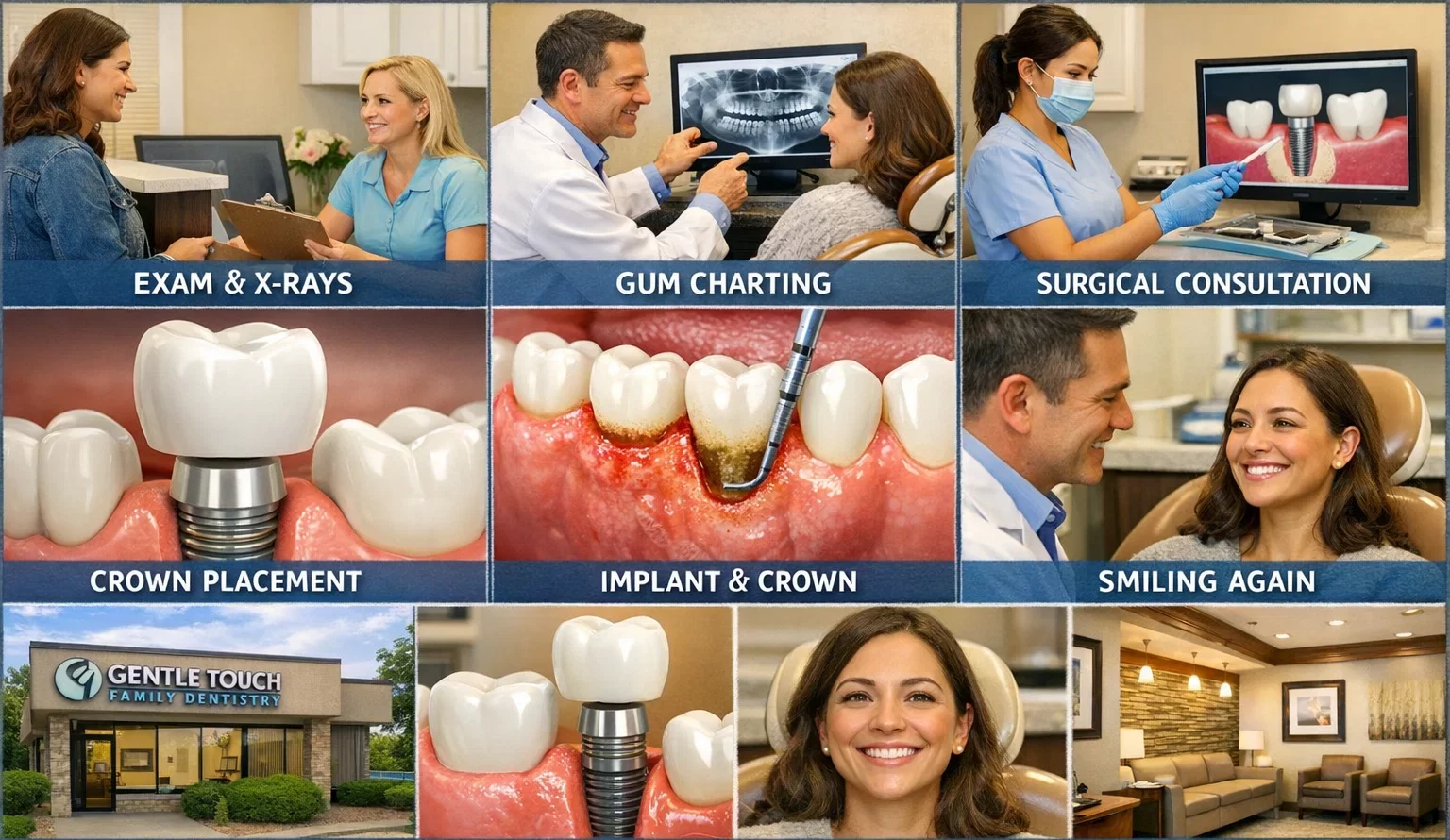
Gum disease is one of the most common dental conditions, and it often starts without pain. Early signs include redness, swelling, and bleeding when brushing.
This early stage is known as gingivitis and is usually reversible. However, if ignored, it can progress into periodontal disease – a more serious condition affecting the bone that supports your teeth.
At this stage, damage becomes more difficult to reverse. Patients may notice gum recession, persistent bad breath, or even loose teeth.
Why Early Detection Matters
The earlier gum disease is detected, the easier it is to treat. Regular dental checkups help identify problems before they become serious.
The Role of a Periodontist
A periodontist specializes in the diagnosis and treatment of gum disease. If your condition becomes more advanced, your general dentist may refer you to this specialist.
This does not mean your situation is severe. It simply means your treatment is becoming more targeted and precise.
When an Oral Surgeon Is Needed
An oral surgeon focuses on surgical procedures involving the teeth, jaw, and facial structures. This includes extractions, bone grafting, and dental implant placement.
Many patients who receive dental implants will interact with an oral surgeon as part of their treatment plan.
Tooth Crowns: Saving Natural Teeth
Tooth crowns are used to restore and protect damaged teeth. If a tooth is weakened but still viable, a crown can extend its life significantly.
Crowns are often recommended after large cavities or root canal treatments.
Dental Implants: Replacing Missing Teeth
Dental implants provide a long-term solution for missing teeth. They act as artificial roots and support a crown that looks and functions like a natural tooth. Unlike removable options, implants are fixed in place and offer stability and durability.
Crowns vs Implants
If the tooth can be saved – a crown is usually the best option. If the tooth is missing or beyond repair – an implant may be recommended.
The right decision depends on your specific condition.
Daily Habits That Protect Your Smile
Most dental problems are preventable. Simple daily habits can significantly reduce your risk.
- Brush twice a day properly
- Floss daily
- Visit your dentist regularly
- Avoid excessive sugar
Consistency is more important than intensity. Small actions done daily create long-term results.
A Patient-Centered Approach to Dentistry
Modern dentistry is not just about treatment. It is about comfort, communication, and personalized care.
Patients today expect transparency, clear explanations, and a comfortable experience. A good dental practice delivers all three.
Final Thoughts
Dental health is not something to delay. Early action leads to better outcomes, lower costs, and less stress.
If something feels wrong, the best step is simple: schedule an evaluation and get clear answers.
Source basis for clinical accuracy: The definitions of periodontal disease, prevention guidelines, the role of the periodontist, the role of the oral surgeon, and descriptions of anterior crowns/implants were aligned with current patient-centered guidelines from: https://www.drdanadental.com, https://abrahamdentalart.com.
hiI like your writing so much share we be in contact more approximately your article on AOL I need a specialist in this area to resolve my problem Maybe that is you Looking ahead to see you
Good post! We will be linking to this particularly great post on our site. Keep up the great writing
I like the efforts you have put in this, regards for all the great content.
I just like the helpful information you provide in your articles
wish you best and best
A truly comprehensive guide to dental implants should emphasize not only the technical procedure but also the long-term lifestyle benefits they offer. Modern dental care has evolved to make implants more accessible, comfortable, and durable than ever before. What stands out is how personalized treatment plans have become, integrating digital imaging and minimally invasive techniques. Patients today can expect quicker recovery times and more natural-looking results. Ultimately, dental implants are no longer just a cosmetic solution—they represent a significant step toward restoring full oral function and improving overall quality of life. You can read more about this on my blog https://medium.com/@digitalhealthmeds
The expertise at San Ki Health is truly impressive. You can tell they have a deep respect for ancient healing traditions while maintaining a very professional, modern environment. It’s rare to find a place that balances acupuncture and herbalism so effectively. They truly listen to your concerns and customize every single session to your needs.