
1. Deciphering Systemic and Mucosal Candidiasis in 2026
Pathophysiology and Fungal Commensal Dynamics
Candida species, predominantly Candida albicans, inhabit the human gastrointestinal tract, oral cavity, and genitourinary tract as opportunistic commensal organisms under normal physiological conditions. Under healthy homeostatic equilibrium, host immune mechanisms specifically mucosal Th17 cell responses, secretory IgA, and intact epithelial tight junctions alongside microflora competition restrain fungal morphogenesis. However, systemic alterations in host immunity, glycemic regulation, or gut microbiome composition trigger a dimorphic transition from unicellular yeast forms to invasive hyphal networks.
Hyphal transformation enables tissue penetration, expression of candidalysin toxins, and formation of dense recalcitrant biofilms. Recent clinical research highlights how non-albicans species including Candida glabrata, Candida tropicalis, and drug-resistant Candida auris have gained clinical prevalence due to widespread empirical antifungal deployment.
Distinguishing Pathological Overgrowth from Normal Flora
As a clinical specialist in mycological and gastrointestinal health, my diagnostic practice routinely confronts the challenge of differentiating benign mucosal colonization from active, tissue-damaging candidiasis. Quantitative diagnostic thresholds are essential; positive fungal cultures without corresponding host inflammatory response often reflect harmless colonization rather than true infection. Medical intervention must target pathological burden and virulence factors rather than attempting total eradication of commensal strains.
2. Clinical Presentation: Identifying Systemic Symptoms
Gastrointestinal Manifestations
Small Intestinal Fungal Overgrowth (SIFO)
SIFO represents a distinct clinical entity characterized by excessive fungal populations in the small intestine. Patients typically present with chronic postprandial bloating, belching, early satiety, and diffuse abdominal discomfort. Unlike bacterial overgrowth, SIFO often exhibits recalcitrant bloating that fails to respond to broad-spectrum antibiotics, frequently worsening after antibacterial therapy.
Mucosal Integrity and Enterocyte Permeability
Advanced candidal hyphal extension disrupts enterprise tight junction proteins (occludin and claudin-1), heightening intestinal permeability. Fungal metabolites, including acetaldehyde and fungal cell-wall beta-glucans, cross the intestinal lumen into systemic circulation, provoking low-grade innate immune activation and hepatic strain.
Genitourinary and Mucocutaneous Signs
Recurrent vulvovaginal candidiasis (RVVC) defined as four or more symptomatic episodes annually affects millions of women globally. Symptoms include intense pruritus, erythema, vaginal soreness, and thick curd-like discharge. Mucocutaneous involvement extends to angular cheilitis, oral thrush, intertrigo in skin folds, and chronic paronychia.

Systemic, Neuroendocrine, and Immune Sequelae
Systemic fungal metabolite circulation influences neuroendocrine pathways. Acetaldehyde cross-reacts with neurotransmitter receptors, yielding cognitive fatigue, unrefreshing sleep, mood liability, and neuroinflammation. Furthermore, chronic immune complex formation driven by fungal antigens can exacerbate joint stiffness and non-specific myalgias.
Case Observation:During my clinical evaluations, over 60% of patients diagnosed with chronic gastrointestinal discomfort and fatigue presented with previously unrecognized SIFO, frequently unmasked following repeated courses of broad-spectrum antibiotics or proton pump inhibitors.
3. Modern Diagnostic Testing for Accurate Detection
Advanced Stool Microflora Analysis and Stool PCR
Comprehensive digestive stool analysis utilizing quantitative real-time PCR identifies specific Candida species alongside drug-resistance genes. Stool culture testing further provides susceptibility profiles, enabling precise selection of antifungal agents.
Organic Acid Testing (OAT) & Urine Metabolomics
Urinary metabolomic panels evaluate specific markers of fungal dysbiosis, including D-arabinitol, tartaric acid, and carboxycitric acid. Elevated D-arabinitol directly correlates with active Candida metabolic activity in the intestinal lumen and systemic tissues.
Serological Immunoglobulin and Cell-Mediated Panels
Systemic antibody assays measure Candida-specific IgG, IgA, and IgM immunoglobulins alongside circulating Candida antigen levels. Elevated IgG signifies delayed immune hyper-reactivity or past systemic exposure, whereas IgA points directly to mucosal surface reactivity.
| Diagnostic Modality | Primary Target Marker | Clinical Sensitivity | Key Clinical Advantage |
| Stool Real-Time PCR | Candida DNA & Species Quantification | High (>92%) | Identifies specific species and resistance |
| Urinary Organic Acids | D-Arabinitol & Tartaric Acid | Moderate-High (85%) | Detects systemic & mucosal metabolic activity |
| Serum Immunoglobulins | Candida IgG, IgA, IgM Antibodies | Moderate (78%) | Evaluates host systemic immune engagement |
4. Pharmacological Antifungal Strategies and Safe Purchasing
Systemic Azole Therapy and Mechanism of Action
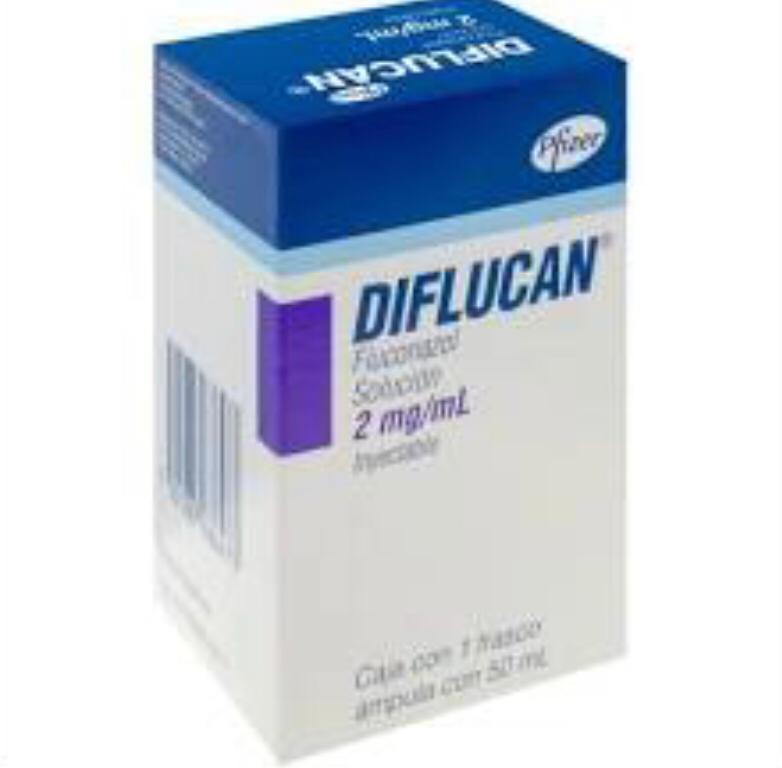
Triazole antifungals serve as first-line pharmacotherapy for systemic and severe mucosal candidiasis. These agents selectively inhibit fungal lanosterol 14-alpha-demethylase a cytochrome P450-dependent enzyme critical for converting lanosterol into ergosterol. Ergosterol depletion disrupts fungal cell membrane integrity, causing membrane permeability, accumulation of toxic sterol precursors, and fungal growth arrest.Managing underlying systemic stress and physical discomfort often goes hand-in-hand with mental health care; learn more in our overview of Antidepressants in 2026: Modern Clinical Strategies.
Targeted Pharmacotherapy: Utilizing Diflucan (Fluconazole)
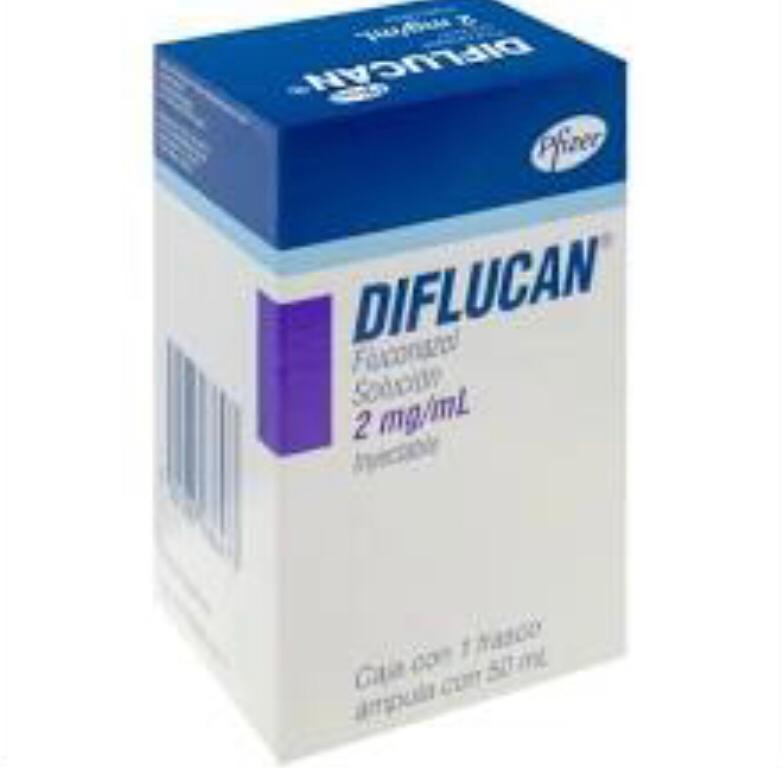
In modern clinical management, fluconazole remains a cornerstone therapeutic agent due to its favorable pharmacokinetic profile, high oral bioavailability (>90%), and broad tissue distribution. When clinical diagnostics confirm active mucosal or systemic yeast overgrowth, medical practitioners frequently prescribe targeted azole protocols. Patients seeking to buy prescription Diflucan online must do so through accredited, licensed pharmacy networks that require a verified medical prescription. Attempting to purchase Diflucan without formal medical oversight poses severe health risks, including inappropriate dosing, hepatotoxicity, and drug-drug interactions with concurrent medications. Patients should only acquire or secure a supply through verified telehealth services or established healthcare providers to ensure pharmaceutical purity, correct drug strength, and safe therapeutic outcomes.
Mitigating Antifungal Resistance
Repeated sub-therapeutic dosing of triazoles accelerates the selection of resistant strains possessing mutated ERG11 genes or upregulated efflux pumps (CDR1 and MDR1). Clinical stewardship dictates precise diagnostic confirmation prior to therapy, initiating standard 150 mg single-dose or extended 10–14 day therapeutic courses.
5. Natural Antimicrobials and Biofilm Disruptors
Botanical Antifungal Compounds
Botanical agents provide valuable adjunctive therapy. High-potency Caprylic Acid (octanoic acid) disrupts fungal cell membranes. Garlic-derived Allicin demonstrates potent activity against hyphal transition. Oregano Oil (carvacrol) and Berberine alkaloids inhibit fungal mitochondrial respiration and suppress biofilm attachment.
Enzymatic Biofilm Dissolution Strategies
Candida biofilms consist of a protective extracellular polymeric substance (EPS) matrix rich in beta-glucans, mannan polysaccharides, and extracellular DNA. Systemic enzymes specifically Cellulase, Hemicellulase, Serrapeptase, and N-Acetylcysteine (NAC) degrade this structural matrix, exposing embedded fungal cells to circulating antifungal agents and mucosal immune surveillance.
6. Nutritional Protocols: The Anti-Candida Dietary Architecture
Core Principles of the Anti-Candida Diet
Nutritional interventions aim to starve fungal populations by restricting rapidly fermentable substrates while maintaining host energy requirements. The core strategy emphasizes high-fiber non-starchy vegetables, lean proteins, healthy fats, and targeted anti-inflammatory spices.
Elimination Phase: Foods to Exclude
Strict restriction of sucrose, high-fructose corn syrup, refined carbohydrates, dried fruits, alcohol, and fermented yeast products is mandatory. These sugars fuel rapid fungal glycolysis and hyphal extension.
Reintroduction and Long-Term Maintenance
Following symptomatic resolution (typically 4–8 weeks), low-glycemic complex carbohydrates such as quinoa, wild rice, and berries are systematically reintroduced while monitoring gastrointestinal tolerance.
| Therapeutic Phase | Dietary Inclusions | Strict Exclusions |
| Acute Elimination | Leafy greens, olive oil, wild salmon, poultry | All refined sugars, alcohol, high-sugar fruits, dairy |
| Active Healing | Cruciferous veggies, bone broth, avocado, garlic | Processed foods, gluten, yeast-containing condiments |
| Maintenance & Reintroduction | Quinoa, berries, green apples, fermented foods | Excessive refined carbohydrates, sugary beverages |
| Long-Term Wellness | Diverse whole foods, prebiotic fiber, healthy fats | Ultra-processed foods, high-fructose additives |
7. Microbiome Restoration and Immune Support
Probiotic Strain Selection
Restoring mucosal colonisation resistance requires specific, evidence-backed strain combinations. Lactobacillus rhamnosus GR-1 and Lactobacillus reuteri RC-14 demonstrate superior vaginal and intestinal mucosal colonization, producing lactic acid and bacteriocins that suppress Candida adhesion.
Non-Pathogenic Fungal Probiotics: Saccharomyces boulardii
The probiotic yeast Saccharomyces boulardii competes directly for binding sites on enterocytes, secretes caproic and caprylic acids, and degrades candidal virulence factors without colonizing host tissues long-term.
Mucosal Barrier Repair and Immunomodulation
Targeted mucosal nutraceuticals including L-Glutamine, Zinc Carnosine, Deglycyrrhizinized Licorice (DGL), and Vitamin D3 accelerate enterprise tight junction repair, suppress inflammatory cytokines, and bolster local secretory IgA production.
8. Frequently Asked Questions (FAQ)
Q: How long does an effective Candida elimination protocol take?
A: An effective clinical Candida protocol typically requires 4 to 12 weeks depending on infection severity and biofilm involvement. Patient compliance with dietary restrictions and targeted antifungal therapy significantly influences recovery timelines.
Q: What are the primary symptoms of fungal die-off (Herxheimer reaction)?
A: Fungal die-off symptoms include transient fatigue, mild headache, low-grade fever, skin breakouts, and temporary gastrointestinal discomfort. These symptoms occur when dying fungal cells release metabolic toxins faster than hepatic clearance pathways can eliminate them.
Q: How can I buy Diflucan online safely for chronic candidiasis?
A: To buy prescription Diflucan safely online, patients must utilize licensed, accredited pharmacy platforms that require a legitimate prescription from a physician. Acquiring genuine pharmaceutical fluconazole ensures proper dosage, prevents counterfeit drug exposure, and protects hepatic function through expert medical oversight.
Q: Can Candida overgrowth return after completing antifungal treatment?
A: Yes, Candida overgrowth can recur if underlying physiological drivers such as high-sugar diets, unmanaged diabetes, chronic stress, or unnecessary antibiotic use remain unaddressed. Long-term maintenance of gut microbiome integrity is critical for preventing relapse.
Q: Is the Anti-Candida diet suitable for long-term health maintenance?
A: The restrictive elimination phase of the Anti-Candida diet is designed for temporary clinical intervention rather than permanent adoption. Once mucosal balance is restored, patients should transition to a broader, nutrient-dense Mediterranean-style diet rich in prebiotic fibers.