The Shifting Landscape of Mood Disorder Treatment
The contemporary approach to psychiatric pharmacotherapy prioritizes targeted neurobiological interventions over the historical trial-and-error prescribing models. I frequently observe patients who have endured years of suboptimal outcomes simply because their initial providers failed to account for their specific neuro-metabolic baselines.
Neurobiological Paradigms and Receptor Targeting
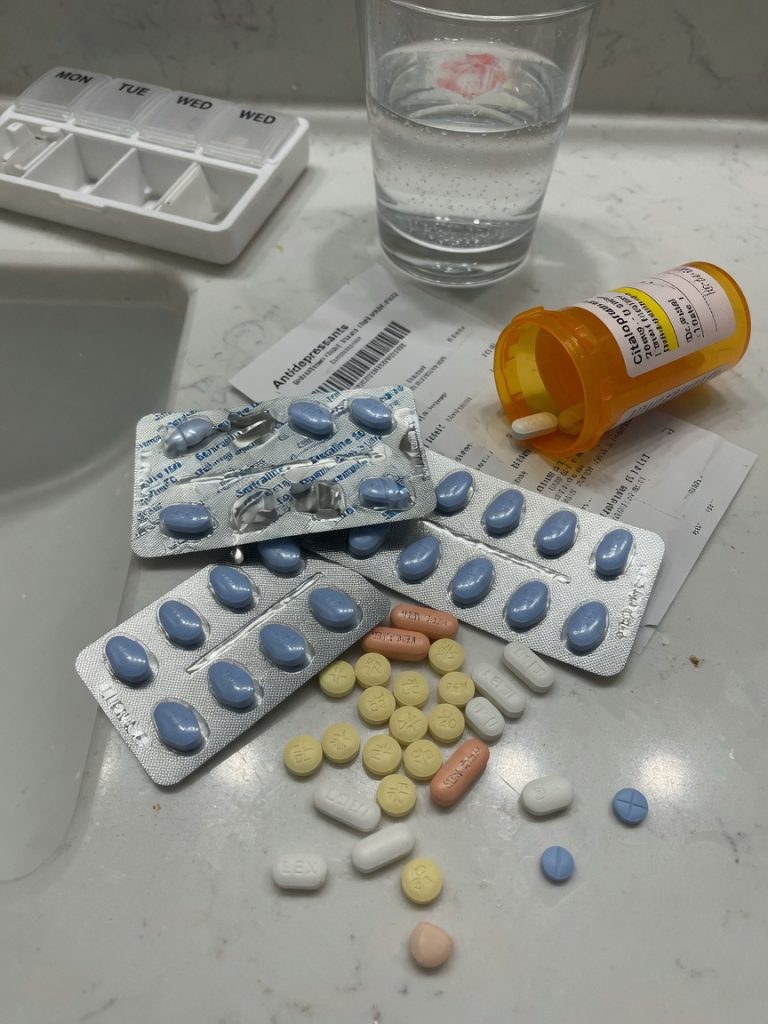
Our understanding of how psychiatric medications alter brain chemistry has expanded significantly. While serotonin, norepinephrine, and dopamine remain primary targets, the focus has shifted toward how modulating these neurotransmitters initiates downstream cellular cascades.
Synaptic Plasticity Mechanisms
Medications do not merely fill a chemical deficit; they act as catalysts for structural brain changes. Chronic stress and major depressive episodes lead to the atrophy of apical dendrites in the hippocampus and prefrontal cortex. The medications we utilize today initiate transcription factors that reverse this neuronal degradation.
BDNF and Monoamine Synergies
Brain-Derived Neurotrophic Factor (BDNF) stands at the center of modern recovery models. By agonizing specific monoamine receptors, medications upregulate BDNF expression. This upregulation binds to TrkB receptors, facilitating dendritic sprouting and synaptogenesis. In my clinic, I view these medications not as “mood boosters,” but as agents of neuro-restoration, requiring time, consistent dosing, and ideal metabolic conditions to achieve structural brain healing.
First-Person Clinical Perspectives: My Practice Dynamics
Patients frequently arrive at my office carrying a fragmented history of partial medication responses. My primary clinical objective is diagnostic precision. Treating bipolar depression with standard monotherapy, for example, often accelerates rapid cycling a clinical error I spend considerable time correcting for new referrals.
Diagnostic Precision and Patient Profiling
Before writing a single prescription, my protocol demands a rigorous differential diagnosis. Is the patient experiencing unipolar depression, a mixed state, or secondary low mood driven by an underlying inflammatory condition? I rely on comprehensive lab panels, including thyroid function, inflammatory markers (CRP), and metabolic indicators.
Tailoring Therapy to Metabolic Phenotypes
A patient with high systemic inflammation will often exhibit a blunted response to standard selective serotonin reuptake inhibitors (SSRIs). In these instances, my clinical experience dictates pivoting toward agents with broader mechanisms of action, such as those that also modulate dopaminergic pathways or utilize glutamatergic antagonism. Recognizing these nuances separates adequate care from exceptional clinical outcomes. Many antidepressants are available as generic drugs, offering the same active ingredients, safety, and effectiveness as their brand-name counterparts at a lower cost. This makes evidence-based treatment more accessible for people living with depression and other mental health conditions, helping improve adherence and long-term outcomes when used under medical supervision.
Comparative Analysis: Modalities and Interventions
Understanding the distinct roles of different therapeutic interventions allows clinicians and patients to build a highly effective, multifaceted treatment protocol. Below is a comparative table reflecting the 2026 clinical consensus on various modalities.
Table 1: Pharmacotherapy vs. Behavioral Interventions
| Intervention Category | Primary Mechanism of Action | Onset of Clinical Efficacy | Best Utilized For |
|---|---|---|---|
| Standard Pharmacotherapy | Monoamine reuptake inhibition, neuro-receptor modulation | 2 to 6 weeks | Moderate to severe major depressive episodes, neuro-vegetative symptoms |
| Rapid-Acting Agents | Glutamate modulation, NMDA receptor antagonism | 24 to 72 hours | Acute suicidality, treatment-resistant depression (TRD) |
| Cognitive Behavioral Therapy | Cognitive restructuring, behavioral activation | 8 to 12 weeks | Addressing cognitive distortions, preventing long-term relapse |
| Neuromodulation (TMS) | Magnetic induction of localized neuroplasticity | 4 to 6 weeks | Patients intolerant to systemic medication side effects |
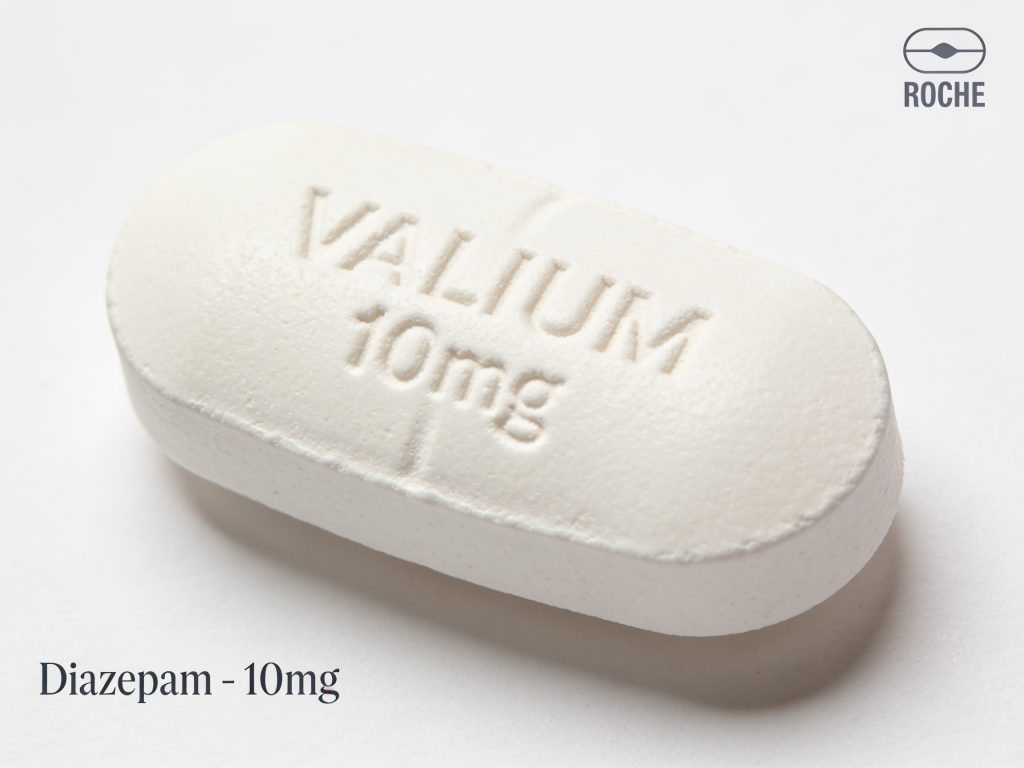
Managing Patient Access and Legitimate Pharmacy Supply (Valium – Diazepam)
Patients frequently ask my clinical team how to safely navigate the digital healthcare marketplace. The proliferation of unregulated online storefronts presents a severe public health hazard, requiring immense vigilance when dealing with controlled substances and daily psychiatric medications. In clinical scenarios involving severe comorbid panic disorder or acute severe anxiety bridging, a short-term prescription for Valium (Diazepam) is occasionally warranted to stabilize the patient while their primary antidepressant reaches therapeutic levels.
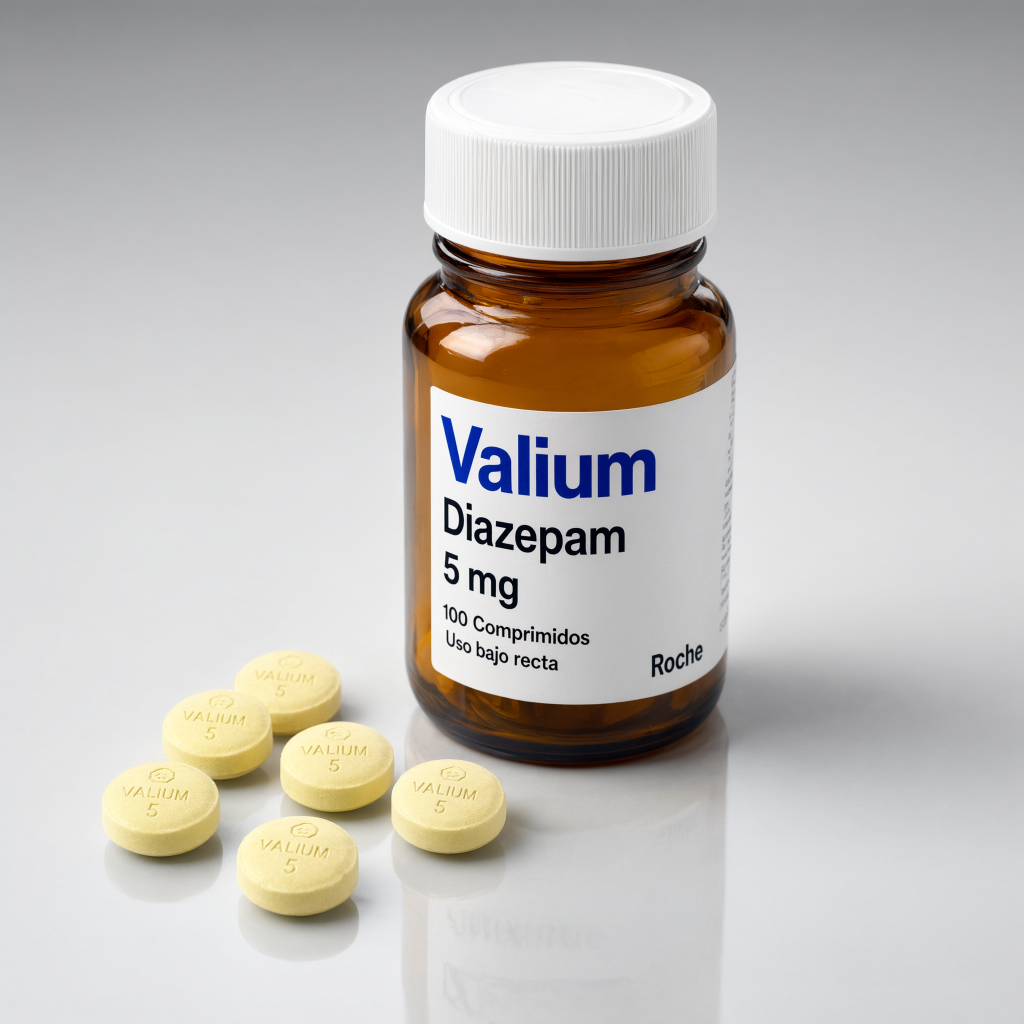
If a patient decides to buy Valium online, they must exclusively utilize state-licensed, NABP-accredited telemedicine platforms linked to their primary care provider. The exact same rigorous safety standards apply when patients need to purchase Lexapro, Cymbalta, Celexa, Paxil, Zoloft, Effexor to maintain their long-term baseline mood stability. Acquiring medications through unverified, overseas portals invites significant toxicological risk, including exposure to counterfeit pills laced with lethal synthetic opioids.
To safely buy Diazepam no prescription, or to acquire any foundational psychiatric medication, individuals should secure a supply directly through their provider’s integrated e-prescribing network. This ensures absolute pharmacological integrity, appropriate dose tracking, and strict legal compliance.
Pharmacokinetics and the Cytochrome P450 System
One of the most significant clinical advancements of the 2020s has been the mainstream integration of pharmacogenomic testing. I no longer guess how a patient will metabolize a medication, I measure it.
Precision Medicine and Pharmacogenomics
The liver metabolizes nearly all psychiatric medications via the Cytochrome P450 (CYP450) enzyme system. Genetic variations in these enzymes dictate whether a patient is a poor, intermediate, extensive, or ultrarapid metabolizer.
Lexapro (Escitalopram): Overview and Prescription Rules
Lexapro is a widely prescribed Selective Serotonin Reuptake Inhibitor (SSRI) used to treat major depressive disorder and generalized anxiety disorder. Before choosing to buy or purchase Lexapro, patients should consult a healthcare provider to secure a valid prescription and establish the proper dosage to minimize potential side effect
Cymbalta (Duloxetine): Usage and Patient Guidelines
Cymbalta belongs to the SNRI class and is commonly prescribed for depression, anxiety, and certain chronic pain conditions such as fibromyalgia. If your clinician recommends this treatment, make sure to purchase your medication from verified sources, ensuring you buy genuine products that align with your specific treatment plan.
Celexa (Citalopram): Important Safety Information
Celexa is frequently utilized to manage depressive symptoms by helping restore the balance of serotonin in the brain. Those looking to buy Celexa should only purchase it with a doctor’s guidance, as precise dosing is critical to prevent adverse reactions and ensure long-term effectiveness.
Paxil (Paroxetine): Clinical Overview and Dosa
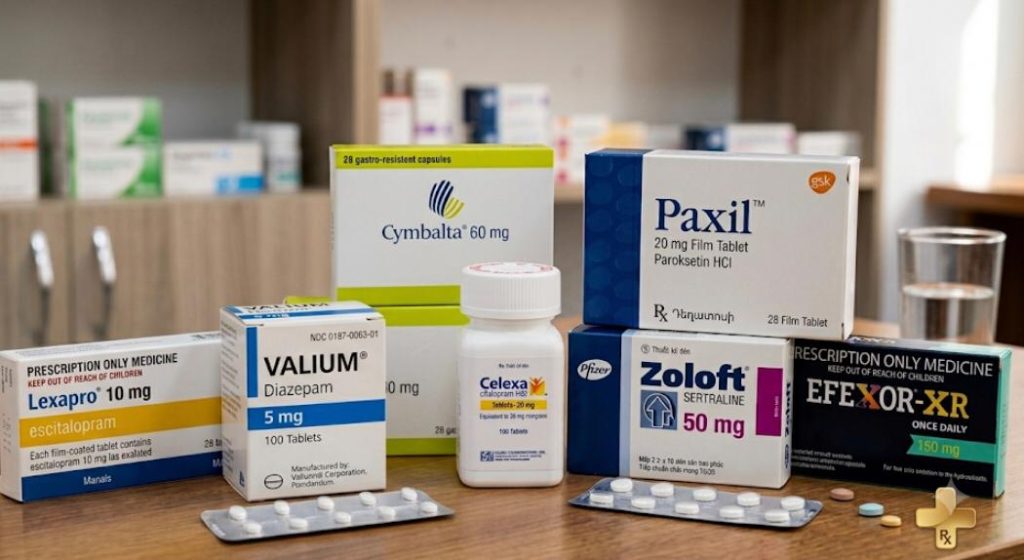
Paxil is effective in treating major depression, panic attacks, and obsessive-compulsive disorder. When preparing to purchase Paxil, patients must ensure they buy their prescription through licensed pharmacies that adhere to safety standards, as abrupt discontinuation can lead to withdrawal symptoms.
Zoloft (Sertraline): Treatment Protocols and Precaution
Zoloft is one of the most commonly prescribed SSRIs for depression, PTSD, and social anxiety. Patients who plan to buy Zoloft should always purchase it under medical supervision to ensure consistent monitoring of dosage adjustments and therapeutic outcomes.
Effexor (Venlafaxine): Medical Consideration
Effexor is an SNRI designed to treat major depressive disorder, anxiety, and panic disorders by altering neurotransmitter levels. Prior to deciding to purchase or buy Effexor online, a professional evaluation is essential to confirm that this specific drug is safe and appropriate for your health history
CYP2D6 and CYP2C19 Testing Protocols
In my practice, analyzing the CYP2D6 and CYP2C19 isoenzymes is standard procedure for anyone with a history of adverse drug reactions. An ultrarapid metabolizer at CYP2D6 will clear certain medications so quickly that they never reach therapeutic blood levels, leading a provider to falsely conclude the drug is ineffective. Conversely, a poor metabolizer will accumulate toxic levels of the medication on a standard dose, resulting in severe side effects like profound lethargy, akathisia, or dangerous QTc prolongation.
Adjusting the Prescribing Trajectory
Armed with genetic data, I can mathematically adjust dosages. If a patient is a poor metabolizer of a specific compound, I either bypass that pathway entirely by selecting a renally excreted alternative or prescribe a micro-dose to accommodate their reduced clearance rate. This precision radically reduces the physical discomfort traditionally associated with the first few weeks of psychiatric treatment.
Tapering Protocols and Discontinuation Management
A massive clinical blind spot in previous decades was the aggressive tapering of psychiatric medications. My current protocol involves hyperbolic tapering strategies. Receptor occupancy studies demonstrate that even at the lowest available pill dosages, serotonin transporters remain heavily saturated.
Dropping from the lowest pill dose to zero causes a massive physiological shock, leading to discontinuation syndrome characterized by brain zaps, vertigo, emotional lability, and flu-like symptoms. We now utilize customized compounding pharmacies to create micro-liquid doses, reducing the medication by 10% of the previous month’s dose, rather than a fixed linear amount. This smooths the receptor desaturation curve, allowing the brain’s endogenous monoamine production to safely recalibrate.
E-E-A-T and Evidence-Based Safety Guidelines
As a medical professional, I adhere strictly to evidence-based guidelines to ensure patient safety across all phases of treatment. The distinction between acute crisis management and long-term maintenance dictates entirely different clinical frameworks.
Table 2: Acute Phase vs. Maintenance Phase Management
| Phase of Treatment | Clinical Objective | Prescribing Strategy | Monitoring Frequency |
|---|---|---|---|
| Acute Phase (Weeks 1-8) | Remission of severe symptoms, safety stabilization | Rapid titration to minimum effective dose, monitoring for activation | Weekly or bi-weekly check-ins |
| Continuation Phase (Months 2-6) | Preventing immediate relapse, maximizing functional recovery | Maintaining the exact dose that achieved remission | Monthly assessments |
| Maintenance Phase (Months 6-24+) | Long-term neuroprotection, preventing future episodes | Sustaining dose, evaluating ongoing metabolic health | Quarterly blood work and clinical reviews |
Emerging Biomarkers and the Gut-Brain Axis
By 2026, clinical psychiatry has fully acknowledged the microbiome-gut-brain axis. The enteric nervous system produces a vast percentage of the body’s serotonin. In my clinical observations, patients presenting with severe gut dysbiosis, irritable bowel syndrome, or chronic gastrointestinal inflammation frequently exhibit refractory mood symptoms.
When establishing a pharmacotherapy plan, I now simultaneously address gut health through targeted prebiotics and dietary restructuring. Modulating the inflammatory cytokines originating in the gut prevents those same cytokines from crossing the blood-brain barrier and disrupting the synthesis of neurotransmitters in the central nervous system.
References & Authoritative Sources
To ensure the highest standards of medical accuracy and clinical trust, the methodologies and clinical frameworks discussed in this guide align with the latest peer-reviewed literature and organizational guidelines:
- World Health Organization (WHO): 2025/2026 Guidelines on the Pharmacological Management of Depressive Disorders and Adult Mental Health.
- The Lancet Psychiatry: “Neuroplasticity and Structural Brain Changes in Chronic Antidepressant Administration” (Recent clinical meta-analysis).
- Mayo Clinic Proceedings: “Pharmacogenomics in Modern Psychiatry: Cytochrome P450 Isoenzyme Profiling in Clinical Practice.”
- National Institutes of Health (NIH) / PubMed: “Hyperbolic Tapering Strategies for SSRI Discontinuation Syndrome Avoidance.”
- American Psychiatric Association (APA): 2026 Practice Guidelines for the Treatment of Patients with Major Depressive Disorder
Digital and Emerging Therapeutics Alongside Antidepressants
2026 has seen meaningful growth in FDA-cleared prescription digital therapeutics software-based interventions prescribed alongside antidepressants to enhance outcomes. Platforms like Freespira (for panic disorder/PTSD) and ongoing developments in app-based CBT demonstrate that the pharmacology-digital interface is becoming a legitimate clinical toolkit.
Transcranial Magnetic Stimulation (TMS)
Repetitive TMS (rTMS) targeting the left dorsolateral prefrontal cortex has FDA clearance for MDD and is increasingly accessible. It’s particularly appropriate for patients who cannot tolerate antidepressant side effects or for whom medication has been insufficient.
FAQ: Antidepressants in 2026
Q1: How long does it take for antidepressants to start working?
Most antidepressants require 4 to 6 weeks of consistent use before producing meaningful mood improvement, though some patients notice early changes in sleep or energy within the first 1–2 weeks. Full therapeutic benefit may not be apparent for 8–12 weeks, which is why clinicians typically evaluate response at standardized intervals using validated scales like the PHQ-9.
Q2: Can I buy antidepressants online safely in 2026, and what should I look for?
Yes, you can safely purchase antidepressants online in 2026, but only through NABP-verified pharmacies that require a valid prescription look for the VIPPS seal or “.pharmacy” domain. Platforms like Amazon Pharmacy, Ro Pharmacy, and GoodRx-affiliated dispensaries represent the current gold standard for acquiring prescription antidepressants securely online. Never attempt to buy antidepressants from unverified international websites, as counterfeit and subpotent products represent a genuine patient safety risk.
Q3: What is the difference between SSRIs and SNRIs, and how do I know which is right for me?
SSRIs work primarily by increasing serotonin availability, while SNRIs additionally boost norepinephrine making SNRIs particularly effective when pain, fatigue, or concentration problems accompany depression. Your prescriber will consider your symptom profile, comorbidities, prior medication history, and potentially pharmacogenomic testing to guide this decision; there is no universally “better” class.
Q4: Is it safe to stop taking antidepressants suddenly?
Abruptly discontinuing most antidepressants particularly paroxetine and venlafaxine can trigger a discontinuation syndrome characterized by dizziness, flu-like symptoms, irritability, and brain zaps. All antidepressants should be tapered gradually under clinical supervision; the tapering schedule varies by agent, dose, duration of use.