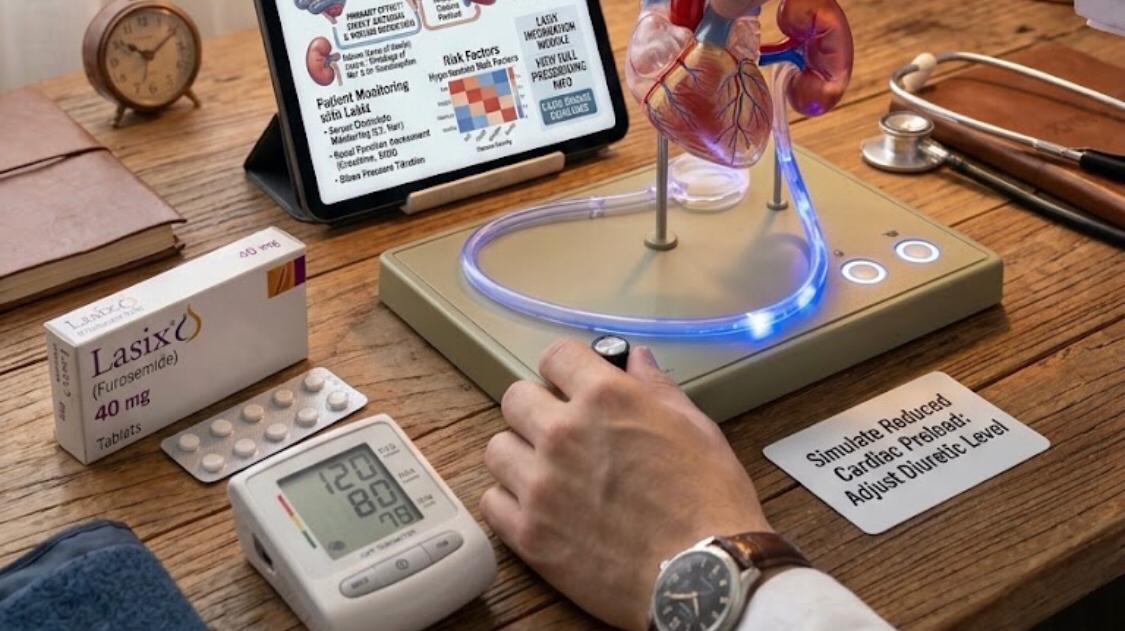
Blood pressure is one of the most powerful predictors of long-term cardiovascular, renal, and cerebrovascular health, yet it remains chronically under recognized in outpatient settings. In my clinical work with Japanese Acupuncture in Florida I regularly meet patients who feel completely well while their arterial pressures sit in ranges that place them at meaningful risk. The absence of symptoms does not mean the absence of disease. This 2026 guide examines the current standards for evaluating, treating, and safely managing hypertension, including the role of loop diuretics, practical lifestyle interventions, and how to source prescription medication responsibly.
Hypertension is defined as persistently elevated arterial blood pressure, typically measured as systolic pressure of 130 mmHg or higher, or diastolic pressure of 80 mmHg or higher, according to the American College of Cardiology/American Heart Association thresholds. The 2026 landscape emphasizes earlier intervention, out-of-office monitoring, and individualized risk stratification rather than a one-size-fits-all numeric target.
Defining and Classifying Elevated Blood Pressure
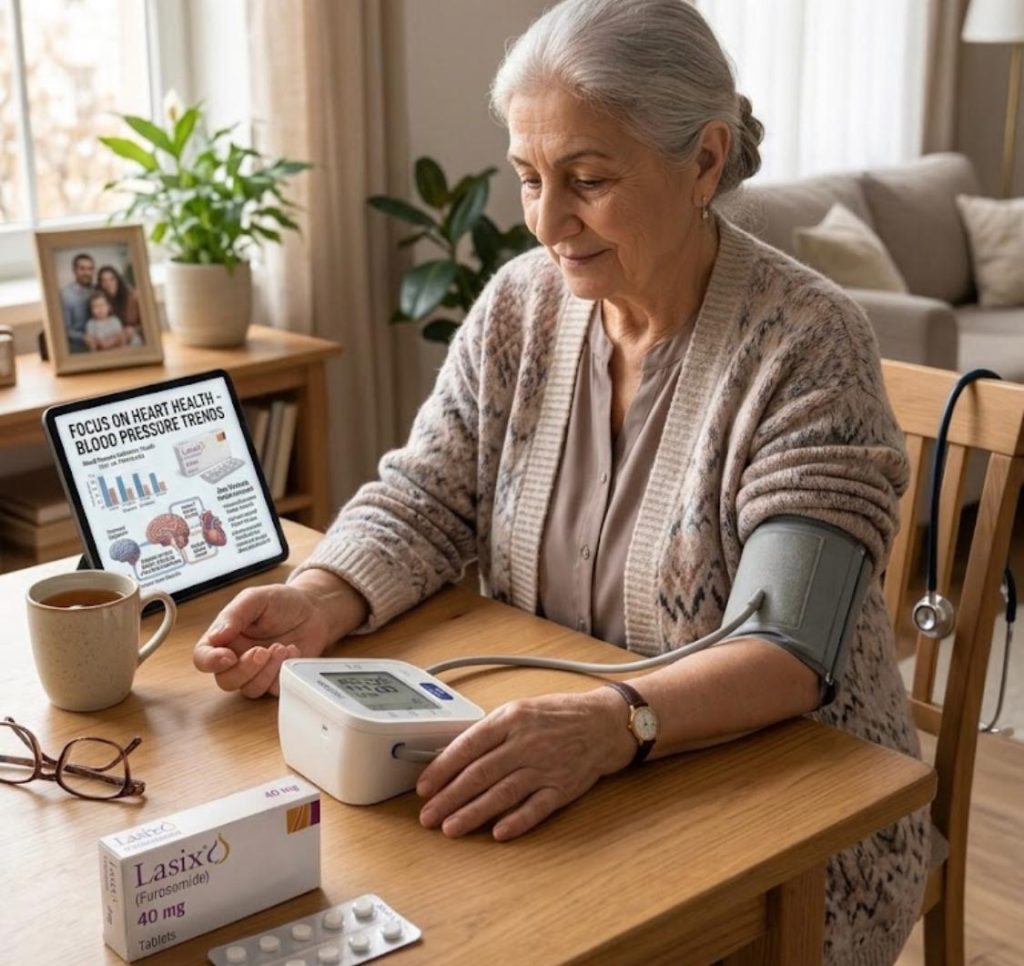
Accurate diagnosis depends on proper technique, appropriate cuff sizing, and confirmation across multiple visits. A single elevated reading in a stressful environment should never establish a diagnosis.
Systolic, Diastolic, and Pulse Pressure
Systolic pressure reflects the force exerted during ventricular contraction, while diastolic pressure reflects residual arterial tone during relaxation. Pulse pressure, the difference between the two, widens with age as large arteries stiffen. Isolated systolic hypertension, common in older adults, carries distinct cardiovascular risk and often requires nuanced pharmacologic selection.
White-Coat and Masked Hypertension
White coat hypertension produces elevated readings in clinical settings but normal readings outside the office. Masked hypertension is the inverse: normal office readings with elevated ambulatory or home values. Both patterns alter risk profiles and treatment decisions,such as the use of Lasix Water Pill Online which is why I encourage patients to maintain a home log rather than relying solely on clinic measurements.
Primary and Secondary Etiologies
Roughly 90 to 95 percent of adult hypertension is essential, meaning no single anatomic cause is identified. The remaining 5 to 10 percent falls into secondary categories that often warrant different therapeutic approaches.
Renal, Endocrine, and Vascular Causes
Renal parenchymal disease, renal artery stenosis, primary aldosteronism, pheochromocytoma, Cushing syndrome, thyroid dysfunction, and obstructive sleep apnea represent the most frequently encountered secondary drivers. In my Florida practice, I have observed that patients with resistant hypertension often show marked improvement once an underlying endocrine or sleep-disordered breathing contributor is addressed.
Drug-Induced Blood Pressure Elevations
Nonsteroidal anti-inflammatory drugs, corticosteroids, oral contraceptives, decongestants, certain antidepressants, and immunosuppressants can raise blood pressure. A thorough medication review frequently reveals a reversible contributor before any antihypertensive is added.
Loop Diuretics in Hypertension Management
Loop diuretics occupy a specific niche in the antihypertensive armamentarium. They are not typically first-line agents for uncomplicated stage 1 hypertension, but they become essential when volume overload, reduced kidney function, or heart failure complicates the clinical picture.
Furosemide and the Thick Ascending Limb
Furosemide, the active ingredient in Lasix, inhibits the sodium potassium chloride cotransporter in the thick ascending limb of the loop of Henle. By blocking reabsorption of approximately 20 to 25 percent of filtered sodium, it produces a brisk diuresis that reduces plasma volume, preload, and ultimately cardiac output.
Sodium Potassium Chloride Cotransporter Blockade
The cotransporter normally drives sodium, potassium, and chloride from the tubular lumen into the interstitium, creating a concentrated medullary gradient that facilitates water reabsorption downstream. When furosemide blocks this transporter, the gradient dissipates, and water follows sodium into the collecting duct rather than being conserved.
Initially, loop diuretics reduce blood pressure through volume contraction. Over weeks to months, the hemodynamic profile shifts: vascular resistance falls, possibly through endothelial effects and reduced sodium content in vascular smooth muscle. This delayed phase explains why full antihypertensive benefit may not be evident in the first 48 hours of therapy.
When Loop Diuretics Are Preferred
Thiazide-type diuretics are generally preferred for uncomplicated hypertension because of their longer duration and robust outcome data. Loop diuretics, however, retain distinct advantages in specific populations.
Heart Failure with Reduced or Preserved Ejection Fraction
In heart failure, the kidney retains sodium and water in response to perceived arterial underfilling. Furosemide directly addresses this maladaptive mechanism. Patients with heart failure with preserved ejection fraction, a condition increasingly common among older adults with long-standing hypertension, frequently respond well to loop diuretic based decongestion strategies.
When estimated glomerular filtration rate falls below 30 mL/min/1.73 m², thiazide diuretics lose effectiveness because insufficient drug reaches the distal convoluted tubule. Loop diuretics maintain efficacy in this setting and remain the mainstay for managing volume-associated blood pressure elevation in advanced chronic kidney disease.
Lifestyle and Nutritional Foundations

Pharmacotherapy works best when anchored in daily habits. From my perspective coordinating care with acupuncture and wellness patients at Sanki Health, the patients who achieve durable blood pressure control are almost always those who treat medication as one tool within a broader lifestyle architecture.
The Dietary Approaches to Stop Hypertension eating pattern emphasizes fruits, vegetables, whole grains, legumes, low-fat dairy, and reduced saturated fat. Its blood pressure lowering effect rivals that of a single antihypertensive medication in some patients.
Practical Grocery Strategies in Florida
Living in Florida provides access to fresh produce year-round, but restaurant portions and convenience foods often carry excessive sodium. I teach patients to read labels for milligrams of sodium per serving, choose fresh or frozen vegetables without added salt.
Loop diuretics increase urinary potassium and magnesium losses. Patients taking furosemide long term require periodic electrolyte panels, particularly when initiating therapy, adjusting doses, or starting interacting medications.
Exercise, Sleep, and Stress Modulation
Physical activity improves vascular compliance, reduces systemic inflammation, and supports healthy body weight. Sleep quality and stress resilience are equally important, though frequently overlooked. Continuing our exploration of comprehensive body care (see our previous post on Major Depressive Disorder today we will focus on high blood pressure and effective diuretic therapy.
Aerobic Capacity and Vascular Compliance
Moderate aerobic exercise, such as brisk walking, swimming, or cycling for 150 minutes per week, lowers systolic pressure by an average of 5 to 8 mmHg. Resistance training on two or more days per week complements this benefit, provided patients avoid excessive breath-holding or Valsalva maneuvers during heavy lifting.
Normal blood pressure falls by 10 to 20 percent during sleep. Non dipping patterns correlate with increased cardiovascular events and often signal obstructive sleep apnea. Patients who snore loudly, awaken with headaches, or report unrefreshing sleep should undergo sleep evaluation, since treating apnea frequently improves daytime blood pressure control.
Lasix: Safe Prescription Access and Verified Pharmacies
Lasix, the brand name for furosemide, is a prescription loop diuretic indicated for hypertension associated with congestive heart failure, renal impairment. When patients ask me where they can getting generic Lasix 100% online through mail-order pharmacies, I always begin with the same foundational caution: furosemide is a prescription medication, and no ethical source should dispense it without a current prescription from a licensed prescriber who has evaluated your specific cardiovascular and renal status.
That said, verified digital pharmacies can provide legitimate convenience and cost savings for patients with stable, established prescriptions. Before you order Lasix through any online platform, confirm that the pharmacy is licensed to operate in your state, displays a verifiable NABP Digital Pharmacy Accreditation and provides direct access to a licensed pharmacist who can counsel you on dosing, electrolyte monitoring, and drug interactions. In Florida, pharmacy licensure can be checked through the Florida Board of Pharmacy.
The FDA’s BeSafeRx program offers a simple checklist for spotting rogue websites. Treat any seller that promises to provide Lasix without a prescription, hides its physical address, or quotes prices far below market value as a serious red flag. Counterfeit or improperly stored diuretics may contain incorrect concentrations of active ingredient, which can precipitate dangerous hypotension, acute kidney injury, or severe hypokalemia.
A legitimate pharmacy will require your prescription, verify your identity and insurance, and include the FDA-mandated medication guide with clear labeling. If cost is a concern, ask your prescriber whether generic furosemide is therapeutically appropriate for your condition; most patients achieve equivalent clinical results at a substantially lower price. Safe access to this medication depends on professional oversight, laboratory follow-up, and sourcing exclusively through accredited channels that respect the boundaries of prescription-only therapy.
Monitoring, Interactions, and Adverse Effect Prevention
Loop diuretics are effective, but they demand vigilance. The same mechanism that removes excess sodium can produce electrolyte disturbances, volume depletion, and metabolic shifts if monitoring lapses.
Electrolyte Surveillance and Renal Protection
Every patient starting furosemide should have baseline electrolytes, blood urea nitrogen, and creatinine checked, with repeat testing within one to two weeks of initiation or dose escalation.
Hypokalemia and Cardiac Arrhythmia Risk
Potassium depletion is the most common serious electrolyte complication of loop diuretic therapy. Hypokalemia increases the risk of atrial and ventricular arrhythmias, particularly in patients concurrently taking digoxin, antiarrhythmics, or QT-prolonging medications. Symptoms of significant hypokalemia may include muscle cramps, weakness, palpitations, or profound fatigue.
Ototoxicity and Gout Associations
Oral chronic therapy can also elevate serum uric acid and precipitate gout in susceptible individuals. Patients with a history of gout or hearing loss should discuss these risks with their prescriber.
Geriatric Dosing and Fall Prevention
Older adults have reduced baroreceptor sensitivity, lower total body water, and often compromised renal clearance. They are especially vulnerable to orthostatic hypotension and falls when loop diuretics are dosed aggressively.
Orthostatic Hypotension and Volume Depletion
I advise older patients to rise slowly from sitting or lying positions, maintain adequate but not excessive fluid intake, and report dizziness, lightheadedness, or near-syncope promptly. Simple environmental modifications removing loose rugs, installing grab bars, and ensuring adequate nighttime lighting reduce fall-related injury.
Polypharmacy and Medication Review
Furosemide interacts with numerous drug classes. NSAIDs blunt its diuretic effect and may worsen renal function. Aminoglycosides and cisplatin compound ototoxic risk. Corticosteroids and amphotericin increase potassium loss. A scheduled, comprehensive medication review with a pharmacist or prescriber is one of the highest-yield safety interventions in this population.
Diuretic Class Comparison
| Class | Primary site | Relative potency | Electrolyte effects | Typical hypertension use |
|---|---|---|---|---|
| Thiazide | Distal convoluted tubule | Moderate | Hypokalemia, hyponatremia, hyperuricemia, hyperglycemia | First-line for uncomplicated hypertension |
| Loop (Lasix) | Thick ascending limb of Henle | High | Hypokalemia, hypomagnesemia, hypocalcemia, hyponatremia | Heart failure, CKD, edema, resistant hypertension |
| Potassium-sparing | Collecting duct (aldosterone site) | Weak | Hyperkalemia | Adjunct to prevent hypokalemia |
| Carbonic anhydrase inhibitor | Proximal tubule | Weak | Metabolic acidosis, hypokalemia | Glaucoma, altitude illness; limited hypertension role |
Integrative Perspectives from Sanki Health
My clinical background in acupuncture and whole-person medicine shapes how I approach patients with hypertension. I frequently observe that individuals with chronically elevated sympathetic tone those who describe feeling “wired,” tight-shouldered, or unable to downshift at the end of the day often show blood pressure variability that correlates with stress reactivity rather than dietary sodium alone.
In my Sanki Health practice in Florida, I do not position acupuncture as a replacement for prescribed antihypertensives or diuretics. Instead, I frame it as a complementary modality that may support autonomic regulation, sleep quality, and muscular tension reduction. I encourage patients to maintain their primary care relationship, keep laboratory monitoring current, and view any integrative therapy as one component of a comprehensive cardiovascular risk-reduction plan.
Frequently Asked Questions
What is hypertension?
Hypertension is a chronic medical condition characterized by persistently elevated arterial blood pressure, generally defined as readings at or above 130/80 mmHg on repeated measurement.
How does Lasix work to lower blood pressure?
Lasix (furosemide) lowers blood pressure primarily by blocking sodium reabsorption in the kidney’s loop of Henle, which increases urine output, reduces plasma volume, and over time decreases vascular resistance.
Where can I safely buy Lasix online or purchase Lasix through mail-order pharmacies?
You can safely purchase Lasix online only through a state-licensed pharmacy that requires a valid prescription, holds NABB Digital Pharmacy Accreditation, and provides access to a licensed pharmacist; avoid any website that sells Lasix without a prescription or proper clinical review.
What lifestyle changes have the greatest impact on blood pressure?
Reducing dietary sodium, following a DASH-style eating pattern rich in fruits and vegetables, maintaining regular aerobic exercise, and treating sleep apnea produce the largest non-pharmacologic reductions in blood pressure.
When should I contact my doctor about my blood pressure?Contact your doctor if your home blood pressure readings remain consistently above 130/80 mmHg despite medication and lifestyle measures, or if you experience dizziness, swelling, shortness of breath, or chest pain.