Understanding Herpes Simplex Virus: Current Epidemiology in 2026Understanding Herpes Simplex Virus: Current Epidemiology in 2026. Reduce symptom severity, decrease recurrence frequency, and significantly reduce transmission risk to partners. Many infected individuals experience decreasing outbreak frequency over years, with some having no recurrences for decades while still carrying latent virus.
How can I safely and legally buy valacyclovir online for herpes treatment?
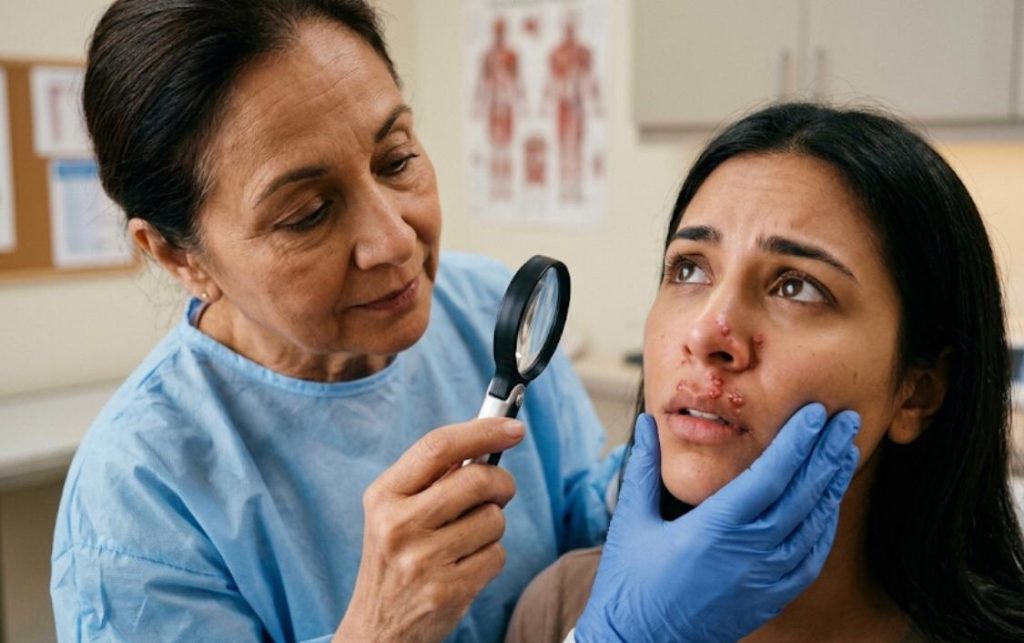
You can safely purchase valacyclovir online through verified telehealth platforms that connect you with licensed healthcare providers for appropriate medical evaluation and legitimate prescription issuance. Reputable services require medical history review, symptom assessment, and provider consultation before prescribing.
What is the actual transmission risk to my partner if I have genital herpes?Herpes simplex virus (HSV) remains one of the most prevalent viral infections worldwide, with the World Health Organization estimating that 3.7 billion people under age 50 carry HSV-1 and 491 million aged 15-49 live with HSV-2. These numbers have remained relatively stable over the past decade, though diagnostic awareness and treatment access have improved substantially.
After nearly two decades managing patients with HSV infections across diverse clinical settings, I’ve observed significant evolution in both patient education and therapeutic approaches. The stigma surrounding herpes has diminished somewhat, yet misinformation persists, creating barriers to proper care and transmission prevention.
HSV-1 versus HSV-2: Clinical Distinctions That Matter
While traditionally categorized as “oral herpes” (HSV-1) and “genital herpes” (HSV-2), this distinction has become increasingly blurred. Current epidemiological data shows HSV-1 now causes 30-50% of primary genital herpes cases in developed nations, particularly among younger adults.
Key clinical differences:
- HSV-1: Typically establishes latency in trigeminal ganglia; recurrences generally less frequent when causing genital infection; more commonly associated with ocular and central nervous system complications
- HSV-2: Establishes latency in sacral ganglia; higher recurrence rates for genital lesions (median 4-5 outbreaks annually without suppressive therapy); more efficient genital-to-genital transmission
The virus type matters less than patients often assume. What fundamentally impacts quality of life is outbreak frequency, symptom severity, transmission risk to partners, and psychological burden.
Transmission Dynamics: What Two Decades of Practice Has Taught Me
HSV transmission occurs through direct contact with viral particles shed from mucosal surfaces or skin lesions. The critical insight many patients lack: viral shedding occurs asymptomatically in the majority of transmission events.
Studies using daily PCR swabbing demonstrate:
- Genital HSV-2: Asymptomatic shedding occurs approximately 10-20% of days in untreated individuals
- Genital HSV-1: Lower asymptomatic shedding rates (approximately 5-10% of days)
- Oral HSV-1: Detectable shedding in saliva occurs 6-33% of days, varying by individual and time since acquisition
I’ve counseled hundreds of serodiscordant couples (one partner HSV-positive, the other negative) through the anxiety of transmission risk. The data provides reassurance: with proper precautions including daily suppressive antiviral therapy, condom use, and avoiding contact during outbreaks, transmission rates drop to approximately 1-2% annually.
One couple I followed for seven years exemplified this. The male partner had recurrent genital HSV-2 with 6-8 outbreaks yearly before suppressive therapy. Through consistent daily antiviral medication, condom use except when attempting conception, and excellent communication, his female partner remained HSV-negative throughout their relationship, including two planned pregnancies.
Clinical Presentation: Recognizing HSV Across Different Manifestations
Primary Genital Herpes: The Sentinel Episode
Primary genital herpes often presents dramatically, particularly when HSV-2 is the causative agent. Patients describe what I often hear as “the worst pain I’ve ever experienced down there.”
Classic primary outbreak features:
- Multiple painful vesicles on an erythematous base involving genital skin and mucosa
- Lesions progress through vesicular, pustular, and ulcerative stages over 7-10 days
- Constitutional symptoms: fever, malaise, myalgias, headache in 40-70% of cases
- Inguinal lymphadenopathy, often bilateral and tender
- Dysuria, urinary retention (particularly in females when lesions involve vulva and urethral meatus)
- Sacral paresthesias or neuralgias
- Total outbreak duration without treatment: 2-3 weeks from onset to complete healing
I vividly remember a 23-year-old graduate student who presented to urgent care with such severe genital pain and urinary retention that she required brief hospitalization for IV hydration and catheterization. Her primary HSV-2 outbreak involved extensive vulvar ulceration. This severity, while alarming, is characteristic of primary infection when the host lacks any pre-existing HSV antibodies.
Recurrent Genital Outbreaks: The Chronic Pattern
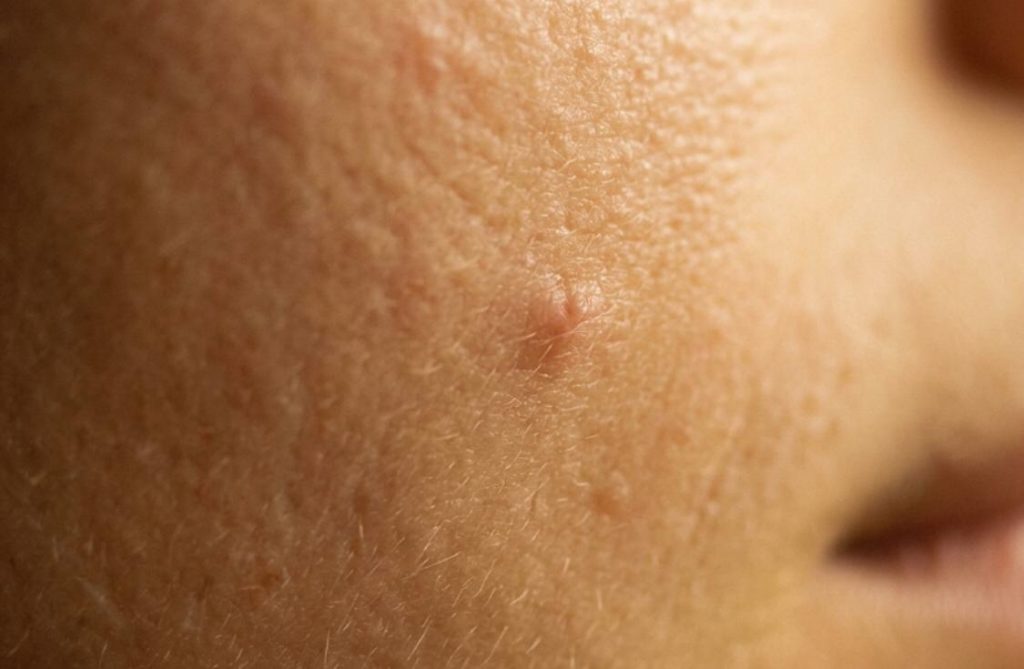
Recurrent episodes differ substantially from primary infection. After initial infection, HSV establishes lifelong latency in dorsal root ganglia. Periodic reactivation sends viral particles down sensory nerve fibers to skin, causing recurrent outbreaks.
Recurrent outbreak characteristics:
- Prodromal symptoms: tingling, itching, or burning at outbreak site 12-24 hours before lesion appearance
- Fewer lesions (often 3-5) in more localized distribution
- Milder systemic symptoms or none
- Shorter duration: 5-10 days from prodrome to healing without treatment
- Diminishing frequency and severity over years in many patients
Outbreak triggers vary individually but commonly include:
- Physiological stress or illness
- Immunosuppression
- Local genital trauma or irritation
- UV light exposure (for oral HSV-1)
- Hormonal fluctuations (menstruation-related recurrences reported by approximately 30% of women)
- Sleep deprivation
- Psychological stress
A 38-year-old patient of mine tracked her outbreaks meticulously for three years, identifying a clear pattern: recurrences appeared 2-3 days before menses, during periods of high work stress, and following intensive cycling workouts. This awareness allowed her to implement episodic antiviral therapy at the earliest prodromal symptoms, substantially reducing outbreak duration and severity.
Oral Herpes: Beyond “Cold Sores”
Orolabial HSV-1 affects most of my patients at some point in their lives. The typical presentation on the vermillion border of the lip (“cold sore” or “fever blister”) is universally recognized, but HSV-1 causes diverse oral manifestations.
Primary oral HSV-1 (herpetic gingivostomatitis):
Most commonly affects children but increasingly seen in young adults. Presents with:
- Widespread painful vesicles and ulcers throughout oral mucosa
- Severe odynophagia limiting oral intake
- Fever and malaise
- Cervical lymphadenopathy
- Duration: 10-14 days
Recurrent oral HSV-1:
- Classic lesion on lip vermillion border or adjacent skin
- Progression: prodrome → erythema → vesicles → crusting → healing over 7-10 days
- Intraoral recurrences less common, typically on keratinized mucosa (hard palate, gingiva)
Atypical and Severe HSV Manifestations
Herpetic Whitlow
HSV infection of the finger occurs through autoinoculation or direct contact. Before universal precautions, healthcare workers frequently developed herpetic whitlow from patient contact. I diagnose this several times annually, often in dental professionals, medical personnel, or individuals with oral HSV who bite their nails.

Presentation includes intense finger pain, swelling, erythema, and grouped vesicles on the finger pad. Without proper diagnosis, patients sometimes undergo unnecessary surgical drainage, which spreads infection and delays healing.To understand how the virus causes visible symptoms through activated inflammatory pathways, herpes patients should check out this resource.
Herpes Gladiatorum
HSV-1 transmission through contact sports, particularly wrestling, creates outbreaks on the head, neck, and upper extremities. Athletic programs now implement screening protocols, but cases still occur.
Eczema Herpeticum
Patients with atopic dermatitis face risk of widespread cutaneous HSV dissemination. This represents a dermatologic emergency requiring prompt systemic antiviral therapy and sometimes hospitalization.
I treated a 19-year-old with severe atopic dermatitis who developed explosive onset of hundreds of painful vesicles across her face, neck, and trunk three days after exposure to her boyfriend’s oral cold sore. She required IV acyclovir for five days, illustrating the severity possible in immunologically predisposed individuals.
HSV Encephalitis
The most serious HSV complication, HSV encephalitis requires immediate recognition and treatment. Presenting symptoms include fever, altered mental status, focal neurological deficits, and seizures. Even with appropriate IV acyclovir therapy, mortality reaches 15-20%, with significant neurological morbidity in survivors.
Neonatal Herpes
Vertical transmission during delivery creates devastating neonatal infection with disseminated disease, CNS involvement, and high mortality without treatment. Pregnant women with active genital lesions at labor onset require cesarean delivery. I work closely with obstetric colleagues on suppressive therapy protocols for pregnant women with recurrent genital HSV, dramatically reducing transmission risk.
When Clinical Diagnosis Suffices
Experienced clinicians recognize classic HSV presentations reliably. The grouped vesicles on an erythematous base, characteristic distribution, and typical time course often make laboratory confirmation unnecessary for management decisions.
However, several scenarios demand laboratory confirmation:
- Atypical presentations
- First episode of genital lesions (establishing HSV vs. other etiologies)
- Severe disease
- CNS or systemic involvement
- Pregnant patients
- Immunocompromised hosts
- Medico-legal considerations
Laboratory Diagnostic Methods
Viral Culture
Once the gold standard, viral culture has largely been supplanted by molecular methods. Sensitivity depends critically on lesion stage highest when vesicles are fresh and intact (approximately 70-80% sensitivity), dropping precipitously once lesions crust. Results typically require 3-7 days.
Comprehensive Treatment Strategies: Antiviral Therapy in 2026
First-Line Nucleoside Analogues
Three FDA-approved nucleoside analogues form the backbone of HSV treatment: acyclovir, valacyclovir (acyclovir prodrug), and famciclovir (penciclovir prodrug). These agents inhibit viral DNA polymerase, halting viral replication.
| Medication | Bioavailability | Dosing Frequency | Primary Advantages | Cost (Monthly Generic) |
|---|---|---|---|---|
| Acyclovir | 10-20% | 3-5 times daily | Longest safety track record, IV formulation available | $15-$30 |
| Valacyclovir | 54% | 1-2 times daily | Superior bioavailability, convenient dosing | $20-$50 |
| Famciclovir | 77% | 2-3 times daily | Highest bioavailability, effective for acyclovir-resistant strains | $30-$60 |
Episodic Therapy: Treating Active Outbreaks
Episodic antiviral therapy shortens outbreak duration by approximately 1-2 days and reduces symptom severity when initiated early during prodrome or within 24 hours of lesion onset.
Standard episodic regimens:
For genital herpes:
- Acyclovir 400 mg three times daily for 5 days, OR
- Acyclovir 800 mg twice daily for 5 days, OR
- Valacyclovir 500 mg twice daily for 3 days, OR
- Valacyclovir 1000 mg once daily for 5 days, OR
- Famciclovir 125 mg twice daily for 5 days, OR
- Famciclovir 1000 mg twice daily for 1 day
For orolabial herpes:
- Acyclovir 400 mg five times daily for 5 days, OR
- Valacyclovir 2000 mg twice daily for 1 day (12 hours apart), OR
- Famciclovir 1500 mg single dose
The single-day and single-dose regimens offer tremendous convenience. I prescribe valacyclovir 2000 mg twice daily for one day for oral cold sores frequently, with patients appreciating the simplicity. However, early initiation at the first prodromal symptom is absolutely necessary for efficacy.
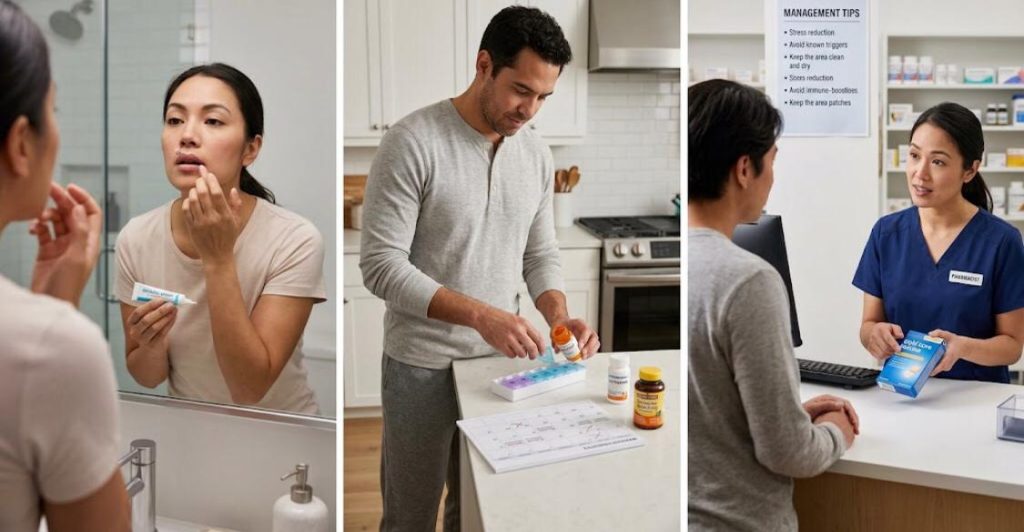
One patient keeps valacyclovir tablets in her medicine cabinet, purse, and desk drawer to ensure immediate access at the first tingling sensation on her lip. This preparation allows her to begin treatment within 30 minutes of symptom onset, typically aborting the outbreak before vesicle formation.
Chronic Suppressive Therapy: Preventing Recurrences
Daily suppressive antiviral therapy dramatically reduces outbreak frequency and asymptomatic viral shedding, thereby reducing transmission risk to partners.
Standard suppressive regimens:
- Acyclovir 400 mg twice daily
- Valacyclovir 500 mg once daily (for patients with ≤9 recurrences yearly)
- Valacyclovir 1000 mg once daily (for patients with ≥10 recurrences yearly)
- Famciclovir 250 mg twice daily
Clinical indications for suppressive therapy:
- Frequent recurrences (typically ≥6 per year) causing significant physical discomfort or psychological distress
- Serodiscordant couples seeking to reduce transmission risk
- Patients with severe outbreaks even if infrequent
- Individuals whose outbreaks substantially impact work or social functioning
- Pregnant women with history of genital HSV to reduce outbreak risk at delivery
Efficacy data:
In my practice, I’ve followed numerous patients on suppressive therapy for 5-15+ years continuously. The safety profile over extended duration is excellent, with no need for routine laboratory monitoring in immunocompetent patients after initial assessment.
The decision to pursue suppressive versus episodic therapy requires individualized discussion. I walk patients through the frequency and severity of their outbreaks, their relationship status and partner’s infection status, quality of life impact, medication cost and convenience considerations, and personal preferences regarding daily medication use.
Valacyclovir: First-Line Therapy and Safe Access in 2026
Valacyclovir remains the most commonly prescribed antiviral for HSV management in my clinical practice, and for excellent reasons. As the L-valyl ester prodrug of acyclovir, valacyclovir achieves 3-5 times higher plasma acyclovir concentrations compared to oral acyclovir administration, thanks to its 54% bioavailability versus acyclovir’s 10-20%.
This superior bioavailability translates to practical advantages: convenient once or twice-daily dosing improves adherence compared to acyclovir’s 3-5 times daily regimen. The medication’s efficacy and safety profile have been established through decades of clinical use and extensive research trials.
Clinical Applications and Dosing Flexibility
Valacyclovir’s versatility allows tailored approaches:
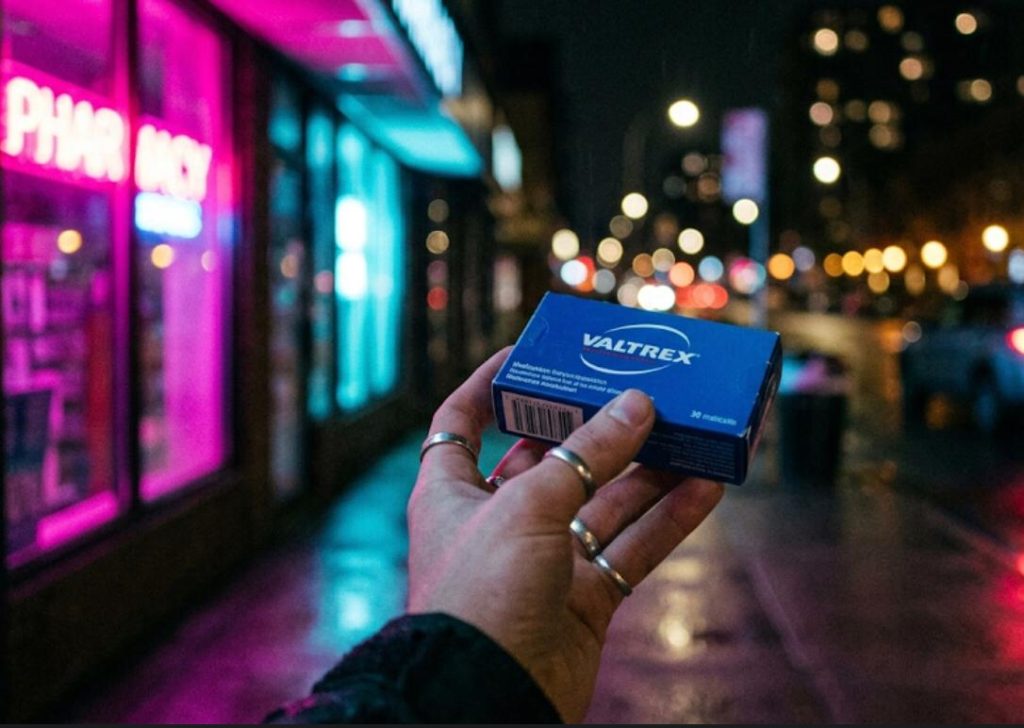
- Episodic therapy flexibility: The one-day 2000 mg twice-daily regimen for oral cold sores provides rapid treatment completion
- Suppressive therapy options: 500 mg vs. 1000 mg daily dosing based on outbreak frequency
- Transmission reduction: Specifically studied and FDA-approved for reducing transmission to uninfected partners
- Safety in pregnancy: Designated Pregnancy Category B with substantial safety data in pregnant women
Accessing Valacyclovir Safely: A Clinical Perspective
Patients frequently inquire about medication access, particularly those without convenient healthcare access or those seeking cost savings. When individuals ask how to buy valacyclovir online or purchase valacyclovir through internet pharmacies, I emphasize several critical points.
Many patients successfully buy prescription valacyclovir through verified online pharmacies affiliated with legitimate telehealth platforms. The key is ensuring the pharmacy requires a valid prescription from a licensed US provider and carries appropriate credentials.
Red flags indicating unsafe sources:
- Offers to purchase valacyclovir without any prescription or medical evaluation
- International online pharmacies selling medication without US provider oversight
For patients seeking to acquire or secure a supply of valacyclovir economically, I guide them toward legitimate discount programs and patient assistance resources:
- Manufacturer copay cards: Available for brand Valtrex when generic is not covered
Generic valacyclovir costs typically range from $20-$50 monthly for suppressive therapy at most US pharmacies, making it highly affordable for the vast majority of patients. When patients explore how to buy valacyclovir online, the pricing through verified internet pharmacies is generally comparable to retail locations.
Frequently Asked Questions
Can herpes be completely cured, or is it a lifelong infection?
Herpes simplex virus establishes lifelong latent infection in nerve ganglia and cannot be cured with currently available treatments. However, antiviral medications effectively control outbre
Transmission risk to an uninfected partner varies based on several factors including virus type, sex of infected partner, and prevention strategies employed. Without any preventive measures, annual transmission risk from infected male to uninfected female is approximately 10% for HSV-2; from infected female to uninfected male approximately 4-5%. Using combined prevention strategies including daily suppressive antiviral therapy, consistent condom use, and abstinence during outbreaks reduces transmission risk by 75-90%, to approximately 1-2% annually.
How soon after exposure do herpes symptoms appear, and when should I get tested?
For primary HSV infection, symptoms typically appear 2-12 days after exposure, with an average of 4 days for initial symptom onset. However, many people never develop noticeable symptoms or experience such mild symptoms they don’t recognize them as HSV infection. If you have lesions suspicious for herpes, PCR testing of lesion swabs provides immediate diagnosis. For serological testing to detect HSV antibodies, you must wait 12-16 weeks after potential exposure to allow adequate time for antibody development (seroconversion), as testing earlier may produce false-negative results despite infection.
Does having oral herpes mean I will definitely get genital herpes, or are they completely separate?
Having oral HSV-1 provides partial immunological protection against acquiring genital HSV-1, though it doesn’t completely prevent genital HSV-1 infection and provides no protection against HSV-2. Oral HSV-1 antibodies can reduce symptom severity if genital HSV-1 is subsequently acquired. The viruses are not “separate” HSV-1 can infect either oral or genital sites, and HSV-2 can also infect either location (though preferentially infects genitally).