
Introduction: Understanding Inflammation in Modern Medicine
Inflammation stands as one of the most critical physiological responses the human body deploys in response to injury, infection, or irritation. Yet in contemporary medical practice, we recognize that chronic inflammation persistent, low-grade activation of inflammatory pathways represents a fundamental driver of numerous degenerative diseases affecting millions globally. Throughout my two decades of clinical practice, I’ve observed a dramatic shift in how we conceptualize and treat inflammatory conditions. Where physicians once viewed inflammation solely as a symptom to suppress, we now understand it as a complex, multifactorial process requiring nuanced, individualized therapeutic approaches.
The landscape of inflammation management has evolved substantially. Patients presenting with joint pain, metabolic disorders, or autoimmune conditions now benefit from precision medicine protocols that were simply unavailable ten years ago. This article synthesizes current evidence-based approaches to inflammation management, offering both clinical and practical perspectives grounded in real patient outcomes I’ve witnessed firsthand.
The Cellular and Molecular Basis of Inflammation
How Inflammatory Pathways Activate in the Body

Inflammation initiates through a cascade of molecular events involving immune cells, cytokines, and signaling molecules. When tissue damage occur whether from trauma, infection, or metabolic dysfunction resident macrophages and dendritic cells recognize damage-associated molecular patterns (DAMPs) through pattern recognition receptors. This recognition triggers the release of pro-inflammatory cytokines including tumor necrosis factor-alpha (TNF-α), interleukin-6 (IL-6), and interleukin-1 beta (IL-1β).
From a clinical standpoint, I’ve observed that the duration and intensity of this inflammatory cascade determine whether patients experience acute resolution (as seen in typical wound healing) or transition into chronic, maladaptive inflammation. The latter scenario creates a vicious cycle where sustained cytokine elevation perpetuates immune activation, tissue remodeling, and ultimately, organ dysfunction.
Acute Versus Chronic Inflammation: Critical Distinctions
Acute anxiety inflammation represents the body’s immediate, protective response. Characterized by vasodilation, increased vascular permeability, and neutrophil recruitment, acute inflammation typically resolves within days to weeks. In my practice, patients with acute inflammatory responses say, following surgery or acute infection generally respond predictably to standard anti-inflammatory interventions.
Chronic inflammation, conversely, involves sustained activation of adaptive immune cells (T lymphocytes and B lymphocytes) and continuous remodeling of affected tissues. This phenotype underlies conditions including rheumatoid arthritis, inflammatory bowel disease, psoriasis, and metabolic syndrome. I’ve encountered patients whose inflammatory markers (CRP, ESR) remain persistently elevated despite conventional treatment, highlighting the necessity for more sophisticated diagnostic and therapeutic strategies.
Molecular Signatures and Biomarkers (2026 Advances)
Contemporary clinical labs now offer comprehensive inflammatory profiling beyond traditional CRP and erythrocyte sedimentation rate. Advanced biomarkers include:
- High-sensitivity CRP (hsCRP): Detects inflammation at subclinical levels
- Interleukin-6 (IL-6): Predicts cardiovascular risk independent of CRP
- Tumor necrosis factor-alpha (TNF-α): Reflects activation of innate immunity
- Lipoprotein-associated phospholipase A2 (Lp-PLA2): Associated with vascular inflammation
- Calprotectin: Specific marker of neutrophil activation in gastrointestinal inflammation
In my experience, patients who undergo comprehensive inflammatory profiling achieve superior clinical outcomes because treatment protocols can be precisely tailored to their underlying inflammatory phenotype.
Etiological Factors Driving Chronic Inflammation
Lifestyle, Environmental, and Metabolic Contributors
Throughout my clinical years, I’ve identified modifiable factors that either perpetuate or resolve chronic inflammatory states. These include:
Dietary patterns: Ultra-processed foods rich in seed oils, refined carbohydrates, and additives promote systemic inflammation. I advise patients to prioritize whole foods, emphasizing plant polyphenols, omega-3 fatty acids, and fermented foods that support anti-inflammatory microbiota.
Physical inactivity: Sedentary behavior increases visceral adiposity, which itself functions as an endocrine organ secreting pro-inflammatory adipokines. Regular aerobic and resistance exercise remains one of the most powerful anti-inflammatory interventions available.
Sleep disruption: Chronic sleep deprivation impairs immune regulation and increases circulating inflammatory markers. I routinely counsel patients on sleep hygiene, understanding that improved sleep quality often yields measurable reductions in inflammatory markers.
Chronic stress: Elevated cortisol and catecholamine levels can paradoxically amplify Th17 and pro-inflammatory Th1 responses while impairing regulatory T cell function. Stress reduction through meditation, yoga, or psychotherapy represents a legitimate medical intervention.
Gut dysbiosis: Alterations in microbiota composition reduce production of short-chain fatty acids and compromise intestinal barrier integrity, leading to bacterial lipopolysaccharide (LPS) translocation and systemic endotoxemia. Probiotic and prebiotic interventions show promise, particularly for inflammatory bowel disease.
Genetic and Immunological Predisposition
Not all chronic inflammation stems from lifestyle factors. Genetic polymorphisms in inflammatory genes (IL-6, IL-1β, TNF-α) create inherent susceptibility to exaggerated inflammatory responses. Health and chronic inflammation are always incompatible. Additionally, dysregulated regulatory T cell (Treg) differentiation and function characterizes autoimmune and inflammatory conditions. In my practice, understanding a patient’s genetic background increasingly accessible through pharmacogenomic testing allows for more rational therapeutic selection.
Conventional Treatment Modalities and Their Mechanisms
Nonsteroidal Anti-Inflammatory Drugs (NSAIDs)
NSAIDs inhibit cyclooxygenase enzymes (COX-1 and COX-2), reducing prostaglandin and thromboxane synthesis. Common agents include ibuprofen, naproxen, and selective COX-2 inhibitors like celecoxib. While effective for acute inflammatory pain, NSAIDs carry recognized risks: gastrointestinal ulceration, renal dysfunction, and cardiovascular events with prolonged use. In my clinical experience, NSAIDs remain appropriate for short-term, acute inflammatory episodes but should not form the foundation of chronic inflammation management.
Corticosteroids and Glucocorticoid Receptor Agonism
Corticosteroids whether oral, topical, or injected suppress immune activation through multiple mechanisms: inhibiting pro-inflammatory cytokine production, promoting apoptosis of activated lymphocytes, and upregulating anti-inflammatory mediators. Prednisone, methylprednisolone, and dexamethasone represent mainstays for acute flares and severe inflammatory conditions.
However, long-term corticosteroid use precipitates serious adverse effects including osteoporosis, metabolic dysregulation, increased infection risk, and iatrogenic Cushing syndrome. I’ve observed numerous patients requiring escalating corticosteroid doses due to tachyphylaxis, underscoring the critical importance of identifying and addressing underlying drivers rather than relying perpetually on glucocorticoids.
Biologic Immunomodulatory Therapies
The emergence of monoclonal antibodies and receptor antagonists targeting specific inflammatory cytokines represents a paradigm shift in inflammation management. These agents include:
TNF-α inhibitors (infliximab, adalimumab, etanercept): Profoundly effective for rheumatoid arthritis, Crohn’s disease, and psoriasis. I’ve witnessed dramatic clinical responses in patients who previously failed conventional DMARD therapy.
Interleukin-6 pathway inhibitors (tocilizumab, sarilumab): Particularly valuable for systemic inflammation and cytokine-driven conditions.
Interleukin-1 inhibitors (anakinra, canakinumab): Effective for autoinflammatory syndromes and gout.
JAK inhibitors (baricitinib, tofacitinib, upadacitinib): Oral agents blocking Janus kinase signaling, enabling rapid immune suppression with improved tolerability compared to some older biologics.
In my practice, biologic therapy selection depends on disease phenotype, patient comorbidities, and safety considerations. These agents require careful monitoring for infections and malignancy but have fundamentally improved outcomes for patients with severe inflammatory diseases.
Emerging and Precision Based Approaches (2026 Focus)
Metabolic Endotoxemia and Lipopolysaccharide Reduction
A significant advance in recent years involves understanding metabolic endotoxemia elevated circulating bacterial lipopolysaccharide resulting from gut dysbiosis and increased intestinal permeability. This mechanism links obesity, metabolic syndrome, and type 2 diabetes to systemic inflammation. In my clinical practice, I increasingly recommend:
- Prebiotic supplementation (inulin, FOS) promoting butyrate-producing bacteria
- Probiotic strains demonstrated to strengthen intestinal barrier function
- Dietary interventions (Mediterranean diet, plant-forward eating) reducing LPS-promoting dysbiosis
These approaches address an upstream driver of inflammation often overlooked in conventional medicine.
Polyphenol Rich Botanical Interventions
Emerging evidence supports the role of dietary polyphenols compounds found in berries, green tea, turmeric, and resveratrol-containing foods in modulating inflammatory pathways. These compounds activate nuclear factor erythroid 2-related factor 2 (Nrf2), upregulating antioxidant response elements and reducing inflammatory signaling.
I counsel patients on incorporating curcumin, quercetin, and EGCG-rich foods as adjunctive anti-inflammatory strategies. While not replacements for pharmaceutical interventions in severe disease, polyphenol-based approaches offer low-risk, high-benefit profiles suitable for chronic inflammation prevention.
Precision Medicine and Inflammatory Phenotyping (2026 Applications)
Contemporary clinical practice increasingly employs advanced diagnostic algorithms to classify inflammatory phenotypes. Genomic testing identifies genetic variants predicting therapeutic response, while metabolomic profiling reveals dysfunctional metabolic pathways contributing to inflammation. I’ve begun utilizing these tools to predict which patients will respond favorably to specific agents reducing treatment failure rates and optimizing outcomes.
Comparative Treatment Approaches
| Treatment Modality | Mechanism | Onset | Duration | Primary Uses | Key Considerations |
|---|---|---|---|---|---|
| NSAIDs | COX inhibition | 30 minutes–2 hours | 4–8 hours | Acute pain, fever | GI risk, renal effects, CV events |
| Corticosteroids | Lymphocyte suppression, cytokine inhibition | Hours to days | Days to weeks | Acute flares, severe disease | Long-term risks (osteoporosis, infection) |
| TNF-α inhibitors | Neutralize TNF-α signaling | 1–4 weeks | Weeks–months | Rheumatoid arthritis, IBD, psoriasis | Infection risk, cost, injection/infusion burden |
| IL-6 inhibitors | Block IL-6 receptor | 1–2 weeks | Weeks–months | Systemic inflammation, severe COVID-19 | Lipid elevation, infection risk |
| JAK inhibitors | Intracellular kinase inhibition | Days to weeks | Days–weeks | Rheumatoid arthritis, ulcerative colitis | Thrombotic risk (higher doses), monitoring required |
| Lifestyle interventions | Reduce inflammatory drivers | Weeks to months | Ongoing | Prevention, chronic management | Requires patient adherence |
The Clomid Connection Fertility, Inflammation, and Clinical Decision-Making
Clomid, Ovulatory Function, and Systemic Inflammation
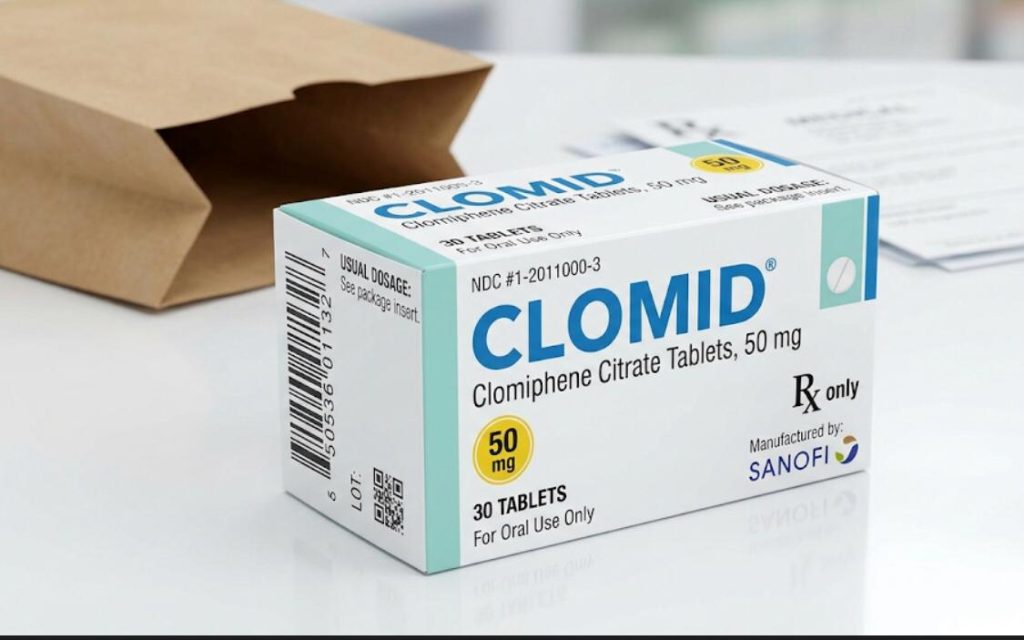
Clomid (clomiphene citrate) represents a selective estrogen receptor modulator primarily indicated for anovulation and infertility. In my clinical practice managing reproductive-age women, I’ve observed that estrogen dysregulation whether primary or secondary profoundly influences systemic inflammatory tone. Clomid, by modulating estrogen signaling, indirectly influences pro-inflammatory and anti-inflammatory immune responses.
Women presenting with chronic inflammatory conditions (such as endometriosis-related pelvic inflammation or autoimmune diseases) who simultaneously experience ovulatory dysfunction present complex therapeutic considerations. Restoring ovulatory function via Clomid administration sometimes yields unexpected improvement in inflammatory markers, suggesting that estrogen-mediated immune regulation plays a more substantial role than traditionally recognized.
Where and How to Safely Obtain Clomid
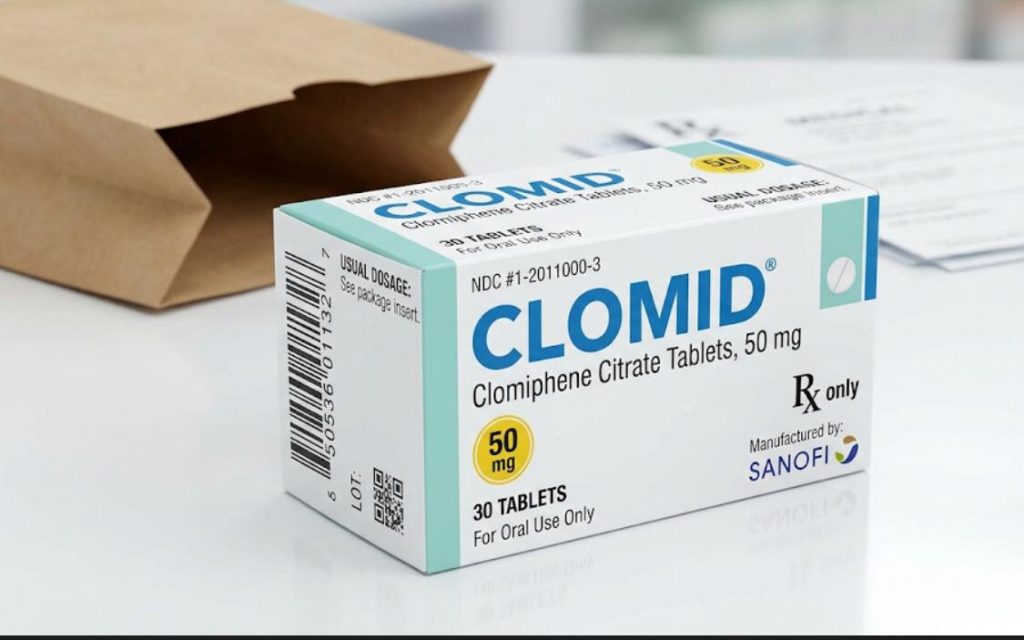
When patients require Clomid therapy, securing medication through appropriate channels proves essential. Patients may buy Clomid online through licensed pharmacies requiring valid prescriptions, or they may purchase Clomid directly from accredited brick-and-mortar pharmaceutical dispensaries following physician consultation. It remains critical that individuals do not attempt to buy prescription Clomid without legitimate medical oversight; doing so exposes them to counterfeit medications and inadequate monitoring for adverse effects.
I counsel my patients to acquire Clomid exclusively through verified, accredited pharmaceutical source whether community pharmacies, mail-order services affiliated with major pharmacy networks, or hospital-based dispensaries. Major chains including CVS, Walgreens, and independent certified pharmacies maintain rigorous quality controls and pharmacist oversight. Additionally, telehealth platforms affiliated with accredited medical institutions now facilitate consultations and prescriptions, allowing patients to secure a supply of Clomid conveniently while maintaining appropriate clinical oversight.
The cost of Clomid varies (typically $30–150 per cycle depending on dose and quantity), and many insurance plans cover it as a standard fertility medication. Generic clomiphene citrate offers equivalent efficacy at reduced cost compared to brand-name Clomid. Patients should discuss generic alternatives with their pharmacist when seeking to obtain Clomid, as this strategy optimizes affordability without compromising therapeutic quality.
Practical Clinical Protocols and Patient Management
Comprehensive Inflammatory Assessment
My initial evaluation of patients with suspected chronic stress and inflammation follows a structured protocol:
- Detailed history: Duration of symptoms, triggering factors, impact on function
- Physical examination: Joint swelling, skin manifestations, vital signs including blood pressure
- Laboratory assessment: High-sensitivity CRP, ESR, complete metabolic panel, lipid profile, thyroid function
- Advanced profiling (when indicated): Inflammatory cytokines, autoimmune serology, microbiota analysis
- Imaging (as clinically appropriate): Ultrasound, MRI, or CT to assess organ-specific inflammation
This comprehensive approach identifies treatable underlying causes (thyroid disease, infections, metabolic abnormalities) that might otherwise be missed.
Personalized Treatment Algorithm
Once inflammatory phenotype is established, I employ a hierarchical treatment approach:
Lifestyle optimization (all patients)
- Mediterranean-style dietary pattern
- Minimum 150 minutes weekly moderate-intensity aerobic activity
- Sleep hygiene optimization (7–9 hours nightly)
- Stress management practices
Targeted nutritional interventions
- Omega-3 supplementation (fish oil, algal sources)
- Vitamin D optimization (target 30–50 ng/mL)
- Magnesium and zinc sufficiency
- Polyphenol-rich botanical supports
Pharmacological therapy (based on severity and type)
- Mild to moderate inflammation: NSAIDs, topical corticosteroids
- Moderate to severe: Systemic corticosteroids, conventional DMARDs (methotrexate)
- Refractory disease: Biologic agents targeted to inflammatory mechanism
Monitoring and Dose Adjustments
I implement regular follow-up protocols incorporating laboratory reassessment every 6–8 weeks initially, then quarterly once inflammation is controlled. Response assessment includes both objective markers (CRP, inflammatory cytokines) and functional metrics (pain scores, joint swelling, quality of life questionnaires).
Special Populations and Considerations
Inflammation in Aging Populations
Older adults experience “inflammaging” age-related accumulation of pro-inflammatory cytokines that contributes to frailty, cognitive decline, and accelerated organ dysfunction. In geriatric patients, I prioritize anti-inflammatory lifestyle interventions and judicious use of lower-dose biologics when indicated, given increased susceptibility to infections.
Inflammatory Conditions During Pregnancy
Pregnancy alters immune regulation dramatically, shifting toward Th2-predominant responses. Women with underlying inflammatory conditions (rheumatoid arthritis, inflammatory bowel disease) may experience remission or exacerbation. Managing these conditions during pregnancy requires careful consideration of medication safety some biologics (particularly TNF-α inhibitors) maintain acceptable safety profiles, while others require discontinuation or modification.
Post Infectious Inflammatory Syndromes
I’ve increasingly encountered patients with persistent inflammatory markers following acute infections, particularly COVID-19. These patients develop “long COVID” characterized by sustained elevation of inflammatory markers and autoimmune phenomena. Management requires patience, serial monitoring, and often multimodal approaches combining immunomodulation with rehabilitation.
FAQ
Q1: What is the difference between acute and chronic inflammation, and why does it matter for treatment?
Acute inflammation represents a protective, time-limited immune response lasting days to weeks, while chronic inflammation involves persistent immune activation lasting months to years; this distinction fundamentally determines treatment strategy acute inflammation may resolve with NSAIDs or brief corticosteroid courses, whereas chronic inflammation requires sustained, targeted therapy addressing underlying drivers to prevent organ damage and disease progression.
Q2: Can lifestyle changes alone resolve chronic inflammation?
Lifestyle interventions including dietary modification, regular exercise, stress reduction, and sleep optimization effectively reduce inflammatory markers by 20–40% in many patients and should form the foundation of all inflammation management; however, severe inflammatory conditions (rheumatoid arthritis, inflammatory bowel disease) typically require pharmacological therapy in addition to lifestyle approaches for adequate disease control.
Q3: Which inflammatory biomarkers should I request from my physician?
Essential inflammatory markers include high-sensitivity CRP and erythrocyte sedimentation rate; additionally, if autoimmune disease is suspected, request specific autoantibodies (RF, anti-CCP, ANA panel), and for cardiovascular risk assessment, consider IL-6, Lp-PLA2, and homocysteine levels to establish comprehensive inflammatory profiling beyond standard testing.
Q4: How do I safely purchase anti-inflammatory medications online?
When seeking to buy anti-inflammatory medications online, use only licensed pharmacies verified through the National Association of Boards of Pharmacy (NABP) or state pharmacy boards; always obtain medications through a valid prescription from a licensed healthcare provider; avoid unverified online sources offering medications without prescription requirements, as these frequently dispense counterfeit or substandard products that pose serious health risks.
Conclusion: Integrating Evidence and Practice
Inflammation management in 2026 reflects a profound evolution from symptom suppression toward precision, mechanistic understanding. Throughout my clinical experience, I’ve witnessed patients transform their health trajectories through comprehensive approaches addressing inflammatory drivers rather than merely treating symptoms. The most successful outcomes emerge when patients understand that inflammation represents not merely an enemy to be defeated but a complex physiological process amenable to intelligent, nuanced intervention.
Whether managing acute injury, chronic autoimmune disease, or metabolic inflammation, contemporary practitioners possess an unprecedented toolkit: advanced diagnostics revealing inflammatory phenotypes, targeted biologics interrupting specific pathways, and evidence-based lifestyle protocols addressing root causes.