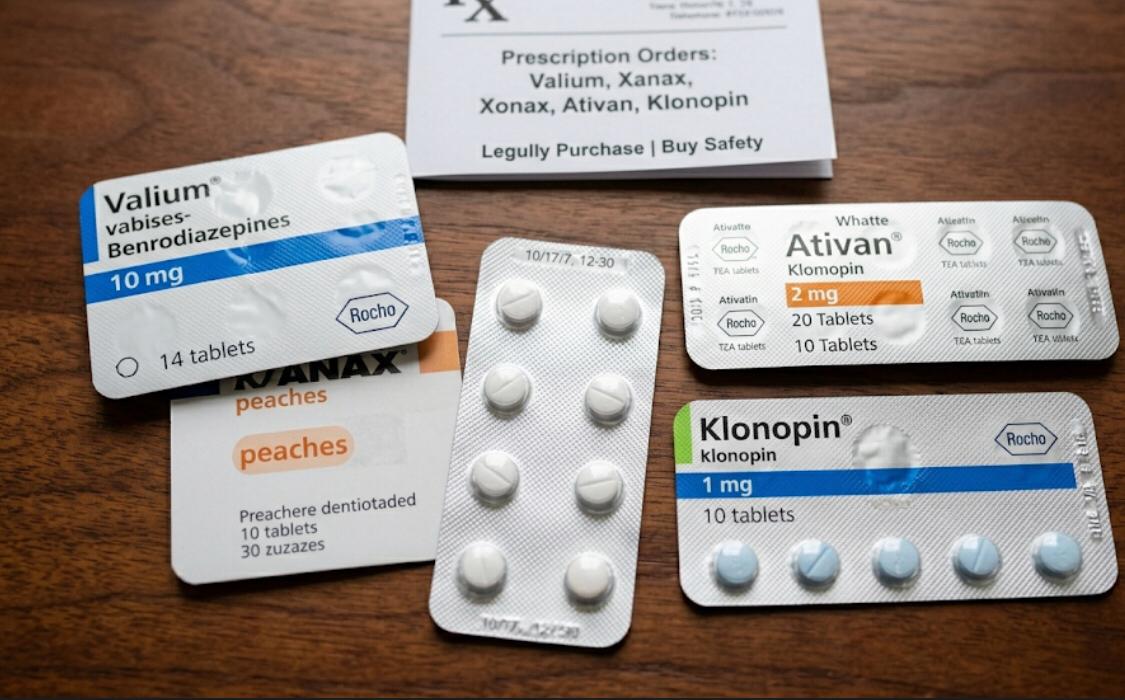
Understanding Benzodiazepines and Why 2026 Guidelines Have Tightened
Benzodiazepines are a class of central nervous system depressants that enhance the activity of gamma-aminobutyric acid (GABA), the brain’s primary inhibitory neurotransmitter. By binding to GABA-A receptors, these medications slow down neural firing, which produces their well-known calming, sedative, muscle-relaxing, and anticonvulsant effects. They’ve been prescribed for decades to treat acute anxiety, certain seizure disorders, alcohol withdrawal, and short-term insomnia.
What’s changed heading into 2026 is the emphasis on duration. Where benzodiazepines were once handed out for months or years at a stretch, current prescribing standards from major psychiatric and primary care bodies frame them almost exclusively as short-term tools typically two to four weeks reserved for situations where rapid symptom relief matters more than long-term management. The shift reflects a growing body of evidence on tolerance, physical dependence, and the genuinely difficult withdrawal process that can follow even modest periods of regular use.
I’ve sat across from patients who started a benzodiazepine after a stressful life event a divorce, a hospitalization, a death in the family with every intention of using it “just for a little while.” Many did exactly that and tapered off without incident. But a meaningful subset found that the medication quietly became load-bearing: sleep didn’t happen without it, anxiety spiked the moment a dose was late, and stopping felt impossible without medical support. That pattern is exactly what 2026 guidance is trying to prevent through more cautious initial prescribing and earlier conversations about exit strategies.
How Benzodiazepines Work in the Brain and Body
GABA receptors are distributed throughout the brain, particularly in regions involved in fear processing, arousal, and motor control. Benzodiazepines don’t create GABA or directly activate these receptors on their own instead, they act as positive allosteric modulators, meaning they make the receptor more responsive when GABA is already present. This is part of why benzodiazepines are relatively safe in isolation compared to drugs like barbiturates, which can activate GABA receptors directly even without GABA present, producing a much narrower margin between a therapeutic dose and a dangerous one.
Onset, Duration, and Half-Life Differences
Not all benzodiazepines behave the same way once they’re in the body, and this matters clinically. Some are absorbed quickly and reach peak blood levels within an hour, making them useful for acute panic. Others build up slowly and stick around for days, which can be useful for steady anxiety control but increases the risk of accumulation, especially in older adults or people with reduced liver function.
Why Half-Life Matters for Withdrawal
Shorter-acting benzodiazepines tend to produce more intense withdrawal symptoms that appear sooner after the last dose, because blood levels drop quickly. Longer-acting agents taper off more gradually on their own, which is one reason clinicians sometimes switch a patient from a short-acting benzodiazepine to a longer-acting equivalent before beginning a taper it smooths out the troughs that drive rebound anxiety and cravings.
Comparing Common Benzodiazepines
| Medication (generic name) | Typical Onset | Approximate Half-Life | Common Clinical Uses |
| Alprazolam | Fast (15-30 min) | Short (6-12 hours) | Panic disorder, acute anxiety |
| Lorazepam | Intermediate (20-30 min) | Intermediate (10-20 hours) | Acute anxiety, pre-procedure sedation, seizure emergencies |
| Clonazepam | Intermediate (20-60 min) | Long (30-40 hours) | Panic disorder, certain seizure types |
| Diazepam | Fast (15-30 min) | Long (20-100 hours, including active metabolites) | Muscle spasm, alcohol withdrawal, seizures |
These figures are general ranges drawn from pharmacology references and can vary based on age, liver function, and other medications a person is taking. They’re meant to illustrate relative differences, not to substitute for a prescriber’s guidance on any individual’s regimen.
Anxiety and panic disorders affect millions of people worldwide. When clinical anxiety disrupts daily life, healthcare providers often turn to a specific class of medications known as benzodiazepines. While many people mistake them for traditional antidepressants, drugs like Valium, Xanax, Ativan, and Klonopin are fast-acting central nervous system depressants designed to calm nerves and reduce severe anxiety symptoms.
If you are looking to understand these medications or need a guide before you secure a prescription to buy Valium online or order Xanax legally, this article provides a detailed breakdown of their uses, differences, and essential safety guidelines.
What are Benzodiazepines and How Do They Work?
Benzodiazepines work by enhancing the effects of a natural chemical in the body called GABA (gamma-aminobutyric acid). GABA is an inhibitory neurotransmitter, meaning it slows down brain activity and produces a calming, tranquilizing effect.While antidepressants are usually taken daily for months to see results, benzodiazepines work almost immediately. Because of their fast-acting nature, many patients seek a legal purchase of Ativan or order Klonopin for acute panic attacks, severe muscle spasms, or short-term insomnia.
Detailed Breakdown of the Top 4 Medication.
1. Xanax (Alprazolam)
Xanax is perhaps the most well-known and frequently prescribed medication for acute panic disorders and generalized anxiety disorder (GAD).
How it works: Xanax is exceptionally fast-acting, often providing relief within 20 to 30 minutes. However, it has a short half-life, meaning it leaves the body quickly.
Best used for: Sudden panic attacks.
Consumer Insights: Due to its high popularity, many patients frequently search for ways to buy Xanax online with a prescription. Because it acts fast and fades quickly, it carries a higher risk of dependency compared to longer-acting alternatives. Therefore, you should only purchase Xanax under strict medical supervision.
2. Valium (Diazepam)
Valium is one of the classic medications in this category, known for its long-lasting effects and versatile medical applications.
How it works: Unlike Xanax, Valium has a very long half-life. It stays in the system for days, providing a smoother, more extended calming effect.
Best used for: Generalized anxiety, muscle spasms, alcohol withdrawal, and seizure control.
Consumer Insights: Patients who need long-term stability throughout the day often prefer this option. When looking to order Valium through a licensed pharmacy, it is vital to check the exact dosage. As its long-lasting nature can lead to accumulation in the body, causing drowsiness the next day.
3. Ativan (Lorazepam)
Ativan is highly favored in clinical and hospital settings because of its clean metabolic profile and reliable sedative qualities.
How it works: It features an intermediate onset and duration. It is stronger than Valium but does not stay in the body as long, making it easier to manage for elderly patients or those with liver issues.
Best used for: Severe anxiety, pre-surgery sedation, and insomnia caused by stress.
Consumer Insights: If your doctor prescribes this medication. You can easily purchase Ativan from a local drugstore or order Ativan via certified e-pharmacies to manage sudden bouts of intense stress or sleep disturbances.
4. Klonopin (Clonazepam)
Klonopin balances the fast-acting relief of Xanax with the long duration of Valium, making it an excellent option for chronic panic disorders.How it works: It begins working within an hour and its effects can last up to 12 hours. It provides an all-day shield against panic attacks.
Best used for: Panic disorder, agoraphobia, and certain types of seizure disorders.
Consumer Insights: For individuals dealing with daily, unpredictable panic triggers, a prescription to buy Klonopin online safely can significantly improve quality of life by preventing attacks before they start.
Comparing the Key Differences
Safe Practices:
Because Valium, Xanax, Ativan, and Klonopin are classified as controlled substances, it is illegal and highly dangerous to obtain them without a valid prescription from a doctor.
Avoid Unauthorized Sources
When looking to buy anti-anxiety medication online, you must avoid rogue websites that offer to sell these pills without a prescription. Counterfeit pills are a major global risk and can contain dangerous substances.
1 .Consult a Doctor: Get a proper diagnosis and an official prescription.
2. Choose Certified Pharmacies: Only purchase Valium or order Xanax from verified, licensed physical or digital pharmacies.
3 .Follow the Dosage: Never increase your dose without consulting your physician, as benzodiazepines can be habit-forming if misused.Valium, Xanax, Ativan, and Klonopin are powerful. Effective tools for managing severe anxiety and panic when used correctly. Whether you need to buy Klonopin for ongoing panic prevention or purchase Ativan for temporary situational stress, always prioritize safety, follow expert medical advice. Use trusted pharmacies for all your medical order.
Why Long-Term Benzodiazepine Use is Discouraged

The clearest, least controversial uses remain situations with a defined endpoint. Managing alcohol withdrawal in a medically supervised setting, calming acute agitation before a medical procedure. Controlling status epilepticus, or bridging the gap while an antidepressant or other longer-term treatment for anxiety or depression takes effect (SSRIs and SNRIs often take four to six weeks to show full benefit. A short benzodiazepine course can help someone get through that window).
When They’re Generally Discouraged
Long-term, open-ended prescribing for generalized anxiety disorder has fallen out of favor, largely because cognitive behavioral therapy. Certain antidepressants produce comparable or better outcomes over time without the dependence risk. Benzodiazepines are also generally avoided as a primary treatment for insomnia beyond a few weeks, given the availability of behavioral approaches and other medications with lower dependence potential.
Special Caution in Older Adults
People over 65 process benzodiazepines more slowly. These drugs are strongly linked to increased fall risk, cognitive impairment, and motor vehicle accidents in this population. The Beers Criteria, a widely referenced list of medications that warrant extra caution in older adults. Has flagged benzodiazepines for years, and 2026 geriatric prescribing guidance continues to recommend avoiding them when possible or using the lowest effective dose for the shortest possible time if no alternative exists.
The Difference Between Dependence and Addiction
Physical dependence can develop with consistent benzodiazepine use even when a person takes the medication exactly as prescribed and has no history of substance misuse. Dependence means the body has adapted to the drug’s presence and reacts when it’s removed. Addiction involves compulsive use despite harm and is a separate, though sometimes overlapping, phenomenon.
The combination of benzodiazepines and opioids is one of the most significant drivers of overdose deaths involving prescription medications.
Alcohol and Other Sedatives
Alcohol amplifies benzodiazepine sedation through overlapping mechanisms, and the combination increases the risk of impaired coordination. Memory blackouts, and respiratory depression. The same caution applies to other sedating medications, including some sleep aids, muscle relaxants, and certain antihistamines.
Pregnancy and Breastfeeding Considerations
Benzodiazepine use during pregnancy requires individualized risk-benefit discussion with an obstetric provider. Some studies have suggested associations with certain birth outcomes when used in specific trimester. Though the overall evidence is mixed and confounded by the conditions being treated. Use late in pregnancy has been associated with floppy infant syndrome in newborns. Characterized by poor muscle tone and feeding difficulties shortly after birth.
For breastfeeding, smaller, shorter-acting doses used occasionally are generally considered lower risk than regular, higher-dose use of longer-acting agents. But this is a conversation to have directly with a prescriber familiar with the full clinical picture.
Alternatives Worth Discussing With a Prescriber
For Anxiety
SSRIs and SNRIs remain first-line for generalized anxiety disorder and panic disorder when long-term treatment is needed, despite their slower onset. Buspirone is a non-habit-forming option for generalized anxiety that some patients tolerate well. Though it tends to be less effective for panic symptoms. Cognitive behavioral therapy, particularly exposure-based approaches for panic and phobias. Has durable evidence behind it and doesn’t carry pharmacological dependence risk.
For Insomnia
Cognitive behavioral therapy for insomnia (CBT-I) is now widely recommended as a first-line approach and has shown effectiveness comparable to medication for many people. With effects that tend to last longer after treatment ends Certain non-benzodiazepine sleep medications and melatonin receptor agonists are sometimes used as alternatives. Each with their own side effect profiles worth discussing individually.
Practical Guidance for Anyone Currently Prescribed a Benzodiazepine
Take the medication exactly as directed. If a dose stops working as well as it used to, bring that up with a prescriber rather than increasing the dose independently tolerance is a signal worth discussing, not a problem to self-correct
Avoid combining the medication with alcohol or other sedating substances, and store it securely, since benzodiazepines are commonly diverted from home medicine cabinets. If a taper is ever needed, work with a clinician on a schedule rather than stopping abruptly, even if the dose seems low.
And if a benzodiazepine is genuinely needed, obtaining it through a licensed pharmacy with a valid prescription from your own prescriber remains the safest path medications obtained outside that system carry risks of contamination, mislabeling, or counterfeit content that aren’t worth the convenience.
Frequently Asked Questions
Q.Are benzodiazepines safe for long-term anxiety treatment?
Generally no most current guidelines recommend benzodiazepines for short-term use of a few weeks rather than ongoing anxiety managemen. Because of dependence risk and the availability of antidepressants and therapy approaches with comparable long-term effectiveness and lower dependence potential.
Q.Can you stop taking a benzodiazepine suddenly?
Stopping suddenly after regular use can cause withdrawal symptoms including rebound anxiety, insomnia, and in some cases seizures, so discontinuation should be done gradually under a clinician’s guidance rather than all at once.
Q.What’s the difference between benzodiazepine dependence and addiction?
Dependence is a physical adaptation that can occur even with medication taken exactly as prescribed. While addiction involves compulsive use despite harm; someone can be dependent without being addicted, though the two can overlap.
Q.Why are benzodiazepines riskier for older adults?
Older adults metabolize benzodiazepines more slowly and are at higher risk for falls, confusion, and motor vehicle accidents while taking them. Which is why geriatric prescribing guidelines recommend avoiding them or using minimal doses for short periods when no alternative exists.
Sources
- National Institute on Drug Abuse (NIDA) Benzodiazepines and Opioids
- American Geriatrics Society Beers Criteria for Potentially Inappropriate Medication Use in Older Adults
- Mayo Clinic Benzodiazepines: Uses, Side Effects, and Risks
- PubMed/National Library of Medicine Clinical reviews on benzodiazepine pharmacokinetics and withdrawal management
- Substance Abuse and Mental Health Services Administration (SAMHSA) Tapering guidance for benzodiazepines
- World Health Organization (WHO) Model List of Essential Medicines and guidance on rational use of sedatives