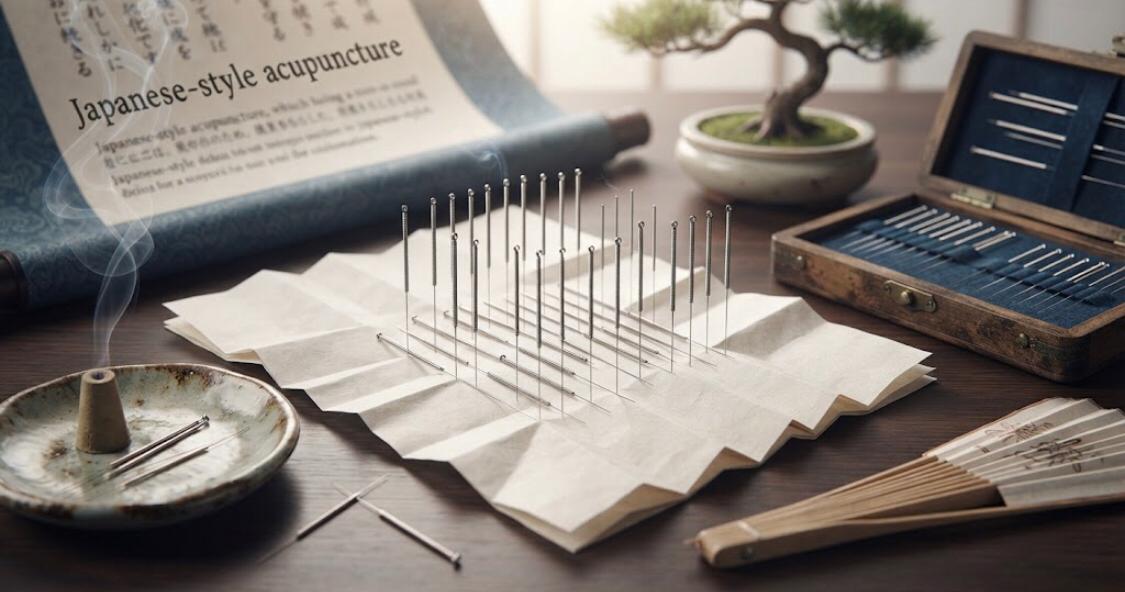
Pain that lingers after a workout, migraine patterns that derail a workweek, insomnia after a stressful season, nausea from chemotherapy these are the problems patients often bring to an acupuncture clinic after they have already tried rest, over-the-counter anti-inflammatory drugs, stretching, and “one more” specialist visit. Japanese-style acupuncture brings a gentle, highly tactile approach to those concerns: very fine needles, subtle abdominal palpation, responsive point selection, and treatment changes from session to session rather than a fixed formula.
For Florida residents searching for clinica Japanese acupuncture Sanki Health in Florida the practical questions are simple: Is acupuncture safe? What does the evidence support? How do you verify a practitioner? How does Sanki Health position its services? This guide answers those questions without pretending acupuncture is magic or that every person responds the same way.
What Japanese Acupuncture Means in 2026 Care
Acupuncture is a procedure in which thin, sterile needles stimulate specific points on the body. Traditional East Asian medicine describes these points as sites that regulate the flow of Qi or Ki through channels often called meridians. Modern biomedical research describes overlapping mechanisms through pain modulation, connective-tissue signaling, local blood flow, autonomic regulation, and central nervous system changes.
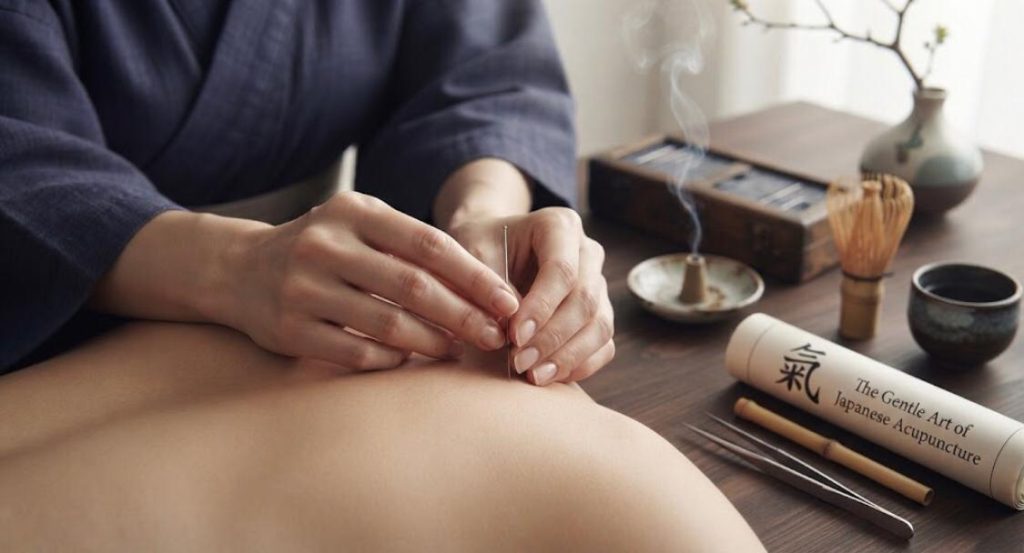
Japanese style care differs in emphasis rather than in basic safety requirements. Sessions may use subtler insertion depths, strong attention to palpation, fewer needles, and in some approaches very light stimulation guided by the patient’s immediate response. Chinese style treatment can involve deeper needling, more aggressive stimulation, cupping, gua sha, or herbal formulas depending on training and scope. Neither style exempts the practitioner from sterile technique, consent, documentation, and referral when red flags appear.

Core principles patients hear in the room
Most first-time visitors notice that the intake feels longer than expected. That is appropriate. A careful acupuncturist will ask about sleep, digestion, mood, menstrual or hormonal history when relevant, pain patterns, medications, prior injuries, diet, alcohol or cannabis use, and goals. Pulse and abdominal palpation are common in Japanese approaches, as is observation of tongue coating, skin, posture, gait, and breathing pattern.
Traditional language with physiological meaning
When a clinician says “Liver Qi stagnation,” a patient does not need to adopt metaphysical beliefs to benefit. In everyday clinical language, that phrase often maps to stress-related muscle guarding, shallow breathing, irritability, headaches, rib-side tension, jaw clenching, reflux, and poor recovery after exertion. When a clinician says “Spleen Qi deficiency,” it frequently points to fatigue, loose stools, low appetite, brain fog, and reduced exercise tolerance. Translating classical language into modern symptoms helps patients ask better questions and helps clinicians choose sensible co-management with primary care, orthopedics, physical therapy, oncology, or mental health.
Why treatment plans are individualized
Two people with “low back pain” can need different point selection if one has discogenic pain with numbness and the other has sacroiliac joint irritation after pregnancy. Japanese Acupuncture works best as part of a layered plan: diagnosis first, then movement or rehabilitation, sleep and stress support, medication review when indicated, and measurable goals such as pain scores, walking distance, sleep quality, headache days, or reduced rescue-medication reliance.
Evidence-Backed Uses and Realistic Limits
In 2026, the honest evidence position is neither dismissal nor uncritical enthusiasm. Acupuncture has the strongest support as an adjunct for certain pain conditions and some symptom control settings; evidence is weaker or mixed for many systemic diseases. For any condition that can mimic a dangerous process, diagnostic delay is the enemy.
Areas with comparatively supportive evidence
Current reviews and major clinical guidance commonly support acupuncture as a reasonable option for chronic low back pain, knee osteoarthritis, neck pain, some tension-type and migraine headache prevention, and chemotherapy-induced nausea and vomiting as part of standard antiemetic care. It may also help some patients with perioperative or postoperative nausea and certain postoperative pain scenarios. For migraine, best results usually combine trigger management, sleep regularity, exercise, and clinician-guided preventive or acute medication when needed.
| Condition | What acupuncture may contribute | Realistic boundary |
|---|---|---|
| Chronic low back or neck pain | Pain reduction, less muscle guarding, better function when paired with movement therapy | Numbness, weakness, bowel/bladder changes, fever, or trauma need medical evaluation first |
| Knee osteoarthritis | Short-term pain and function support for selected patients | Weight-bearing imaging and strengthening remain central; severe joint damage may need orthopedic input |
| Headache prevention | Fewer migraine or tension-headache days for some patients | Thunderclap headache, neurologic deficits, fever with stiff neck, or cancer/HIV history need urgent care |
| Chemotherapy nausea | Added relief within oncology protocols | Never replace oncology antiemetic standards without oncology approval |
| Stress-related tension | Downregulation, relaxation, sleep support | Panic, severe depression, or suicidality require licensed mental health assessment and crisis support |
Areas where claims should stay modest
Acupuncture is not established as a cure for cancer, autoimmune disease, infertility, epilepsy, bipolar disorder, or substance use disorder. It may reduce discomfort and improve coping while standard treatment proceeds, but it must not become a reason to postpone oncology, cardiology, neurology, surgery, or psychiatric care. Be cautious with any clinic promising “detox” of heavy metals, replacement of insulin, guaranteed fertility success, or reversal of structural disease. Look instead for measurable goals, clear referral criteria, and honest follow-up.
Mechanisms that make clinical sense
Researchers continue to study local adenosine release, endogenous opioid peptides, descending inhibitory pain pathways, segmental spinal modulation, vagal and autonomic effects, and changes in pain related brain networks. Microneedling-like connective-tissue stimulation around acupuncture points may signal fibroblast and mechanosensitive channels. The practical takeaway: acupuncture likely helps by calming overactive pain signaling and improving context for movement and recovery not by “resetting everything” overnight.
How I read progress in a clinic setting
In outpatient and home care style workflows, the metrics matter more than the mystique. A sensible tracking set includes a 0–10 pain scale, sleep quality, number of headache days, sitting tolerance, walking time, morning stiffness minutes, and medication changes. If a patient shows zero trend after four to six well delivered sessions, the plan should be revisited: wrong diagnosis, unrealistic target, medication side effects, technique mismatch, need for imaging, or referral to physical therapy may explain the stall better than “energy blockage.”
Florida Licensing, Safety, and Red Flags
Florida regulates acupuncture through the Department of Health. Before booking, verify the practitioner’s license using the official MQA license search and confirm the clinic name, address, and expiration status. Ask whether needles are sterile, single-use, and FDA-cleared; whether clean needle technique is followed; whether the practitioner carries professional liability coverage; and what happens if you feel faint, bruised, feverish, or unwell after treatment.
Safety screening before the first needle
A competent intake screens for anticoagulants such as warfarin, apixaban, rivaroxaban, or high dose fish oil and vitamin E regimens, because bruising risk rises. It reviews pregnancy status and history, because some points and abdominal/sacral techniques are handled conservatively in pregnancy. It asks about implanted devices if electroacupuncture is considered, metal allergy, seizure disorders, syncope, immune suppression, hepatitis, and skin infection. Many patients can receive treatment with simple adjustments; others need clearance from their physician.
Common side effects versus urgent problems
Mild soreness, small bruises, brief fatigue, or a “achy calm” after treatment are common and usually self-limited. Urgent problems are rare but serious: rapidly spreading redness, pus, fever, severe escalating pain, sudden weakness or speech trouble, airway symptoms, chest pain, or severe allergic reaction. Those require emergency assessment, not another acupuncture session. Electroacupuncture near the chest or across certain pathways in people with pacemakers or arrhythmias should be avoided unless cleared by the treating cardiologist.
Questions worth asking before you commit
Bring a concise list: What diagnosis are you treating? What is the plan for the next six sessions? What outcome tells us this is working? When would you refer me back to primary care, imaging, PT, or pain medicine? Are herbs or supplements being recommended, and how are they sourced and checked for interactions? Transparent answers signal a safer clinic than vague promises of “energy. While acupuncture sessions take place in person, Florida patients can also use telehealth consultations to discuss symptoms, review treatment progress, and plan ongoing care with Sanki Health.
San Ki Health: Services, Philosophy, and Smart Purchasing
Sanki Health functions as an acupuncture-centered practice whose stated focus is helping people restore. Maintain health by harmonizing the flow of vital energy “Qi” or “Ki”within the body. The clinic positions its care around extensive training with Chinese and Japanese acupuncture teachers, a massage therapy background. Integration of traditional and modern medicine. In practical terms for Florida patients, that philosophy should show up as attentive palpation, gentle needle technique, individualized point selection. Honest referral when a condition falls outside acupuncture scope.
The commercial side deserves the same clarity as the clinical side. Patients interested in Sanki Health should book an evaluation before buying products reviewing the clinic’s educational blog and any product guidance, asking which items are in-clinic only, and purchasing any herbs, topicals, massage aids, heat wraps, or wellness items only from licensed, verifiable distribution channels. If a recommended product is labeled as a drug or requires a prescription, it belongs in a pharmacy not in a wellness basket and you should acquire it through a Florida-licensed pharmacy verified through the Florida DOH MQA board portals, the FDA’s BeSafeRx program.
What to Expect Across a Typical Treatment Course
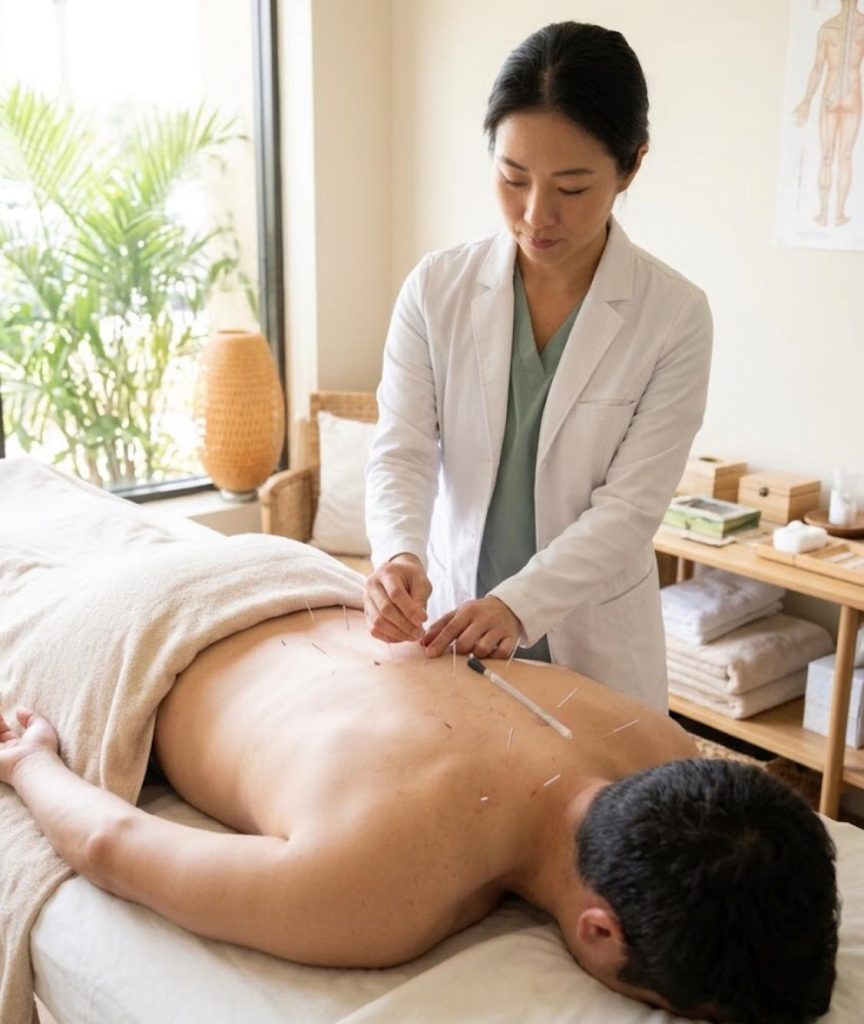
A first visit usually runs 60 to 90 minutes; follow-ups often run 30 to 60 minutes. Needles are inserted at distal points such as hands, lower legs, or feet, plus local points around pain when appropriate. Retained needles commonly stay in place 20 to 30 minutes while the patient rests in a dim room. Some people feel heaviness, warmth, or gentle pulsing; others feel almost nothing. Treatments may blend acupuncture with cupping, moxibustion when appropriate, electroacupuncture for select pain cases, tui na or massage, breath coaching, and home exercises.
Timeline and dosage
For chronic musculoskeletal pain, a common trial is one or two sessions weekly for four to eight weeks, then reassessment. Acute tension after a short-term trigger may respond faster; long-standing migraines or osteoarthritis usually need a fair trial before judging benefit. More sessions are not automatically better. If cost, travel, or time becomes the barrier, ask about tapering cadence, home-care exercises, and whether a short adjunct window with dry needling, physical therapy, or medication adjustment is appropriate.
How to prepare logistically
Eat a light meal beforehand, avoid arriving severely dehydrated, wear loose clothing, list medications and supplements, and note baseline pain or headache days. Do not fast aggressively on treatment day because dizziness is more likely. After treatment, stand up slowly and avoid heavy exercise or alcohol that evening if you feel lightheaded. Keep a one-week log; patterns beat impressions.
Safety Checklist Before Booking in Florida
- Verify the acupuncturist’s active Florida license through the Florida Department of Health MQA portal.
- Confirm sterile single-use needles, hand hygiene, consent forms, sharps disposal, and emergency procedures.
- Disclose anticoagulants, pregnancy, implants, pacemaker, severe allergy, immunosuppression, and recent surgery.
- Ask when the practitioner will refer you for red flags such as progressive neurologic loss or severe infection.
- Avoid cash-only “no license needed” offers, miracle cures, or clinics refusing to coordinate with your physician.
- Keep emergency symptoms out of the acupuncture chair: call 911 for chest pain, stroke signs, severe breathing difficulty, anaphylaxis, or uncontrolled bleeding.
Frequently Asked Questions About Sanki Health and Japanese Acupuncture
Is Japanese acupuncture in Florida safe for most healthy adults?
Yes, acupuncture is generally safe for many adults when performed by a Florida-licensed practitioner using sterile single-use needles. Minor bruising or brief soreness can happen, while severe infection or organ injury is rare and rises sharply with poor technique or unlicensed practice.
How many acupuncture sessions does Sanki Health-style care usually require?
Many pain-focused plans start with weekly or twice-weekly sessions for four to eight weeks, then reassess. If no measurable improvement appears by session four to six, the clinician should revisit diagnosis, technique, and referral options rather than simply booking indefinitely.
Can Japanese acupuncture replace my prescription medication or oncology care?
No, acupuncture should not replace prescribed medication, oncology treatment, insulin, anticoagulation, or emergency surgery. It is best used as an adjunct for compatible goals such as pain relief, nausea support, relaxation, or function always coordinated with your licensed medical team.
Can I book Sanki Health online and buy products from the clinic’s blog shop?
Yes, you can typically request an appointment through the clinic’s official website or phone line, and you may browse clinic blog guidance for self-care education, but treatment and products should follow a professional assessment. Any medication-like product requires a valid prescription and a Florida-licensed or properly verified pharmacy; general supplements should be checked for third-party quality and interactions before you acquire them or secure a supply.
When should I avoid or delay acupuncture?
Seek medical evaluation first if you have fever with stiff neck, sudden severe headache, weakness, uncontrolled bleeding, infected skin at treatment sites, severe allergic history, or unstable heart/lung disease. Pregnant patients, anticoagulated patients, pacemaker users, and people with known serious illness should disclose everything openly and get physician clearance when indicated.