Antibiotic Therapy and Integrative Acupuncture in 2026
At Sanki Health, our Japanese style acupuncture practice in Florida patients often arrive carrying a bottle of prescribed antibiotics and a list of unresolved concerns: stomach upset after each dose, skin photosensitivity during weekend beach visits, lingering fatigue even after infection symptoms have resolved, or anxiety about drug interactions with supplements we have been using together in treatment. The question I hear most often is not “Does this medicine work?” patients already know it does but “How do I get through this course safely and recover fully?”
Doxycycline is one of the most widely prescribed tetracycline-class antibiotics in outpatient medicine. It treats bacterial skin infections, acne vulgaris, rosacea, respiratory tract infections, certain sexually transmitted infections, Lyme disease, malaria prophylaxis, and dental abscesses with systemic involvement. Its broad spectrum, oral bioavailability, and generally favorable cost make it a cornerstone of primary care and dermatology prescribing. Yet the side effect profile gastrointestinal irritation, esophageal ulceration, photosensitivity, and drug-nutrient interactions means patients need practical guidance beyond the pharmacy label.
In 2026, prescribing patterns have shifted toward shorter courses, lower sub antimicrobial dosing for inflammatory conditions such as rosacea and periodontal disease, and greater attention to antibiotic stewardship. Acupuncture does not replace antibiotics for bacterial infection. What it does provide, within a coordinated care plan, is a structured, low risk support framework that helps patients tolerate medication side effects, manage stress related symptom flares, and rebuild daily function after illness.
How Tetracycline Class Antibiotics Work
Doxycycline binds reversibly to the 30S ribosomal subunit in bacteria, specifically the A-site of the 16S ribosomal RNA. This prevents aminoacyl-tRNA from docking, halting translation of bacterial mRNA into protein. Without protein synthesis, bacterial growth stalls. Because human ribosomes are 40S and 60S, the drug exhibits selective toxicity though not absolute, as we will see in the side effect profile.
Broad Spectrum Activity
Tetracyclines target both gram-positive and gram-negative aerobes and anaerobes, along with atypical organisms such as Chlamydia trachomatis, Mycoplasma pneumoniae, Rickettsia species, and Borrelia burgdorferi. This range explains Doxycycline’s versatility across dermatology, infectious disease, travel medicine, and dental care.
Sub-Antimicrobial Dosing for Anti-Inflammatory Effects
At doses of 20 to 40 mg daily well below antimicrobial thresholds Doxycycline inhibits matrix metalloproteinase (MMP) activity, neutrophil chemotaxis, and nitric oxide production. This anti-inflammatory mechanism underpins its use in rosacea, periodontitis, and recurrent aphthous ulcers without driving resistance. For our acupuncture patients managing chronic oral inflammation or facial rosacea, this distinction matters: low dose Doxycycline is acting as a modulator, not a bactericide.
Clinical Indications: Where Doxycycline Fits in 2026
Cellulitis, folliculitis, and MRSA-suspect community-acquired skin infections respond well to Doxycycline 100 mg twice daily. In Florida, where outdoor activity and warm humid weather increase skin exposure to bacteria and arthropod vectors, this is among the most common prescriptions we encounter in patient intake.
Doxycycline at 50 to 100 mg daily remains a guideline-supported option for moderate inflammatory acne when topical therapy is insufficient. Sub-antimicrobial dosing at 20 mg twice daily (40 mg modified-release) is the preferred protocol for papulopustular rosacea in 2026.
Respiratory and Atypical Pneumonia
Community-acquired pneumonia with suspicion of Mycoplasma, Chlamydophila, or Legionella species is a standard indication. Florida’s tourist-heavy populations and crowded indoor air-conditioning create favorable conditions for atypical respiratory pathogens.
Lyme disease prophylaxis after a qualifying tick bite and early Lyme treatment both rely on Doxycycline. Florida’s Gulf Coast and inland wooded areas harbor Ixodes ticks. Rocky Mountain spotted fever and ehrlichiosis also fall within its coverage.
Dental and Periodontal Applications
In dentistry, Doxycycline serves as an adjunct in chronic periodontitis management (sub-antimicrobial dosing alongside scaling and root planing) and occasionally as an alternative antibiotic for odontogenic infection in penicillin allergic patients. From our clinical perspective at Sanki Health, we regularly coordinate with dental providers when patients are on concurrent tetracycline therapy and developing oral mucosal sensitivity.
Sexually Transmitted Infections
Single dose or short course Doxycycline remains first line for chlamydial urethritis and cervicitis, and is a recommended option for syphilis in penicillin allergic patients. Post exposure prophylaxis (doxy-PEP) for bacterial STIs has expanded in 2026 recommendations for high risk populations.
Gastrointestinal Irritation and Esophageal Safety
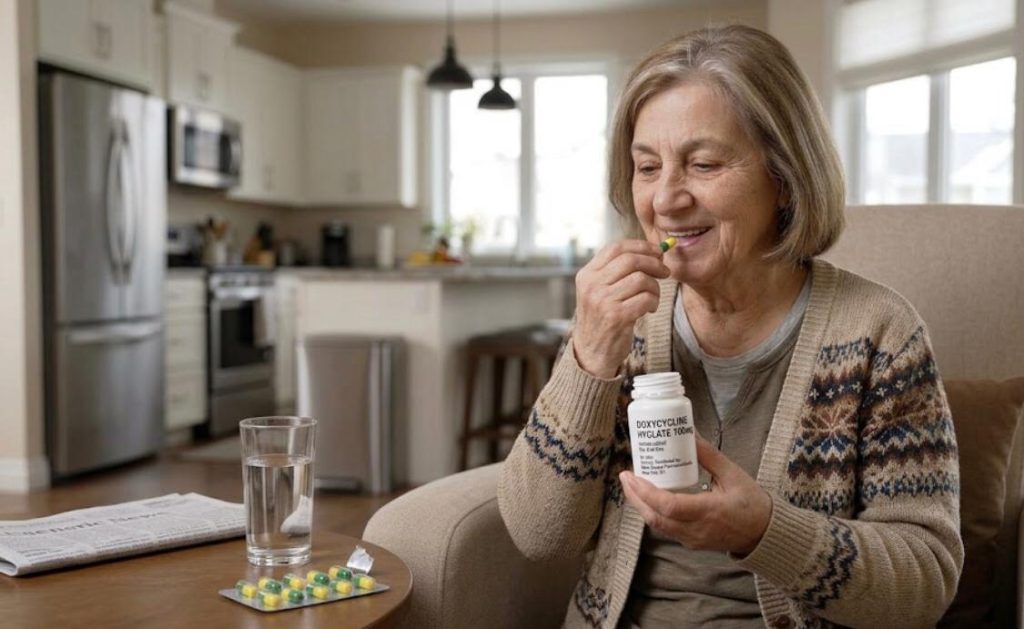
The most common complaint is upper gastrointestinal discomfort nausea, epigastric burning, or dyspepsia. Doxycycline is acidic and can cause pill-induced esophagitis if taken with insufficient water or while lying down. Two practical rules solve most of this:
- Take with a full glass of water and remain upright for at least 30 minutes.
- Never take at bedtime or just before a nap.
Photosensitivity: A Florida Specific Concern
Doxycycline increases skin sensitivity to ultraviolet radiation. In Florida, where UV indices routinely exceed 10 in summer months, patients on even short courses experience exaggerated sunburn, sometimes within minutes of direct exposure. This is not a minor inconvenience severe photosensitivity reactions can look like second-degree burns.
Daily broad-spectrum SPF 50, wide-brimmed hats, and avoiding midday outdoor activity (10 a.m. to 4 p.m.) are non-negotiable during treatment. Patients undergoing acupuncture on sun-exposed areas such as the forearm or lower leg should apply sunscreen before session.
Doxycycline is generally contraindicated during pregnancy and in children under eight years of age, because tetracyclines deposit in developing bone and tooth enamel, potentially causing permanent discoloration and enamel hypoplasia. Breastfeeding mothers should discuss risks and alternatives with their prescriber.
Monitoring During a Course
Patients taking doxycycline longer than two weeks should report: persistent headache with visual changes (possible pseudotumor cerebri), severe diarrhea (possible C. difficile colitis), jaundice, skin rash, or vaginal candidiasis. Short courses of seven to fourteen days rarely require laboratory monitoring in otherwise healthy adults.
Acupuncture as Integrative Support During Antibiotic Therapy
Acupuncture does not kill bacteria, reduce bacterial load, or replace antibiotic therapy for an active infection. Any practitioner suggesting otherwise is operating outside evidence-based boundaries. What acupuncture can do and what our Sanki Health patients report is address the secondary symptoms that antibiotics themselves do not manage: nausea, insomnia, anxiety about treatment, muscle tension from prolonged sitting during recovery, and stress related immune suppression.
GI Comfort Protocols
Needing points such as PC6 (Neiguan), ST36 (Zusanli), and SP6 (Sanyinjiao) has published evidence for nausea reduction. In our clinic, we use gentle Japanese style needling thinner needles, shallower insertion, and minimal manipulation to support patients who are already experiencing stomach sensitivity from oral medication. Sessions are typically 30 to 45 minutes, and patients often notice appetite improvement within one to two visits.
Stress, Sleep, and Immune Rebuilding
Chronic stress elevates cortisol, which suppresses lymphocyte proliferation and impairs wound healing. When a patient is fighting a skin infection or recovering from a dental procedure while simultaneously worrying about work deadlines, sleep quality suffers. Auricular acupuncture and scalp acupuncture have evidence supporting relaxation and sleep onset. Our protocol typically begins with a stress-focused session and transitions to immune-supportive points once acute infection symptoms resolve.
Realistic Expectations from Our Clinic
A composite scenario: a 42-year-old woman in Miami Beach presents after a dermatologist prescribed a 21-day Doxycycline course for moderate rosacea. She reports nausea after the first three doses and heightened sun sensitivity during a planned weekend trip. In her initial acupuncture session, we focus on PC6 and ST36 for gastric comfort, review her sunscreen and dosing schedule, and coordinate timing so her sessions fall mid-morning when UV exposure has been minimized. By her second session, she reports reduced nausea and better sleep. This is not a cure the dermatologist’s prescription is doing the antimicrobial work but the acupuncture visits give her a structured recovery routine she trusts.
Table: Antibiotic Treatment vs. Acupuncture Support
| Dimension | Doxycycline Antibiotic Therapy | Acupuncture Support at Sanki Health |
|---|---|---|
| Primary action | Inhibits bacterial protein synthesis | Modulates stress response, nausea, sleep |
| Effect on infection | Treats the underlying bacterial cause | No direct antimicrobial effect |
| Typical duration | 7 to 21 days (standard); longer for some conditions | 4 to 8 sessions during treatment and recovery |
| Side effects managed | N/A (source of side effects) | Addresses nausea, insomnia, tension |
| When to start | At diagnosis, as prescribed | Concurrently or during recovery phase |
| Limitation | Resistance, GI irritation, photosensitivity | Cannot replace antibiotics for acute infection |
Doxycycline: Clinical Role, Safety, and Verified Pharmacy Access
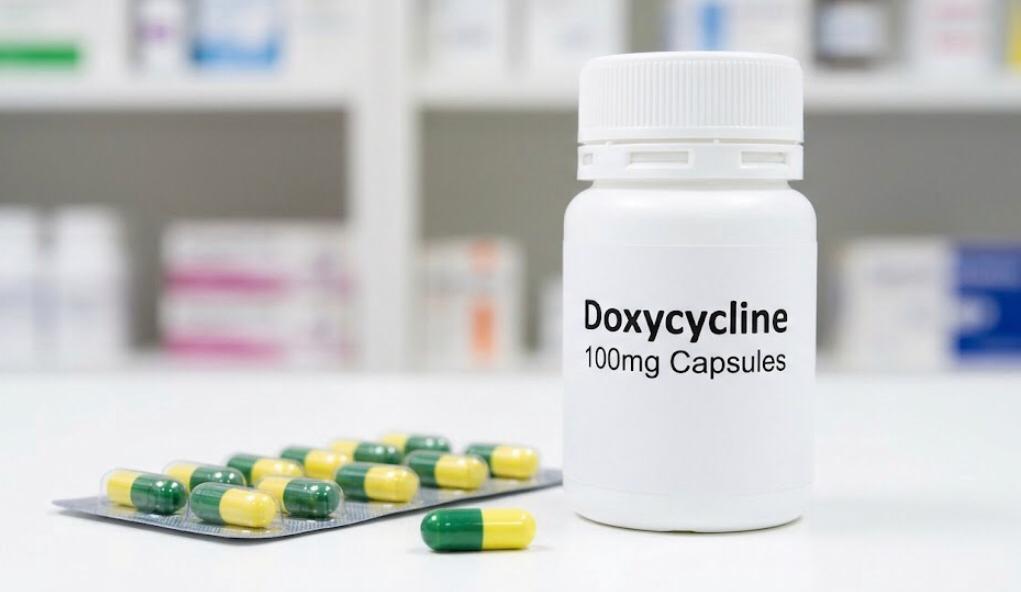
Doxycycline remains one of the most versatile oral antibiotics in outpatient medications products approved for bacterial skin infections, respiratory tract infections, acne, rosacea, malaria prophylaxis, tick-borne diseases, and certain sexually transmitted infections. Available as 50 mg and 100 mg tablets and capsules, plus 20 mg modified-release formulations for sub-antimicrobial anti-inflammatory dosing, Doxycycline achieves excellent oral bioavailability with or without food (though food may modestly reduce peak levels). At Sanki Health, we do not prescribe Doxycycline; when a patient arrives already taking it, our role is supportive coordination monitoring tolerance, reinforcing administration timing, and flagging any symptoms that warrant a call to the prescribing clinician.
Patients sometimes search for ways to buy Doxycycline online after being diagnosed but before filling a script, or while traveling in Florida and unable to reach a local pharmacy. The only safe and legal pathway involves a valid prescription from a licensed prescriber. You can purchase Doxycycline through a state-licensed, NABP-accredited pharmacy that verifies the prescription, provides pharmacist counseling, and displays clear licensure credentials. If you are looking to order Doxycycline online through a digital platform, confirm the pharmacy’s state license, physical U.S. address, and direct pharmacist phone line before sharing any medical or financial information.
Never get Doxycycline from websites offering antibiotics without a prescription, shipping from undisclosed foreign locations, or advertising at implausibly low prices counterfeit and substandard antibiotics have been documented to contain incorrect dosages, substituted active ingredients, or no drug at all. For patients in Florida seeking a verified source, Sanki Health can direct you to a legitimate pharmacy pathway such as buy Doxycycline where safety verification and pharmacist access are the starting point, not an afterthought. Always complete your prescribed course as directed, and report side effects to your prescriber before making any changes.
Antibiotic Stewardship and Resistance Awareness
Every additional day of antibiotic exposure selects for resistant organisms in the gut, skin, and oral microbiome. In 2026, stewardship guidelines from the CDC, the Infectious Diseases Society of America, and the American Academy of Dermatology consistently emphasize shortest effective duration. Doxycycline courses for acne and rosacea are often prolonged by design (weeks to months), but courses for acute infections should end at the prescribed date.
Probiotics and Microbiome Support
Evidence for probiotic supplementation during antibiotic therapy is mixed but generally favorable for reducing antibiotic-associated diarrhea. Saccharomyces boulardii and Lactobacillus species have the most supporting data. Discuss specific strains with your pharmacist or prescriber, particularly if immunocompromised.
Antibiotic residues reaching water systems and contributingto environmental resistance is an emerging public health concern. Proper disposal through a pharmacy take back program rather than flushing is a small but meaningful practice.
Frequently Asked Questions (F.A.Q.)
Most patients notice improvement within 48 to 72 hours of starting doxycycline for a bacterial skin infection, though the full prescribed course should be completed even after symptoms resolve.
Doxycycline can be taken with food to reduce nausea, but large amounts of dairy, calcium, or antacids at the same time can reduce drug absorption, so separate those by at least two to three hours.
No, acupuncture does not replace antibiotics for active bacterial infections; it serves as supportive care to manage side effects like nausea and stress during a prescribed treatment course.
You can safely buy prescription doxycycline through a state-licensed, NABP-accredited pharmacy that requires a valid prescription and provides pharmacist access.
Rare serious effects include esophageal ulcers, pseudotumor cerebri, and permanent tooth discoloration in children under eight, most common side effects such as nausea and photosensitivity resolve after stopping the medications.