
Major Depressive Disorder Care in 2026
Major Depressive Disorder, often shortened to MDD, is a medical condition that affects mood, thinking, sleep, appetite, energy, concentration, and physical health. It is not ordinary sadness, and it is not a personal weakness. Symptoms last at least two weeks, cause clear distress or functional impairment, and interfere with work, family life, self-care, or relationships.
At Sanki Health Acupuncture in Florida, and through our patient education work at https://sankihealth.com/blog/. I see how often depression arrives tangled with chronic pain, insomnia, digestive complaints, jaw tension, headaches, and long-standing stress. A patient may first ask for help sleeping or easing neck pain, then slowly describe losing interest in food, friends, work, and activities that once mattered. That pattern is common. Depression often speaks through the body before a person finds words for mood.
Care in 2026 is more measurement-based and collaborative than it was a decade ago. Clinicians track symptom scores over time, screen for bipolar disorder before starting antidepressants, review thyroid and metabolic factors, coordinate psychotherapy with medication when needed, and pay closer attention to suicide risk, trauma history, substance use, sleep apnea, and medication interactions.
Recognizing Major Depressive Disorder
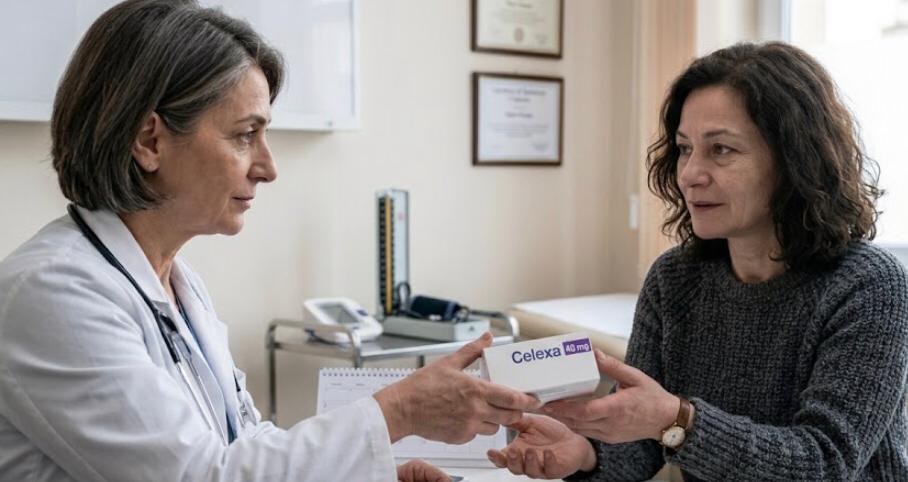
Two symptoms sit at the center of MDD: depressed mood most of the day, nearly every day, or markedly reduced interest or pleasure, called anhedonia. A person may feel empty rather than tearful. Others notice irritability, emotional numbness, or a flat voice. In my Florida clinic, patients often say, “I am not exactly sad, I just feel switched off.” That sentence deserves careful listening.
Depression can cause insomnia, early morning awakening, or sleeping much longer than usual. Appetite may fall sharply or increase, with weight change that was not intentional. Fatigue can feel heavy and physical, even after rest. Some patients describe moving or speaking more slowly; others feel restless and unable to settle. Building on our previous guide on Major Depressive Disorder, today we explore panic disorder and seizures and how care has evolved in 2026.
Trouble concentrating, indecisiveness, excessive guilt, and feelings of worthlessness are frequent. A missed email becomes proof, in the patient’s mind, that they are failing everyone. These thoughts are symptoms, not accurate character judgments.
Common Clinical Specifiers
Many people with MDD also have anxiety, tension, racing thoughts, and fear that something bad will happen. Melancholic features may include profound anhedonia, mood that does not lift with good news, early waking, appetite loss, and excessive guilt. Atypical features can include sleeping too much, increased appetite, heavy limbs, and strong sensitivity to rejection.
Depression during pregnancy or after childbirth needs prompt, specialized care and should never be dismissed as ordinary adjustment. Seasonal patterns involve repeated episodes at a similar time of year, often with low energy and oversleeping during darker months. Florida has abundant sunlight, yet seasonal and circadian disruption still occur, especially in people who work night shifts or spend most daylight hours indoors.
Conditions That Can Look Similar
Hypothyroidism, anemia, vitamin B12 deficiency, sleep apnea, chronic pain, alcohol use, cannabis withdrawal, stimulant use, and some medications can mimic or worsen depression. Grief can also resemble MDD. Grief usually comes in waves tied to the loss, while self-esteem is often preserved. MDD tends to be more persistent, with pervasive low mood, anhedonia, and self critical thinking.
Bipolar disorder must be screened before antidepressant treatment. A history of unusually elevated mood, reduced need for sleep, racing thoughts, impulsive spending, or increased goal directed activity changes the treatment plan and requires psychiatric input.
Why Depression Develops
MDD involves networks that regulate mood, reward, threat, sleep, and cognition. Genetics influence vulnerability, but genes do not act alone. Serotonin, norepinephrine, dopamine, glutamate, brain-derived neurotrophic factor, circadian rhythm, and inflammatory signaling all play roles. The older “chemical imbalance” slogan is too simple. A better explanation is that brain circuits become less flexible under genetic, hormonal, medical, and environmental pressure.
Long-term stress can alter the hypothalamic-pituitary-adrenal axis and cortisol rhythm. Sleep loss then amplifies pain sensitivity, irritability, and negative thinking. In practice, I often see this cycle in caregivers, first responders, health workers, and people recovering from injury: pain disrupts sleep, poor sleep lowers mood, low mood reduces activity, and reduced activity worsens pain and deconditioning. Do not get Celexa from sites offering it without a prescription, hiding their location, using spam pricing, or shipping unregulated foreign tablets. Counterfeit antidepressants may contain the wrong dose or contaminants, and bypassing medical review misses cardiac, bipolar, pregnancy, and drug-interaction screening. Ask the pharmacist about generic savings, 90-day supply rules, insurance, and manufacturer information rather than chasing unsafe discounts.
Life Events, Trauma, and Medical Illness
Bereavement, divorce, job loss, financial strain, childhood adversity, intimate partner violence, and medical illness can precipitate episodes. Heart disease, diabetes, autoimmune disease, chronic obstructive pulmonary disease, Parkinson disease, stroke, and chronic pain raise risk. Depression also makes medical self-care harder, which can worsen the underlying illness.
One composite example from our practice involved a 52-year-old Florida patient treated for persistent back pain and insomnia after a work injury. His pain scores improved slowly, but he stopped fishing, avoided friends, and woke at 3 a.m. daily. Coordinated referral for depression evaluation, behavioral activation, sleep treatment, and medication review helped more than focusing on pain alone. The lesson was plain: treating one symptom in isolation missed the larger clinical picture.
How Diagnosis Works in Real Practice
Diagnosis starts with a careful interview: symptom duration, prior episodes, mania screening, trauma, substance use, medical history, medications, family history, functioning, and safety. The PHQ-9 is widely used to measure severity and track change. A score is useful, but it does not make the diagnosis by itself.

At clinic Acupuncture we do not present acupuncture intake as a substitute for psychiatric diagnosis. If a patient reports persistent low mood, loss of interest, hopelessness, or suicidal thinking, referral and coordination with primary care or mental health clinicians is part of responsible care.
Medical Review and Selected Testing
Testing is targeted, not automatic. Depending on history and examination, clinicians may check thyroid function, complete blood count, metabolic panel, B12, folate, vitamin D, or sleep apnea risk. Medication review matters as well. Steroids, interferon, some hormonal treatments, sedatives, alcohol, and withdrawal states can affect mood.
Clinicians should ask directly about suicidal thoughts, intent, plans, access to lethal means, prior attempts, substance use, and protective factors. Asking does not plant the idea. A written safety plan, crisis contacts, means restriction, and close follow-up can reduce risk. Any immediate intent or inability to stay safe requires urgent intervention.
Treatment Options for Major Depressive Disorder
Treatment selection depends on severity, prior response, medical conditions, pregnancy status, patient preference, access, and safety. Mild depression may respond to psychotherapy, sleep correction, exercise, and active monitoring. Moderate to severe, recurrent, psychotic, or suicidal depression usually needs medication, psychotherapy, or both, with specialty care.
Cognitive behavioral therapy helps patients identify automatic negative thoughts, test them against evidence, rebuild routine, and increase rewarding activity. Interpersonal therapy focuses on grief, role transitions, conflict, and social support. Behavioral activation is practical and effective: schedule small, valued actions before motivation returns, rather than waiting to feel motivated first.
Problem-solving therapy, mindfulness-based cognitive therapy for relapse prevention, and trauma-focused therapies when trauma is present may also help. Online and telehealth therapy have expanded access safe buy Celexa online in Florida although privacy, licensure, and crisis procedures should be verified.
Daily Foundations That Support Recovery
Regular wake time, morning light, reduced late caffeine, and treatment of sleep apnea support mood regulation. Exercise has antidepressant effects for many patients, especially when started modestly. I often advise a ten-minute walk after breakfast rather than an ambitious gym plan that collapses after three days. Small repeated actions build confidence.
Alcohol may seem to help sleep, but it fragments sleep and can deepen depression. Cannabis helps some people feel calm briefly, yet heavy use can worsen motivation, anxiety, and sleep architecture. Nicotine withdrawal can affect mood, while smoking cessation improves long-term health. These topics need honesty, not lectures.
Celexa: Role, Safety, and Prescription Access
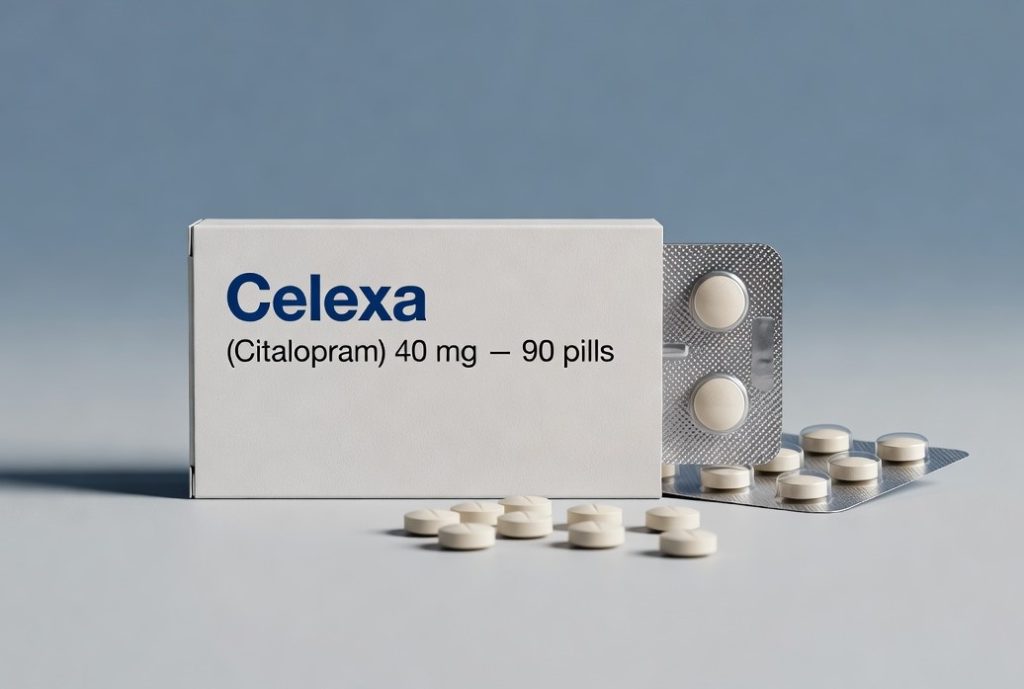
Celexa is the brand name for Citalopram, a selective serotonin reuptake inhibitor approved by the FDA for treatment of Major Depressive Disorder in adults. By blocking serotonin reuptake in the synaptic cleft, Citalopram increases serotonergic neurotransmission involved in mood, anxiety, sleep, and emotional regulation. A prescribing clinician considers prior antidepressant response, anxiety symptoms, medical history, cardiac risk, other medicines, age, liver function, and CYP2C19 metabolism. Celexa carries a boxed warning about increased suicidal thoughts and behaviors in children, adolescents, and young adults during early treatment
It also has a dose-dependent risk of QT interval prolongation, so dose limits and interaction checks matter, particularly for older adults and patients with heart disease in telehealth low potassium or magnesium, or use of other QT-prolonging drugs. Possible adverse effects include nausea, dry mouth, sweating, tremor, sleep change, sexual dysfunction, hyponatremia, bleeding risk with anticoagulants or NSAIDs, serotonin syndrome with interacting serotonergic drugs, and discontinuation symptoms if stopped suddenly. At Sanki Health Acupuncture, we do not prescribe Celexa; when a patient uses it, we coordinate with the prescriber, watch for reported side effects, and discourage unsupervised dose changes.
Patients sometimes ask how to buy Celexa online with privacy and lower cost. The safe route is narrow: buy prescription Celexa only after evaluation by a licensed prescriber, then order Celexa from a U.S. state-licensed, verified, accredited pharmacy that requires a valid prescription, lists a physical address and pharmacist contact, and dispenses FDA-approved brand or generic Citalopram.
Other Medication Classes
| Medication group | Examples discussed by prescribers | Useful clinical points | Common cautions |
|---|---|---|---|
| SSRIs | Sertraline, escitalopram, fluoxetine, paroxetine, citalopram | Common first-line options for MDD | Sexual effects, gastrointestinal effects, activation, interactions |
| SNRIs | Venlafaxine, duloxetine, desvenlafaxine | May help when pain syndromes coexist | Blood pressure, sweating, discontinuation symptoms |
| Atypical agents | Bupropion, mirtazapine, vortioxetine, trazodone for selected uses | Chosen for energy, sleep, appetite, or cognitive profiles | Seizure risk, sedation, weight change, specific interactions |
| Adjunctive treatments | Aripiprazole, brexpiprazole, quetiapine, lithium in specialist care | Used for inadequate response or specific features | Metabolic, movement, thyroid, kidney, and monitoring needs |
| Rapid-acting specialty options | Esketamine nasal spray; dextromethorphan-bupropion | Require careful eligibility and monitoring | Dissociation, blood pressure, abuse potential, clinic requirements |
Medication changes should be gradual and supervised. Stopping suddenly can cause dizziness, electric-shock sensations, irritability, insomnia, flu-like symptoms, and rebound anxiety. If benefit is limited after an adequate trial, prescribers may adjust dose, switch agents, add psychotherapy, or use augmentation. Pharmacogenomic testing may inform metabolism for some patients, but in 2026 it still does not replace clinical judgment.
Neuromodulation and Specialty Care
Transcranial magnetic stimulation uses magnetic pulses over prefrontal cortex and is an option for many adults who have not responded adequately to antidepressants. Electroconvulsive therapy remains highly effective for severe, psychotic, catatonic, treatment resistant, or nutritionally dangerous depression. Esketamine is used in certified settings for treatment resistant depression or acute suicidal symptoms in adults, alongside an oral antidepressant and observation after dosing.
Integrative Support at Sanki Health Acupuncture
Acupuncture is not a replacement for antidepressants, psychotherapy, crisis care, or psychiatric follow-up. Evidence for acupuncture as an adjunct in depression is mixed but suggests possible benefit for some patients, particularly when sleep disturbance, tension, chronic pain, and stress reactivity are prominent. In our Florida practice, patients most often value the quiet treatment setting, slower breathing, reduced muscle tension, and improved sleep routine.
We coordinate with the patient’s medical team, avoid advising medication changes, and screen for worsening mood. Integrative care should reduce burden, not add expensive promises. Nutrition, gentle movement, breathing practice, tai chi, and regular social contact can support recovery, but severe depression needs professional treatment without delay.
Florida Access, Telehealth, and Cost
Florida patients may use primary care, community mental health centers, university clinics, telepsychiatry, licensed teletherapy, Federally Qualified Health Centers, and crisis services. Verify that an online clinician is licensed for the state where you are physically located, provides follow-up, explains privacy practices, and has a crisis protocol. For products cost generic options patient assistance, GoodRx-type comparisons through the pharmacy, and whether the prescribed quantity matches insurance rules.
Family, Work, and Everyday Functioning
Depression affects households. Partners may interpret withdrawal as rejection; parents may feel guilt; coworkers may see missed deadlines without seeing illness. Short, direct communication helps: “My concentration and energy are impaired by depression. I am in treatment. I may need plans in writing and fewer late-night discussions while I recover.”
Employers do not need intimate details, but documentation for medical leave or accommodations may be appropriate through proper channels. Return to work often goes better with graded hours, clear priorities, and follow-up.
Parents with depression deserve support without shame. Children benefit from age-appropriate honesty, stable routines, and another trusted adult who can help during difficult weeks. Postpartum symptoms, thoughts of harming oneself or the baby, confusion, or inability to sleep require urgent clinical attention.
Frequently Asked Questions
What is the difference between sadness and Major Depressive Disorder?
Major Depressive Disorder is a clinical syndrome lasting at least two weeks with depressed mood or loss of interest plus other symptoms that impair daily functioning. Sadness is a normal emotion that usually shifts with circumstances and does not persistently disable concentration, sleep, appetite, energy, and self-worth.
How long does depression treatment usually take to work?
Psychotherapy and antidepressant medication usually need several weeks, with many medication trials judged after 4 to 8 weeks and therapy after 6 to 12 sessions. Early sleep or anxiety changes may appear sooner, while full functional recovery often takes longer and should be tracked with follow-up visits.
Can acupuncture replace antidepressant medication for depression?
Acupuncture cannot be relied on as a replacement for antidepressant medication, psychotherapy, or urgent psychiatric care in moderate to severe Major Depressive Disorder. Some patients use acupuncture as supportive care for sleep, pain, and stress while remaining under medical follow-up.
Where can I safely buy prescription Celexa online?
You can safely buy Celexa online only through a U.S.-licensed, accredited pharmacy that requires a valid prescription from a licensed prescriber and provides pharmacist access. Avoid any seller offering Celexa without medical evaluation, because citalopram requires screening for cardiac risk, bipolar disorder, interactions, and suicide risk.
When should depression be treated as an emergency?
Depression should be treated as an emergency when there is intent to act on suicidal thoughts, a specific plan, access to lethal means, psychosis, inability to care for basic needs, or thoughts of harming others. Call 911 for immediate danger or call/text 988 in the United States for crisis support.