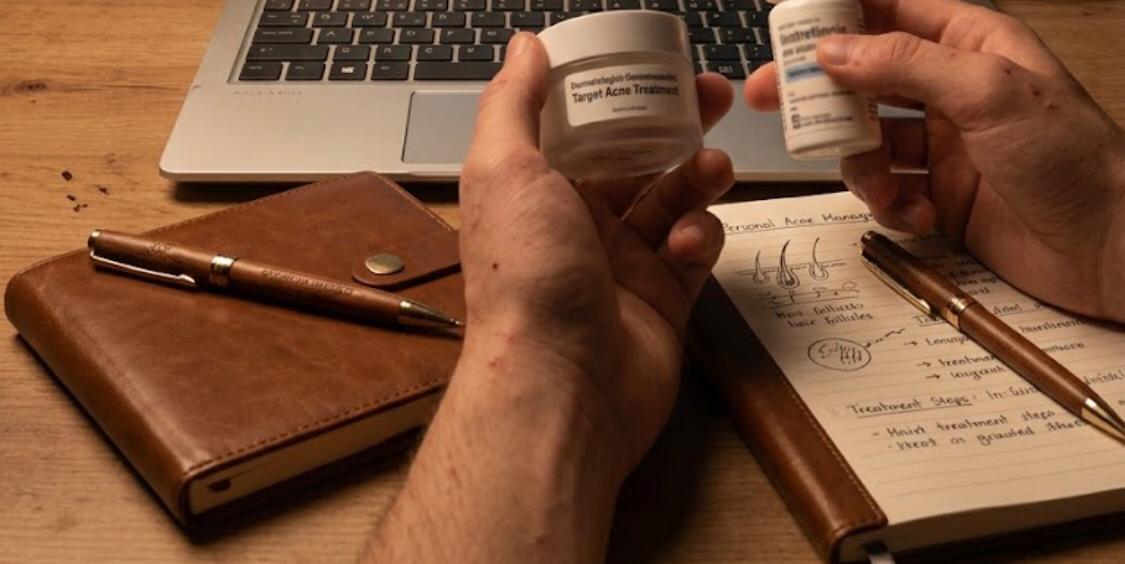
Severe acne can cause deep, painful breakouts, permanent scarring, and distress that affects daily life. It is more than a cosmetic concern, and it is not a sign of poor hygiene. When acne forms deep nodules, leaves scars, or does not respond to standard treatment, a dermatologist can assess its severity and discuss options including prescription medicines.
I can confirm the 2026 services, prescribing practices of clinic as Sankihealth / Japanese Acupuncture in Florida. Confirm details directly with the clinic and independently verify the treating professional’s Florida license. For severe acne, ask whether a qualified dermatology clinician evaluates and manages the condition, including any Isotretinoin monitoring and iPLEDGE requirements.
Treatment should match the type and extent of acne, the person’s health history, and their goals. This guide summarizes established U.S. recommendations, including the American Academy of Dermatology’s 2024 acne guideline. It does not claim that a new universal acne guideline was issued in 2026.
Severe Acne Care in 2026
Acne vulgaris develops when hair follicles and their oil-producing glands become plugged and inflamed. Severe acne often involves many inflammatory lesions, deep nodules, or lesions across the face, chest, or back. “Cystic acne” is a common term, although many lesions described as cysts are inflamed nodules rather than true cysts.
Severity is not determined by a lesion count alone. A dermatologist may also consider whether acne is causing scars, has not improved with appropriate treatment, or is having a significant effect on a person’s well-being. The AAD guideline recommends considering oral Accutane for severe acne, acne that is scarring or causing substantial psychosocial burden, and acne that has not responded adequately to standard treatment.
Nodules, scars, and emotional effects

Nodules are deep, firm, inflamed lesions that can be painful and slow to resolve. They can damage surrounding tissue and leave depressed or raised scars. Inflammation can also leave post-inflammatory hyperpigmentation flat dark marks that may last long after the acne lesion heals. These marks are more likely to linger in some people with darker skin tones.
Acne can affect confidence, social life, sleep, and mood. Those effects deserve attention as part of care, not dismissal as vanity. A person experiencing persistent low mood or anxiety can raise it with their clinician alongside the skin symptoms.
A rare, severe form called acne fulminans can develop abruptly, with painful ulcerated lesions and sometimes fever, joint pain, or feeling very unwell. Prompt medical assessment is needed. Sudden severe symptoms or fever warrant urgent care rather than an attempt to manage the eruption with new over the counter products.
Why Severe Acne Develops
Acne involves several processes within the pilosebaceous unit the hair follicle and its oil gland. Excess sebum, buildup of skin cells inside the follicle, activity and inflammation all contribute. Hormones, especially androgens, can increase oil production. Family history also plays a role.
Acne is not caused by being “dirty. Scrubbing hard can irritate skin and worsen discomfort. Puberty is a common time for acne to begin, but adults can develop acne too. Some medicines can trigger or worsen acne like eruptions; examples may include corticosteroids, testosterone, or lithium. A person should discuss a suspected medication effect with the prescriber rather than stopping a prescribed medicine on their own.
Diet, stress, and common misconceptions
Research suggests that a high-glycemic eating pattern may worsen acne for some people. Studies have also reported an association between some dairy products and acne, but that does not mean dairy causes acne in everyone. Diet changes are not a substitute for effective medical treatment, and restrictive diets can create other health problems.
Stress may aggravate acne for some people, but it is not the sole cause. Acne is not contagious, and washing more often does not clear the underlying follicular inflammation. Just as managing severe skin conditions requires modern, evidence-based guidelines rather than standard fixes, approaching clinical depression care demands an advanced understanding of neurobiology and personalized biomarker insights
How a Dermatologist Evaluates Severe Acne
Diagnosis is usually based on the skin examination, symptom history, previous treatments, and the presence of scarring or pigment changes. A clinician may ask when acne began, which areas are affected, what products or medicines have been tried, and whether lesions are painful or leaving scars.
Other conditions can resemble acne, including folliculitis, rosacea, perioral dermatitis, and hidradenitis suppurativa. Hormone testing is not necessary for everyone. A clinician may consider further assessment when acne occurs with signs such as irregular menstrual periods, excess facial or body hair, or other symptoms suggesting a hormonal condition.
Before starting Isotretinoin, a prescriber reviews medical history and potential interactions. The product labeling includes recommendations for pregnancy prevention and monitoring, as well as laboratory testing such as liver enzymes and blood lipids.
Bring a useful treatment history
At an appointment, it helps to bring a list or photos of:
- Prescription and nonprescription acne products already tried
- How often and how long each was used
- Any skin irritation or other side effects
- Medicines and supplements, including vitamin A
- Changes in acne, scarring, or mood over time
This information helps the clinician distinguish treatment failure from a product that was used too briefly, too rarely, or in a way that caused avoidable irritation.
Evidence Based Treatment Options

The AAD guideline supports treatments chosen to limit inflammation, reduce clogged pores, and prevent new lesions. A clinician may combine treatments, especially when acne is widespread or severe. Many acne treatments take weeks to show early improvement; a plan often needs follow-up and adjustment rather than frequent product changes.
Topical retinoids help prevent clogged follicles; benzoyl peroxide can reduce inflammation and bacterial activity. For many patients, a clinician may recommend a combination rather than relying on one product. Applying too much or layering several irritating products can cause redness, peeling, and burning without speeding improvement.
For more widespread inflammatory acne, an oral antibiotic may be considered alongside topical therapy. Antibiotics should not be the only acne treatment, and clinicians aim to limit unnecessary or prolonged use. Tetracycline antibiotics, including Doxycycline, require special review in pregnancy and should not be taken at the same time as Isotretinoin unless the prescriber gives specific direction; the combination can increase the risk of intracranial hypertension.
Hormonal options and follow up
For some patients, hormonal treatments such as certain combined oral contraceptives or spironolactone may be appropriate. They are not suitable for everyone and require a review of medical history, risks, and pregnancy considerations.
A practical plan includes a follow-up date and a way to judge progress. Fewer deep lesions, reduced pain, and no new scarring are useful outcomes not only whether the skin looks completely clear after a few weeks. Persistent nodules or new scars are reasons to contact the treating clinician rather than continuing the same ineffective routine indefinitely.
Isotretinoin and Accutane: Safe Prescription Access
Isotretinoin is a prescription oral retinoid used for severe acne in appropriate patients. Accutane is a name many people use when searching for Accutane, but the product dispensed in the United States may be a generic or another approved product. Check the prescription getting Isotretinoin online pharmacy label for the exact medicine.
What to know before treatment

The most serious risk is severe harm to a developing fetus. Accutane must not be used during pregnancy. In the United States, Isotretinoin is subject to the iPLEDGE Risk Evaluation and Mitigation Strategy (REMS). The program includes requirements intended to prevent fetal exposure. Requirements depend on a patient’s circumstances and current program rules; the prescriber and dispensing pharmacy should explain the steps that apply.
Common side effects include dry lips, dry skin, dry eyes, and nosebleeds. Accutane can also affect blood lipids and liver enzymes. The prescriber decides what monitoring is appropriate and when. Mood symptoms have been reported during treatment; patients should tell their prescriber about depression, major mood changes, or thoughts of self harm. Suicidal thoughts require urgent help.
Patients should tell the prescriber about all medicines and supplements. Isotretinoin should not be combined with vitamin A supplements or tetracycline antibiotics unless a clinician has specifically reviewed the situation. People taking Accutane should not donate blood during treatment or for at least one month afterward, and should never share their medicine.
Buying isotretinoin online in Florida
If a search for buy Accutane (Isotretinoin) online leads to a seller offering the medicine without a prescription or a way to complete required safety steps, do not use that site. Isotretinoin requires an authorized prescriber and the applicable REMS process. An online checkout cannot diagnose acne, decide whether Accutane is appropriate, or replace required monitoring.
To fill a valid prescription in Florida, use a pharmacy licensed to serve the state. Check the pharmacy’s license through Florida’s official health professional license verification resources. FDA BeSafeRx and the National Association of Boards of Pharmacy’s Safe Pharmacy resources can also help consumers assess online sellers. A legitimate pharmacy should require a prescription for purchasing cheap Accutane and provide a way to contact a pharmacist.
Acupuncture should not be presented as a substitute for dermatologist-led assessment or established treatment for severe nodular acne. Anyone choosing acupuncture for another reason should tell their medical clinician and avoid delaying evaluation for painful lesions, scarring, or rapidly worsening symptoms.
Daily Skin Care While Treating Acne
Use a gentle cleanser, a noncomedogenic moisturizer, and sunscreen that suits your skin. Avoid scrubbing, picking, and repeatedly switching products. Picking can increase inflammation, infection risk, dark marks, and scarring.
If a topical treatment irritates the skin, ask the prescriber or pharmacist how to adjust its use rather than adding several new products. Benzoyl peroxide may bleach fabric, so use white towels and bedding when practical. People using irritating acne treatments may find that moisturizer helps them stay consistent.
Dietary changes should be individualized. If someone suspects a food worsens acne, a brief, structured discussion with a clinician or registered dietitian is safer than cutting out multiple food groups. For pregnancy or plans to become pregnant, discuss acne products with a healthcare professional; oral isotretinoin must not be used during pregnancy, and topical retinoids are generally avoided as a precaution.
Frequently Asked Questions
What is considered severe acne?
Severe acne often includes deep nodules, widespread inflamed lesions, scarring, or acne that has not responded to appropriate standard treatment.
When should I see a dermatologist for acne?
Arrange an evaluation if acne is painful, leaving scars, widespread, or not improving with an appropriate treatment plan.
How long does acne treatment take to work?
Many acne treatments take several weeks to show improvement, and the full plan may take months; follow the prescriber’s instructions before changing or stopping treatment.
Can I buy Accutane online safely in Florida?
Accutane should be obtained only with a valid prescription through a licensed pharmacy and in compliance with applicable iPLEDGE requirements, avoid sellers offering it without those safeguards.
Is isotretinoin the same as Accutane?
Isotretinoin is the generic medicine name: Accutane is a familiar brand name people often use when referring to isotretinoin.